
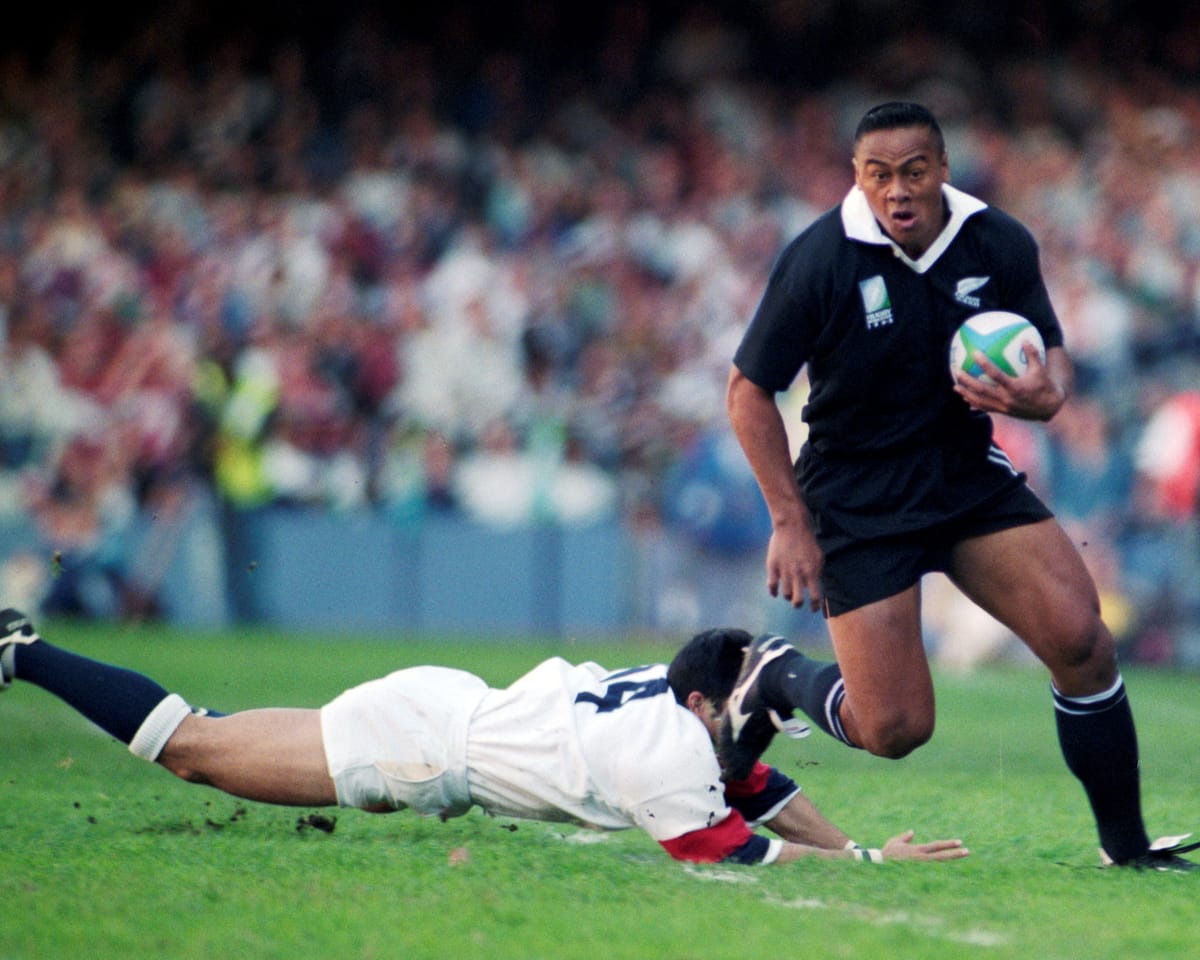
Filming a biography of Jonah Lomu was always destined to provoke mixed reactions. His widow, Nadene, pursued a failed legal bid to stop the production and refused to participate. Former England player Mike Catt is unlikely to feel enthusiastic about the project either. Decades on, the brutal clip of Lomu charging over Catt during the 1995 World Cup semi-final in Cape Town remains as shocking as the day it happened.
Fortunately, the creators of Lomu pressed on and have offered a new perspective on the most significant figure in rugby history. Lomu’s life extended far beyond his physical presence, and the documentary presents it in a manner that is reflective, emotional and deeply nostalgic. Former All Blacks doctor John Mayhew observed: “I’m disappointed he didn’t have the life he deserved to have. I wonder, even [with] the magnificent gifts he had, whether he was ever truly happy.”
That sentiment lingers long after viewing. The film combines striking archive material, candid interviews and a soundtrack rooted in traditional Tongan music. It also places the upcoming Test between the All Blacks and South Africa in a wider context. Few of New Zealand’s current players are likely to inspire a culturally important feature film in three decades. Those who witnessed Catt’s collision at Newlands understood only part of the story.
Even the All Blacks management of the era were unaware of the severity of Lomu’s illness, which led to a kidney transplant and ultimately contributed to his death from a heart attack in 2015 at the age of 40. Mayhew, interviewed shortly before his own death in April last year, withheld the scale of Lomu’s health problems from head coach John Hart for two years. Hart admitted he mistook the player’s struggles for laziness. “He was a rugby superstar playing in a body that had 70% capacity,” Hart reflected. “I just wonder, if he had been at 100%. You’d never see another like him.”
Behind the scenes, family and societal challenges shaped Lomu’s early years as the child of Tongan immigrants in the difficult neighbourhoods of South Auckland. The environment was notoriously harsh. Irish film-maker Gavin Fitzgerald, whose previous projects covered Conor McGregor and Liam Gallagher, partnered with New Zealand-based co-director Vea Mafile’o to explore these complex cultural dimensions. “I never felt I was just telling a sports story,” Fitzgerald explained. “Obviously, the rugby is a driving force of the narrative but, for me, the aim was always to get into the human side and tell something deeper that people could learn from.”
He noted that most accounts of Lomu’s background had been filtered through a western perspective: a tough kid from a rough area who found an outlet in rugby, fuelled by anger toward his father. Examining his Tongan heritage reveals a far more layered picture.
After reviewing hours of private family footage and interviews, Fitzgerald believes Lomu’s upbringing created ongoing tension. “There was this clash of cultures … that he wasn’t sometimes Tongan enough for the Tongans. And then on the other side of the coin, he’s basically being told to act more like a palangi [white guy]. So I think it was tough to be Jonah and that was a central theme in the film.”
He suggested that as Lomu grew older, these pressures intensified alongside his declining health. Fame brought its own difficulties. He possessed extraordinary ability but faced immense burdens.
Mafile’o, who grew up near Lomu’s Tongan family villages, sought to celebrate him accurately and counter the negative perceptions that had clouded his reputation. She said the film has brought relief to much of his family, who have found unexpected comfort in its release. “I saw members of his family at the weekend and it’s like a weight has been lifted off them. I think, from a cultural perspective, it’s released them from a lot of shame. I think even a lot of Tongans have been super-surprised at how Tongan he actually was. Thankfully the response has been really great. His mother and his brother are behind the film even though it is tough subject matter for them. It does show warts and all.”
Fitzgerald believes there are lessons for New Zealand’s rugby institutions. “I think he could have been protected a lot better by the institutions, given how much he gave to the game. New Zealand Rugby finally has representation from that community at board level but that took an awful long time. It was a very white institution.” Mafile’o hopes the film will shift perceptions further.
Revisiting the story of rugby’s giant brought down by health and financial struggles recalls the Elvis Presley biopic of 2022: a gifted figure with a kind nature drawn into the darker side of celebrity by those meant to protect him.
Exceptional sporting ability does not ensure a happy outcome. Lomu clearly enjoyed fast cars, yet few rugby players have experienced such a rapid rise to global fame. The film Lomu serves as a reminder of a player who transformed the game, leaving viewers to question whether such remarkable gifts ultimately proved too heavy a load to carry.
Read next
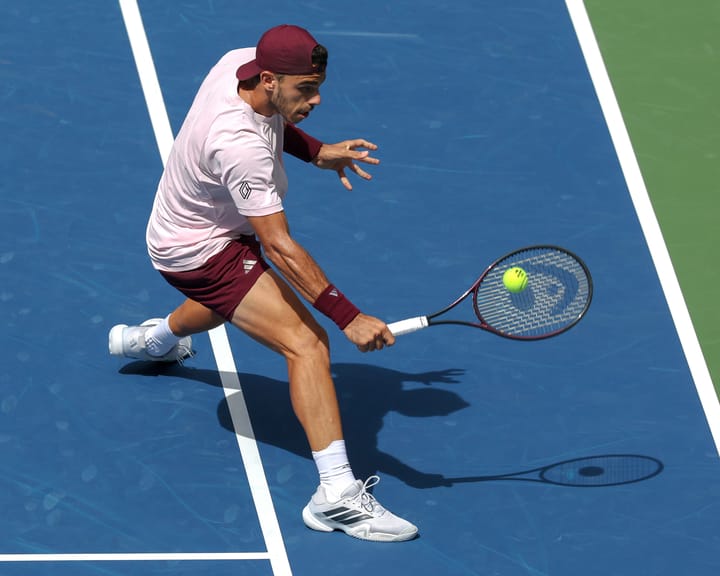
Cerundolo fights back from brink to upset home favorite Fritz at US Open
As his final, desperate backhand sailed far past the baseline inside Arthur Ashe Stadium, Taylor Fritz immediately buried his face in his hands, unable to conceal the anguish of surrendering such a promising position.
For much of the afternoon, Fritz was in control. He had built a two-sets-to-
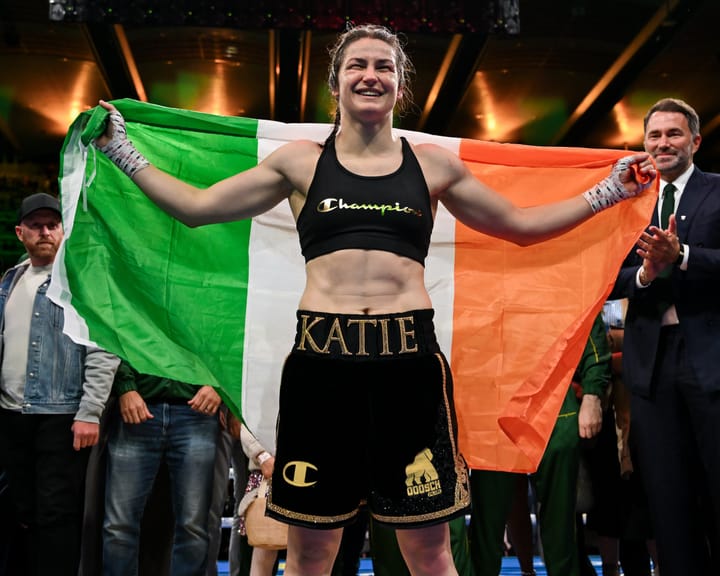
Katie Taylor exits boxing as undisputed champion after defeating Flora Pili
Katie Taylor closed out her distinguished career in fitting fashion, dispatching Flora Pili on points in front of an 80,000-strong crowd at Croke Park for a storybook farewell.
With the eyes of Ireland fixed on her, the nation's sporting icon became a three-time undisputed world
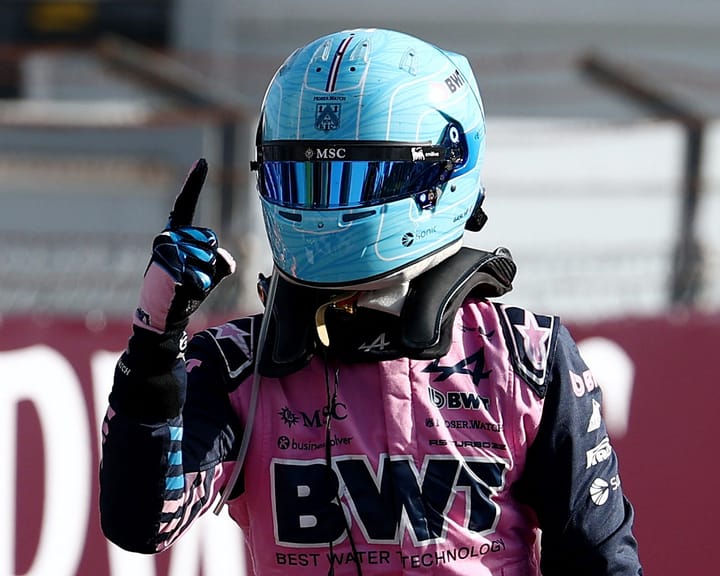
Pierre Gasly stuns F1 with unexpected pole position at Italian Grand Prix as Alpine shocks top teams
Pierre Gasly secured pole position at the Italian Grand Prix in Monza, achieving his first pole in Formula One and the first for his Alpine team. In a closely contested qualifying session, Gasly edged out Mercedes driver George Russell, who qualified second, and McLaren's Oscar Piastri in third.