
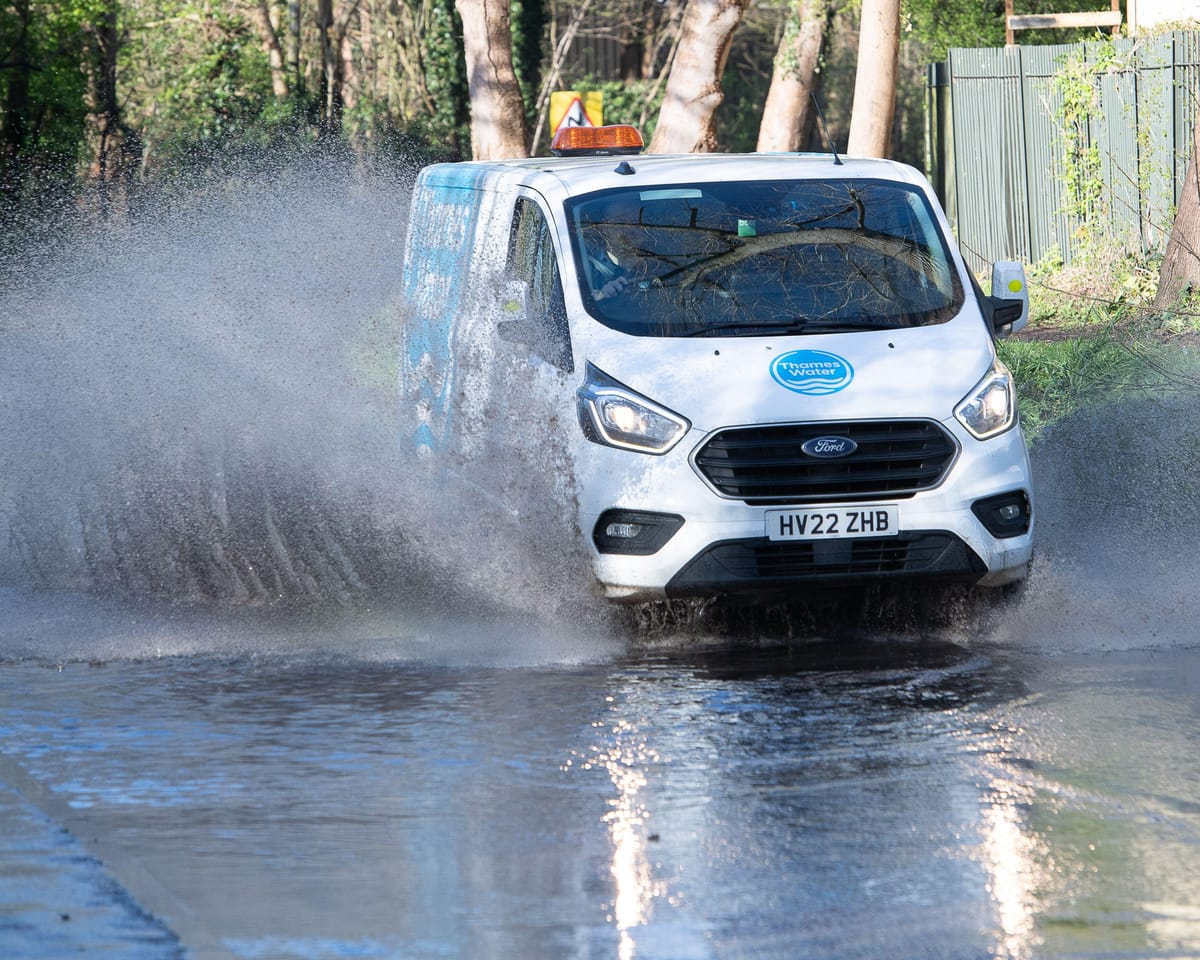
A new, more effective regulatory body should replace Ofwat, the Drinking Water Inspectorate, and the Environment Agency to reform a sector marred by controversies over sewage pollution and financial instability, according to a key review.
The government is likely to accept the proposal for England and Wales, outlined in the report led by Sir Jon Cunliffe, a former deputy governor of the Bank of England, which was published on Monday.
Critics argue that Ofwat has overseen weak infrastructure investment and poor financial oversight by water companies since the industry was privatized in 1989.
Thames Water, the largest water utility in the UK and a significant concern for authorities, is burdened with £20bn in debt and at risk of financial failure, which could require emergency government intervention.
The review proposed a new regulator with the authority to intervene in struggling water firms.
Speaking on BBC Radio 4’s Today Programme, Cunliffe stated that Ofwat has “not succeeded” in part because it “lacked sufficient authority for years.” He added, “Frankly, it was instructed by the government to enforce minimal oversight.”
On Monday, Environment Secretary Steve Reed confirmed he would support the report’s suggestion to establish an ombudsman with legal authority to reimburse customers affected by water supply failures, such as dry taps from pipe bursts or sewage contamination.
The report also noted that only 58 staff are responsible for ensuring drinking water safety due to restrictions on hiring and salaries within the public sector.
This limitation, the review stated, means the Drinking Water Inspectorate, as it currently operates, may struggle with future demands. Additionally, the document highlighted gaps in protection against water pollutants, including PFAs, microplastics, and other persistent chemicals, calling for legal reforms to eliminate them from water sources.
Read next

Jaguar Land Rover suppliers voice ‘everything is against us’ amid cutbacks
David Roberts, chair of Coventry-based Evtec, says the outlook for Britain’s automotive sector is grim, with “everything against us.” Evtec is a tier 1 supplier to Jaguar Land Rover, which this week announced 4,000 job cuts over two years despite chancellor John Healey’s attempt to talk

Europe’s fighter jet plans in disarray: what comes next?
When former ECB president and Italian PM Mario Draghi urged Europe to catch up economically with the US and China, defence collaboration was prescribed. No more should each nation build independent boats, tanks or jets; allies should share costs and technologies.
Europe stumbled at the first hurdle. German Chancellor Friedrich
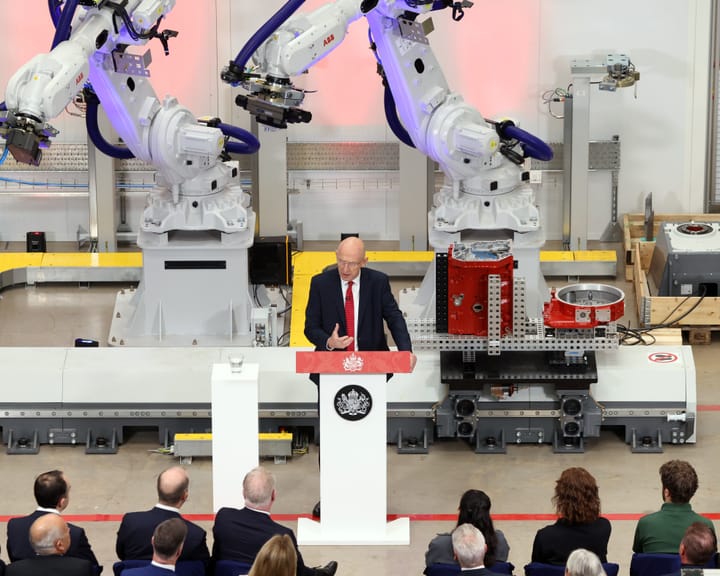
John Healey supports growth but insists Labour must be truthful about spending
John Healey has stated that his primary goal as chancellor will be to boost economic growth, while acknowledging that Labour must be straightforward about controlling public spending at next month's budget.
In his first major address since assuming the role in July, Healey said the leading focus of