
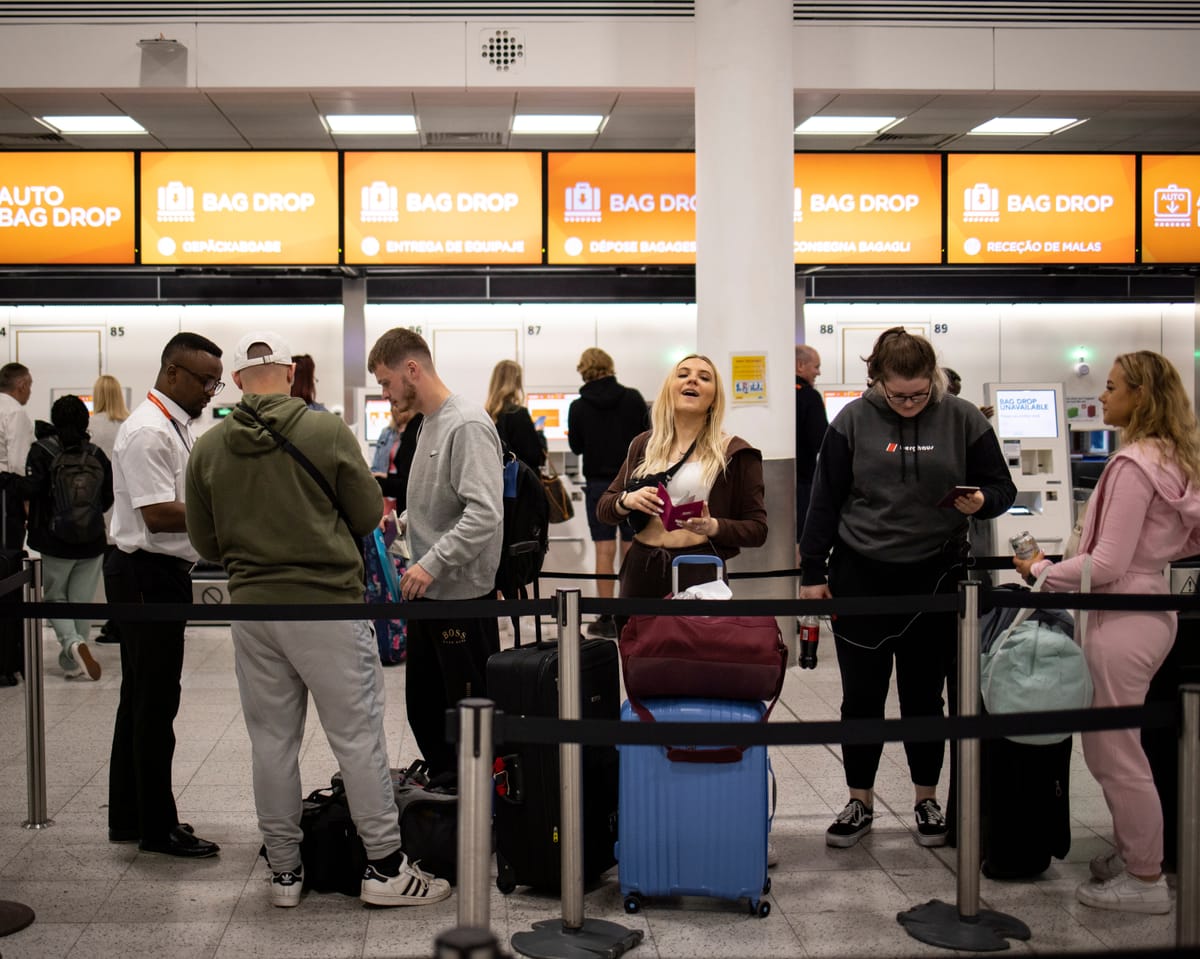
For many travelers, school breaks are beginning, and this weekend signals the start of the summer travel season. Airports in the UK anticipate their busiest days of 2025, with over 9,000 flights transporting around 1.7 million passengers overseas.
While sustainable travel and direct rail routes to warmer destinations are often discussed, most travelers still opt for flying.
After several years of disruptions, airlines and airports have expanded staffing and vowed to improve services. At the same time, baggage policies, security measures, passenger rights, and border regulations are being reviewed—but mistakes can still lead to costly consequences.
So what changes could make travel smoother this year—or result in a more complicated journey?
Are liquid restrictions still in place for carry-on bags?
Yes—despite advanced scanners being installed at many airports. Some locations relaxed the 100ml rule briefly in 2023 but later reinstated it. Currently, only Edinburgh and Birmingham allow containers up to two litres through security. However, these airports are exceptions—even if you carry larger toiletries on your outbound trip, you may not be able to bring them back through security elsewhere.
Transport official Heidi Alexander advised travelers to assume the limit is still in place: “Unless your airport states otherwise, you should assume the limit remains 100ml.”
The 100ml rule, introduced in 2006 after a foiled attack, restricts liquids, gels, and pastes in hand luggage.
New scanning technology also means passengers won’t need to remove laptops or electronics—a policy already in effect at many airports.
But restrictions vary even within airports. For instance, London Gatwick’s 19 security lanes have advanced scanners, removing the need to take out devices or place liquids in plastic bags—though the 100ml limit stays.
What about cabin baggage size?
Carry-on size has become a major issue at boarding gates, as rules differ by airline.
Regulations for larger carry-ons, like wheeled suitcases—now charged by many short-haul carriers—remain unchanged. But for smaller, personal items (typically stored under the seat), a new EU minimum size of 40cm x 30cm x 15cm has set a standard.
This could, in theory, allow frequent travelers to use one bag across all airlines.
Some carriers, such as easyJet, already permit larger under-seat bags. Ryanair is adjusting its maximum dimensions from 40 x 25 x 20cm to 40 x 30 x 20cm, with the change being implemented in the coming weeks.
But making a mistake can still lead to additional fees.
Read next
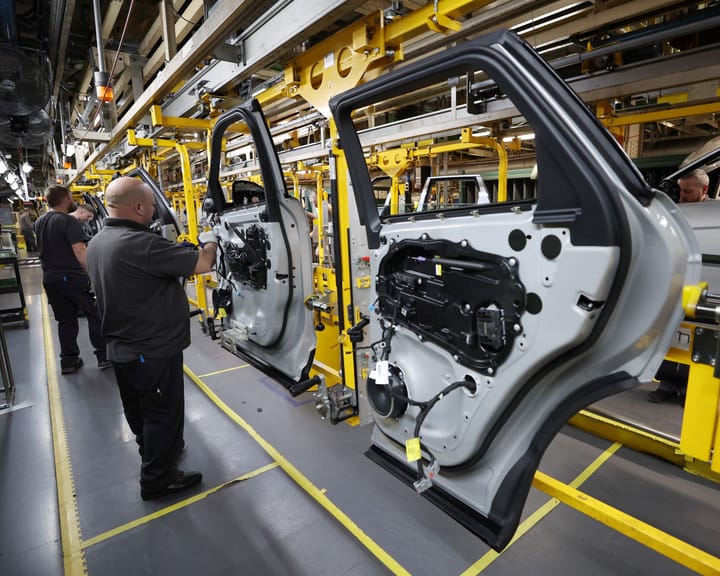
Jaguar Land Rover suppliers voice ‘everything is against us’ amid cutbacks
David Roberts, chair of Coventry-based Evtec, says the outlook for Britain’s automotive sector is grim, with “everything against us.” Evtec is a tier 1 supplier to Jaguar Land Rover, which this week announced 4,000 job cuts over two years despite chancellor John Healey’s attempt to talk
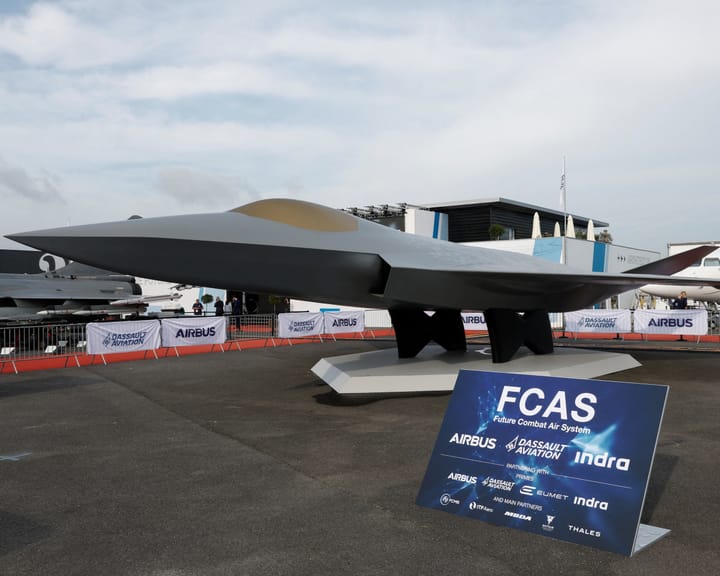
Europe’s fighter jet plans in disarray: what comes next?
When former ECB president and Italian PM Mario Draghi urged Europe to catch up economically with the US and China, defence collaboration was prescribed. No more should each nation build independent boats, tanks or jets; allies should share costs and technologies.
Europe stumbled at the first hurdle. German Chancellor Friedrich
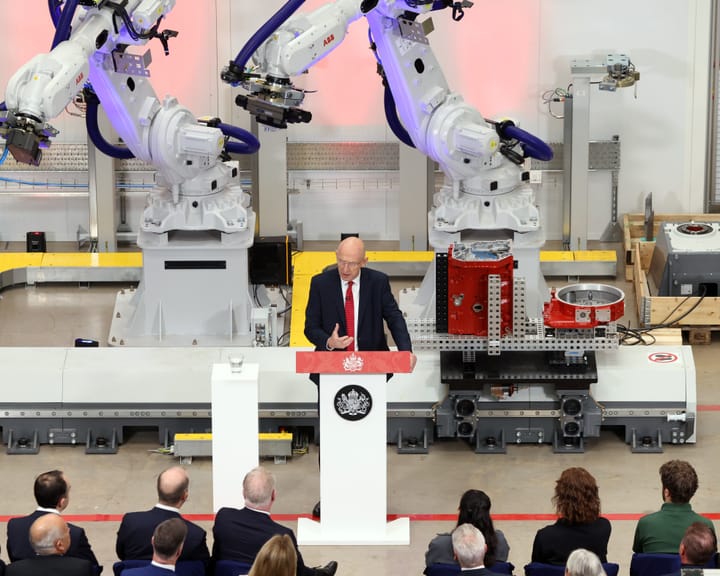
John Healey supports growth but insists Labour must be truthful about spending
John Healey has stated that his primary goal as chancellor will be to boost economic growth, while acknowledging that Labour must be straightforward about controlling public spending at next month's budget.
In his first major address since assuming the role in July, Healey said the leading focus of