

Satellite Loss Deals Blow to New Zealand’s Space Program
For researcher Sara Mikaloff-Fletcher, learning that a methane-monitoring satellite had gone silent in space last week left her feeling breathless.
The incident occurred just days before New Zealand was scheduled to assume control of the spacecraft, named MethaneSat, which was built to identify major methane emitters in the oil and gas sector.
“It was a difficult moment in my career,” said Mikaloff-Fletcher, who leads New Zealand’s role in the mission from Wellington. “Until a few days before, I had expected this would be a fully operational mission lasting several years.”
The satellite represented New Zealand’s first publicly funded space venture. However, the project had faced numerous setbacks, and officials recently confirmed that after just 15 months in orbit, the satellite lost contact with Earth and is likely beyond recovery.
The failure dealt a significant setback to the country’s emerging publicly funded space initiatives. New Zealand initially contributed NZ$29 million to MethaneSat, a project led by the U.S.-based non-profit Environmental Defense Fund (EDF), with additional funding from other international organizations.
MethaneSat’s primary objective was to monitor methane leaks from global oil and gas operations. In New Zealand, Mikaloff-Fletcher headed a parallel study to determine whether the satellite could also detect methane emissions from agriculture, which contributes to nearly half of the nation’s greenhouse gas output due to livestock.
The project had been in development for years, though some experts questioned New Zealand’s participation. The government committed funding in 2019, but the satellite’s launch was postponed until March 2024. Nearly NZ$12 million was used to establish a mission control center at Rocket Lab, a private aerospace firm with operations in New Zealand and the U.S.
The University of Auckland was expected to assume control last year, but technical issues caused further delays. These included the satellite entering safe mode due to intense solar activity and thruster malfunctions. The university never secured full operational control before the satellite ceased communication on 20 June. By then, New Zealand’s total investment had climbed to NZ$32 million, according to the New Zealand Space Agency, due to additional funds allocated for operational support.
Judith Collins, the country’s space minister, declined to comment on the satellite’s loss. Andrew Johnson, deputy head of the New Zealand Space Agency, called it “clearly a disappointing development.”
However, Johnson noted that participation in the mission had advanced New Zealand’s space expertise, and the mission control center at the University of Auckland’s Te Pūnaha Ātea Space Institute will remain operational for future projects.
Read next

Bolivia Probes Ex-President Evo Morales for Suspected Involvement in 2009 Killings
The Bolivian attorney general has initiated an investigation into former leftist president Evo Morales, citing allegations of his involvement in the murder and torture of European nationals in 2009.
In 2009, police conducted a raid on a Santa Cruz hotel, resulting in the deaths of Eduardo Rózsa Flores, a Bolivian-

Argentina Closes Iguazu Falls Temporarily Due to El Niño-Induced Water Surge
Heavy rainfall driven by a potent El Niño weather pattern temporarily led Argentinian authorities to close tourist access to the renowned Iguazu Falls. The closure occurred due to concerns that rising water levels might cause the river to overflow its banks.
On Monday, national park officials implemented this precautionary measure
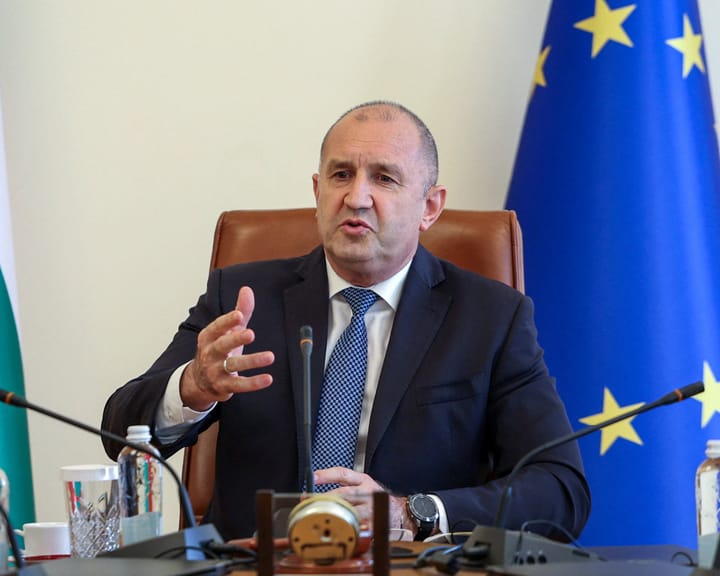
Mysterious Drones Strike Two Vessels Near Bulgarian Coast – Europe Live
Morning Update: Two Ships Targeted by Drones Off Bulgarian Coast
This morning, two ships in the Black Sea near Bulgaria were struck by drones of unknown origin. The attack led to the sinking of one vessel and initiated emergency rescue operations, as reported by Bulgarian Prime Minister Rumen Radev. Rescue