
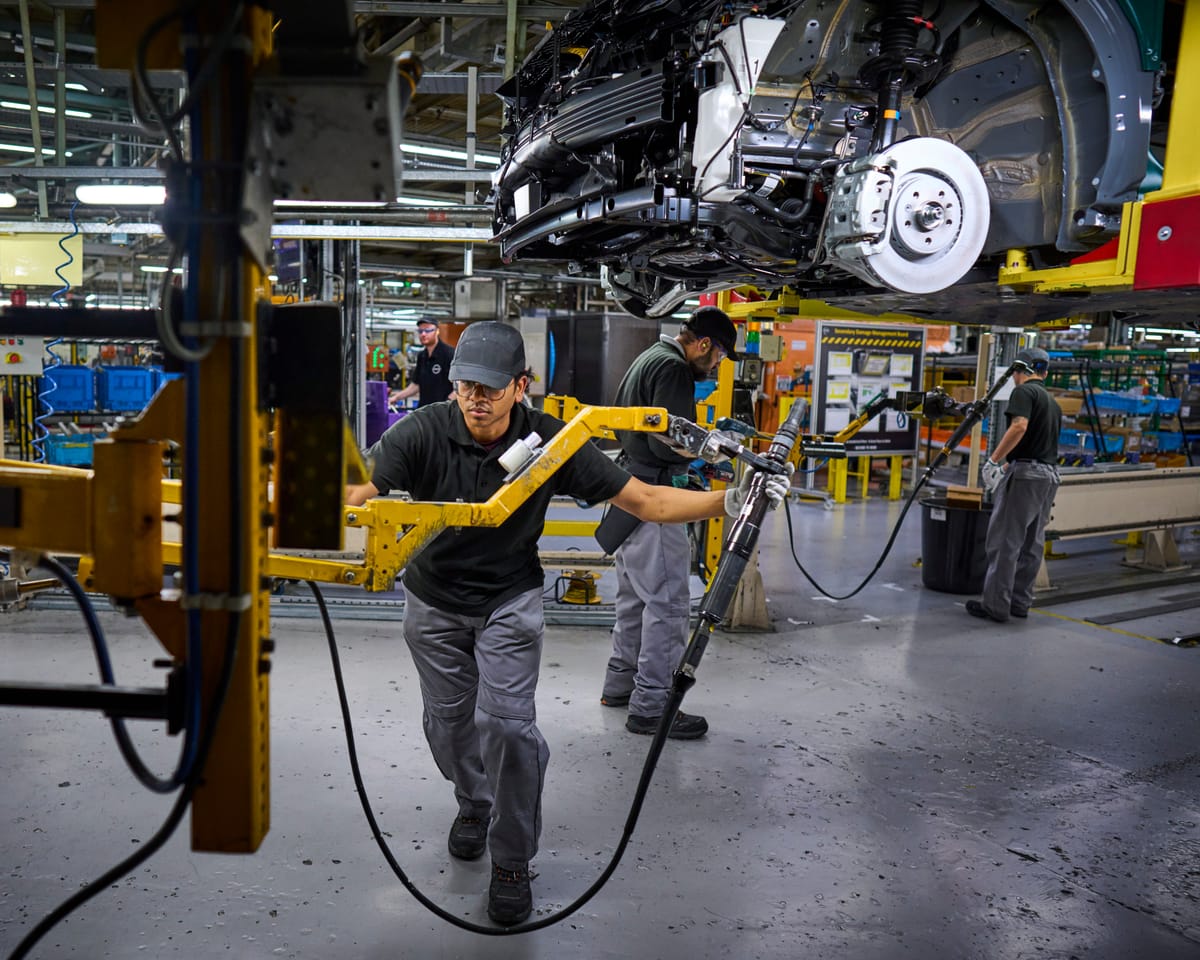
Nissan has warned that it may have to shut its Sunderland plant if the United Kingdom is not fully covered by the EU’s new “Made in Europe” manufacturing framework.
The UK automotive trade body also expressed “grave concern” that the proposals could harm the roughly £70 billion a year of cross‑channel trade.
Under the EU plan, public funding intended to accelerate electric‑vehicle development would be limited to EVs produced in European facilities. The scheme, presented by competition commissioner Stéphane Séjourné on Wednesday, is called the Industrial Accelerator Act (IAA) and is aimed at shielding the bloc from low‑cost competition from China.
Reports on Thursday said Nissan has privately told the British government that the measures could force a closure if they become law. An industry executive told the Financial Times that Nissan faces “an existential threat” if it is “cut off from EU incentives”.
Sunderland is the UK’s largest car factory, employing about 6 000 people and capable of building up to 600 000 vehicles annually, though it is currently running well below capacity because of weak demand.
The UK car sector argued that any effort to give priority to EU‑made products in the push for greener technology, including electric cars, must also encompass reliable partners in Britain.
Mike Hawes, chief executive of the Society of Motor Manufacturers and Traders – the principal UK automotive lobby – said: “The UK automotive sector is deeply worried by the ‘Made in Europe’ provisions set out in the European Commission’s Industrial Accelerator Act. As drafted, they would discriminate against UK‑made vehicles and parts, jeopardising a trading relationship worth almost £70 billion each year.”
He added that the IAA would “effectively place UK manufacturers at a systemic competitive disadvantage in the EU market” and that the draft could “contravene the EU‑UK trade‑co‑operation agreement – the Brexit deal”.
Hawes urged the British government and its European counterparts to cooperate urgently to “resolve the situation” by granting the UK auto sector “full trusted‑partner status”.
A government spokesperson described the UK as “a close and trusted European partner, committed to shared security and economic cooperation” and said it seeks to “work together as like‑minded partners to strengthen growth, resilience and economic security”.
Business secretary Peter Kyle travelled to Brussels last week to argue for the UK’s inclusion as a full partner in the ‘Made in Europe’ scheme, though he did not meet Séjourné, the architect of the plan.
The commissioner stated on Wednesday that third‑party nations would not be excluded if they have a trade agreement with the EU, but that could change if they adopt measures that favour domestic industries, such as “buy‑Canadian” or “buy‑American” policies.
Prof Simone Tagliapietra, senior fellow at the Brugel Institute, warned that the proposals risk fragmenting the European automotive market and called for swift dialogue to avoid unintended trade barriers.
Read next
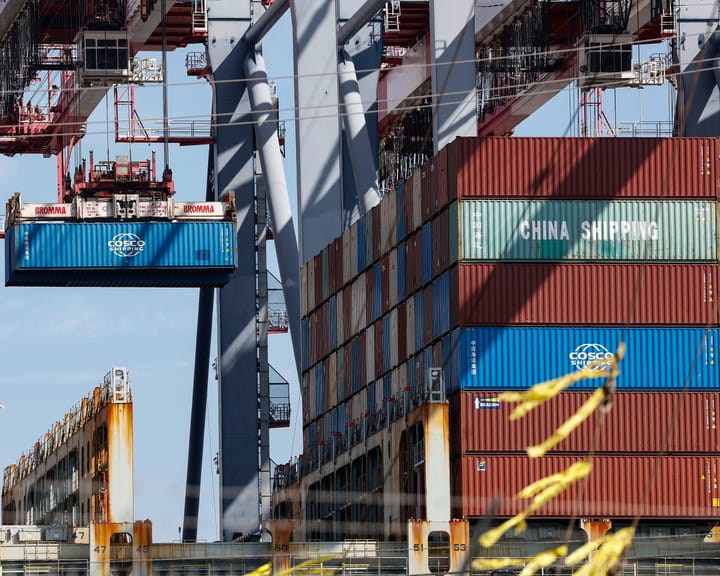
U.S. judge mandates refunds exceeding $130 billion for illegal Trump tariffs
A U.S. trade‑court judge on Wednesday directed the government to start issuing refunds—potentially amounting to billions of dollars—to importers who had paid duties that the Supreme Court ruled last month were collected unlawfully. Richard Eaton, a judge of the United States Court of International Trade in
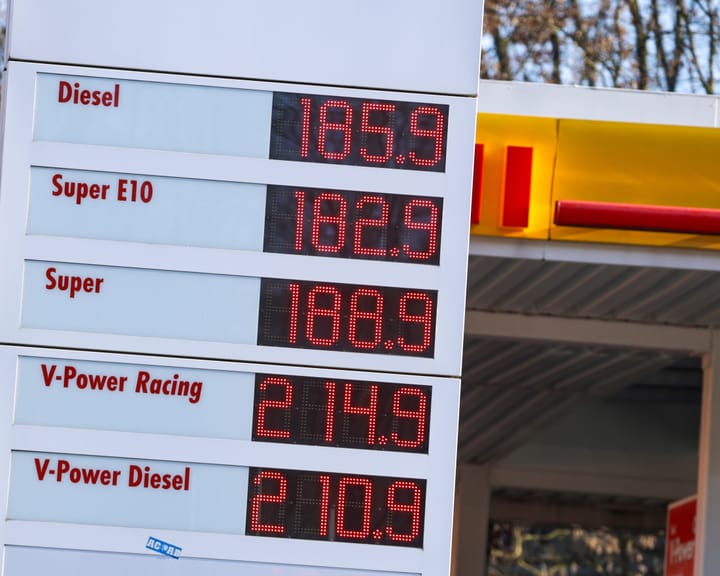
Oil Prices Climb Amid Middle East Tensions, While Asian Stock Markets Rebound
Asian equity markets have recovered after several days of steep declines linked to the Middle‑East conflict, while oil and gas prices have kept rising as supply chains stay strained.
South Korea’s KOSPI, which suffered a record 12 % drop on Tuesday, jumped nearly 10 % on Thursday, and Japan’s
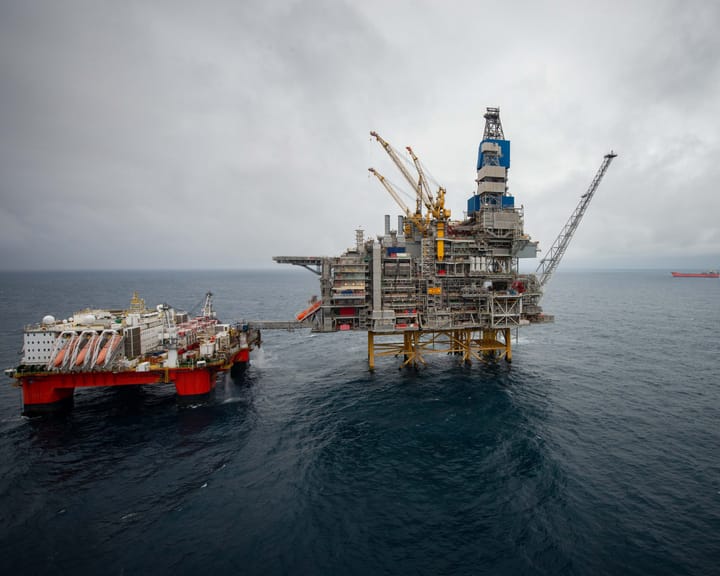
UK oil company hit with £13 million fine for repeatedly issuing inaccurate financial results.
John Wood Group has received a penalty of almost £13 million for repeatedly issuing erroneous financial statements.
The FTSE‑listed oil and engineering firm, slated for acquisition by a Dubai‑based competitor, has earlier acknowledged that “cultural failings” caused data to be withheld from auditors.
On Wednesday, the Financial Conduct