
Norway Signs £10bn Deal for UK-Built Anti-Submarine Warships
Norway has finalized a £10bn agreement to acquire advanced anti-submarine warships constructed in the UK, as both nations prepare for joint operations in northern Europe amid rising Russian military activity.
The Ministry of Defence (MoD) stated that the contract for Type 26 frigates represents the largest-ever warship export deal for the UK and Norway's most significant defence purchase. The project is expected to provide a £10bn economic boost, sustaining around 4,000 jobs across the UK into the 2030s.
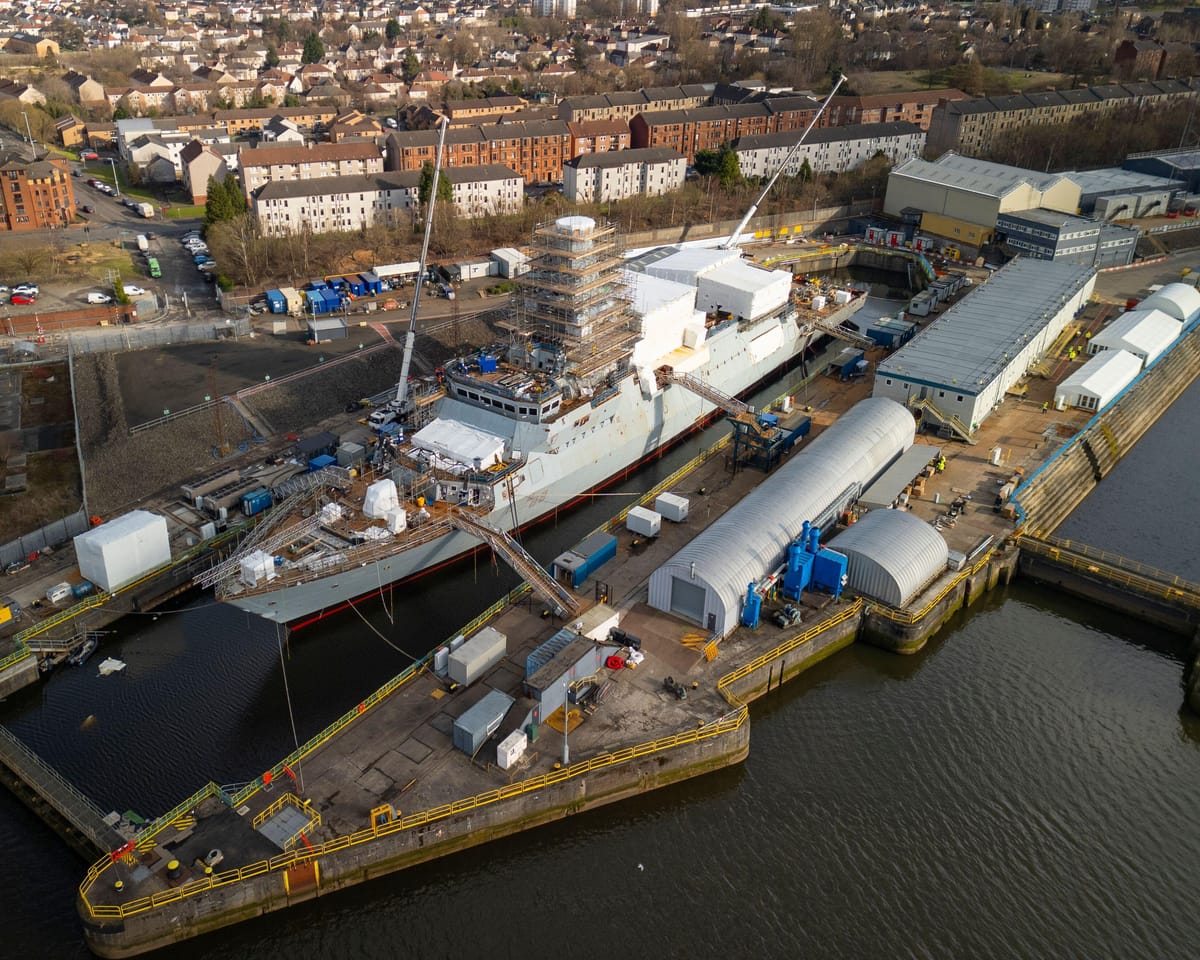
BAE Systems' shipyard in Govan, Glasgow—where 2,000 workers are currently building eight of these warships for the Royal Navy—will handle production.
"This agreement is central to our priorities—generating employment, boosting economic growth, and ensuring national security," said UK Prime Minister Keir Starmer. "The export of these cutting-edge frigates will secure well-paid jobs nationwide, from apprentices to skilled engineers."
The programme is projected to benefit 432 businesses, including 103 in Scotland, 47 in northwest England, and 35 in the West Midlands.
The deal also reinforces long-term cooperation between the UK and Norway, with a combined fleet of 13 frigates set to operate together in northern Europe. Eight of these will be British, while Norway will contribute at least five. The alliance aims to strengthen NATO's northern defences.
"This historic agreement enhances our strategic partnership," said Defence Secretary John Healey. "Alongside Norway, we will train, operate, and, if needed, defend together. Our joint naval operations will lead in NATO, deploying superior frigates in the North Atlantic to counter Russian submarines, secure vital infrastructure, and protect both nations."
Last year, security concerns grew after incidents involving the Baltic gas pipeline and undersea internet cables between Finland and Estonia.
Norway was the sole nation to participate fully in the UK’s carrier strike group deployment this year and collaborates with the UK and NATO to safeguard undersea infrastructure in northern Europe.
"Norway and the UK are close allies with shared security interests," said Norwegian Prime Minister Jonas Gahr Støre. "Partnering with the UK on these frigates is the right choice for our defence needs."
Scottish Secretary Ian Murray highlighted the deal as proof of Scotland’s shipbuilding excellence and a significant benefit for the country.
The Type 26 frigate is equipped with advanced weaponry, sensors, and communication systems, ensuring its capability for future upgrades.
Read next
Jaguar Land Rover suppliers voice ‘everything is against us’ amid cutbacks
David Roberts, chair of Coventry-based Evtec, says the outlook for Britain’s automotive sector is grim, with “everything against us.” Evtec is a tier 1 supplier to Jaguar Land Rover, which this week announced 4,000 job cuts over two years despite chancellor John Healey’s attempt to talk
Europe’s fighter jet plans in disarray: what comes next?
When former ECB president and Italian PM Mario Draghi urged Europe to catch up economically with the US and China, defence collaboration was prescribed. No more should each nation build independent boats, tanks or jets; allies should share costs and technologies.
Europe stumbled at the first hurdle. German Chancellor Friedrich
John Healey supports growth but insists Labour must be truthful about spending
John Healey has stated that his primary goal as chancellor will be to boost economic growth, while acknowledging that Labour must be straightforward about controlling public spending at next month's budget.
In his first major address since assuming the role in July, Healey said the leading focus of