
The debate over whether to maintain, reduce, or eliminate Norway’s wealth tax has dominated discussions ahead of the upcoming general election. As citizens prepare to vote on Monday, the country is embroiled in a heated national debate that is unlikely to fade regardless of the election outcome.
In an economy significantly smaller than Britain’s, the tax generates roughly 32 billion kroner (£2.4 billion). If scaled to the UK’s GDP, similar policies could yield over £17 billion—a substantial sum in fiscal terms. Supporters argue that the tax plays a vital role in sustaining a progressive taxation system credited with fostering one of Europe’s most equitable societies.
However, business leaders have intensified their opposition, funding advocacy efforts and directing resources toward political and digital campaigns. A satirical protest song even emerged, with one consultant lamenting in a LinkedIn post, “Don’t come to Norway, we will tax you till you’re poor, and when you have nothing left, we will tax you a little more.” On the opposing side, the leader of the Socialist Left party maintains a “wall of shame” in her office, listing the names of those who resist or evade the tax.
The debate has grown increasingly contentious, with experts facing hostility. Economists and researchers have noted a surge in misleading claims while enduring personal attacks and media scrutiny.
Annette Alstadsæter, director of the Tax Research Center at the Norwegian University of Life Sciences, has supported the tax and published studies on tax avoidance and offshore assets. She now carefully considers her public statements and avoids social media due to the risk of online harassment. “People are furious. Opinions are extremely polarized,” she says.
Mathilde Fasting, an economist with the center-right think tank Civita and a vocal opponent of the tax, remarks, “I’ve studied this for 15 years, and while it’s always been contentious, the current level of debate is unprecedented. This tax has become symbolic of broader tensions.”
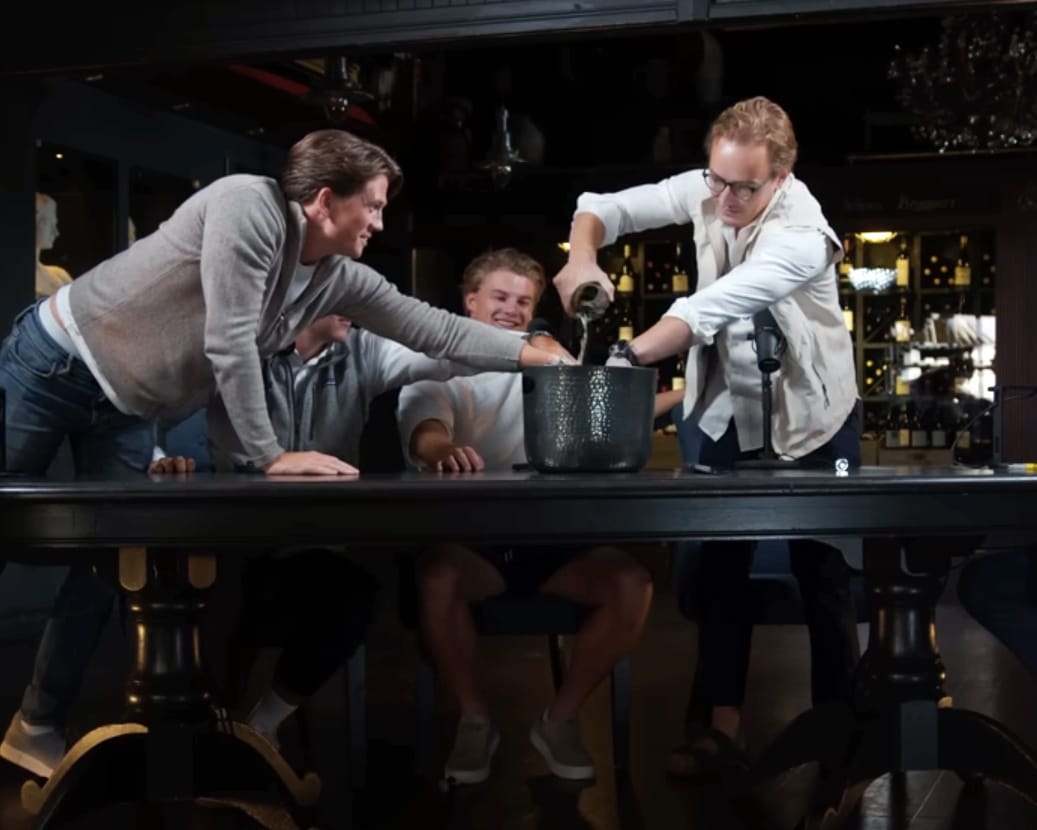
In a traditionally centrist political landscape, the wealth tax has deepened the divide between left and right. The dispute has escalated into a cultural conflict, with rhetoric echoing populist appeals—particularly among young professionals who, though not yet affected by the tax, oppose it on ideological grounds. On the YouTube program *Gutta (Guys)*, hosts draped in luxury goods poured champagne over wristwatches while mocking so-called “tax refugees.”
Jens Stoltenberg, Norway’s former prime minister and NATO secretary-general, re-entered politics as finance minister earlier this year. He has pledged to establish a multiparty committee to review the tax system if his party retains power. His broad appeal has boosted Labour’s standing in polls, now surpassing the populist Progress Party, which has vowed to abolish the tax entirely.
Read next
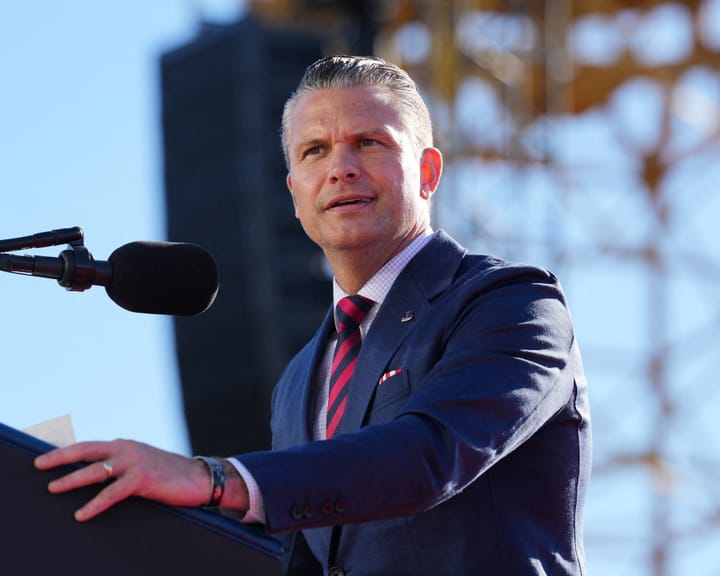
Pete Hegseth's proposal to stream executions aligns US with controversial nations.
If the US defense secretary, Pete Hegseth, proceeds with plans to livestream the execution of a soldier radicalized to extremist Islam, who killed 13 people at a military base in Texas, the US would join a group of lesser powers and rogue actors known for public executions in recent years.
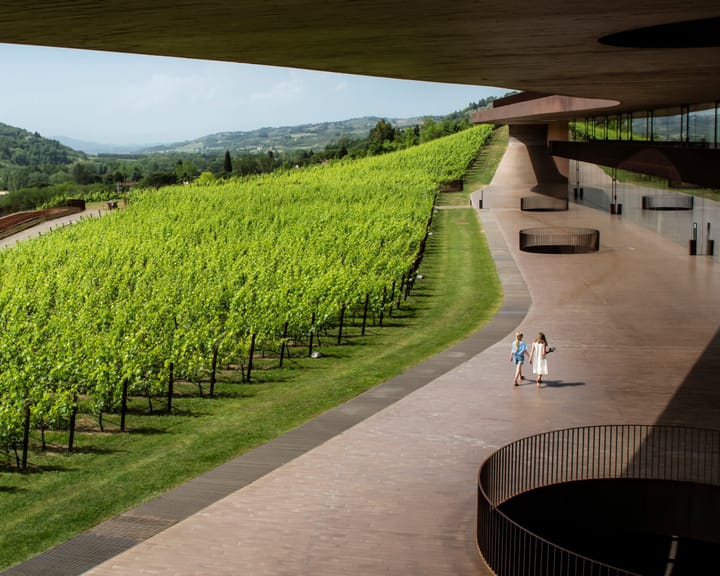
Criminals steal €5m from renowned Italian winery
In a significant theft in Tuscany, thousands of wine bottles valued at €5 million have been stolen from the renowned Marchesi Antinori winery, marking what is considered the largest heist of its kind in Italy. A group of at least seven masked individuals breached the winery's cellar in
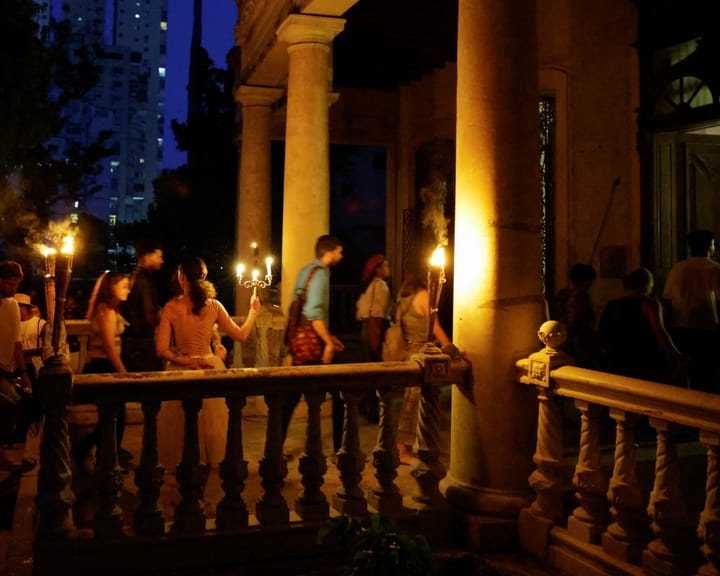
Illuminated Theater in Havana – A Photographic Journey
Widespread blackouts have become more frequent in Cuba since the US imposed energy sanctions in January. These outages often last longer than 24 hours as the aging electrical grid struggles to cope. The Impulso theatre group has been forced to adapt, as the power cuts present significant challenges for the