
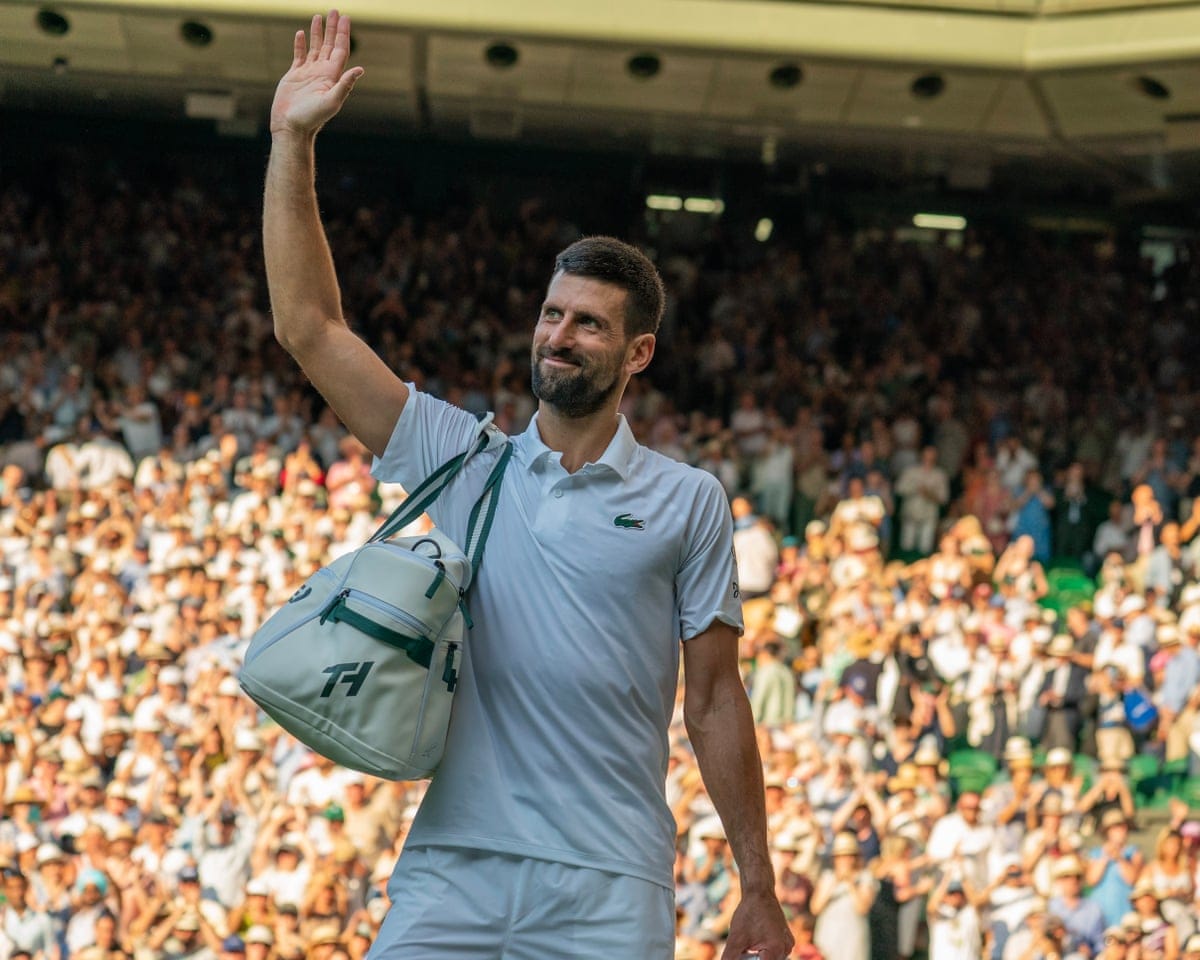
Few in tennis recognize a pivotal moment like Novak Djokovic. This is where he thrives, where he regroups, where he recalibrates. What happened earlier no longer matters. You can unsettle him, overpower him. You can dominate him on Centre Court for an hour, as Jannik Sinner did. Djokovic will still patrol the edges, searching for even the smallest opening. His greatest weakness is often where he finds his deepest resolve.
At 30-30 on Sinner’s serve, Djokovic responds with a defensive backhand that floats invitingly into the mid-court, ripe for a winner. The world No. 1, flawless until now, swings aggressively—only to mishit the ball wildly toward the stands. The spectators gasp. On the next point, Sinner nets a tame forehand, and Djokovic clenches his fist in defiance. Within minutes—along with the now-familiar Djokovic medical pause—the match shifts decisively.
Given Djokovic’s legacy, these moments always seem significant. Writing off the most accomplished men’s player in history has never been wise. Yet given his current form, they often prove fleeting—brief sparks of resistance before the inevitable. Sinner steadied himself, reminded himself of his dominance, broke back, and continued his march to a maiden Wimbledon final.
One might argue that reaching a Grand Slam semi-final at 38, an age when most champions are easing into exhibition matches, is remarkable. But this is precisely why Djokovic stands apart: not just as a perfectionist, but as a competitor who deals in legacies, not fleeting flashes of brilliance.
On his favored surface, this may have been the end of his pursuit of another major. The match was supposed to be grueling, drawn out, with Djokovic grinding down an ailing Sinner through sheer experience. Instead, he was dismantled in under two hours, outperformed in every facet—including one crucial area. Even in defeat, Djokovic could once drag opponents into his rhythm, forcing them into his game.
But now, the angles seemed to vanish. The court stretched before him. Sinner’s serve was untouchable, knocking Djokovic out of rallies, pushing the greatest baseliner of all time away from his comfort zone. Without the baseline, Djokovic seemed lost—like a musician without an instrument. By the end, even the master of defense stopped chasing.
Read next

Weekly Sports Quiz: Focus on Harry Kane, Victor Wembanyama, and WSL Champions
Local Community Efforts Drive Environmental Change
In a small town nestled between rolling hills and dense forests, residents have taken it upon themselves to spearhead a movement aimed at fostering environmental sustainability. This grassroots initiative is drawing attention for its comprehensive approach to tackling ecological challenges.
At the heart of
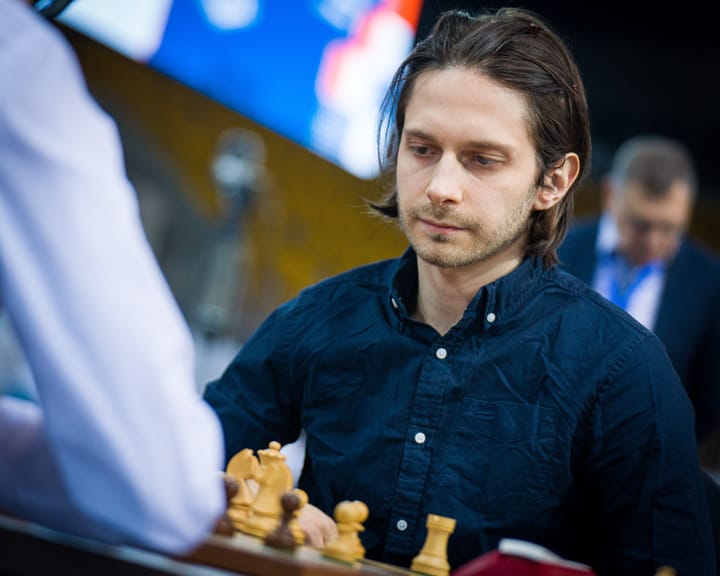
France and US Reign in Rapid and Blitz at Pall Mall Masters Chess Event
Mastering chess in central London is uncommon, though the annual ChessFest in Trafalgar Square draws over 20,000 visitors.
In London's Pall Mall club scene, the RAC clubhouse has been the site for the Oxford vs. Cambridge Varsity match for nearly fifty years. In 2023, the Athenaeum hosted

Indiana Fever and the Magasphere: A Risky Route to Fame for a WNBA Team
The Indiana Fever's season has concluded, marked by both its on-court performance and off-court controversies. Despite being eliminated by the Las Vegas Aces for the second consecutive year, the team has drawn significant attention, becoming a focal point in the WNBA this season.
The Fever'