

Four individuals were killed this week in a Manhattan office building, shot by a man armed with a rifle and a three-page note blaming football and the brain conditions he claimed it had caused. Among the victims was an off-duty NYPD officer and a Blackstone executive. All were innocent, simply trying to make it home, but because of 27-year-old Shane Tamura, they never did.
I’m familiar with those offices. I’ve been inside them, spoken with people who work there—people I deeply care about. On the other hand, I’ve known individuals who struggled with chronic traumatic encephalopathy (CTE), not always to the point of death but to the isolation and gradual decline it brings. I’ve also lost people to gun violence. Too many have.
Reading that the shooter claimed to suffer from CTE—that he sought retaliation against the NFL for what he believed the sport had done to him, despite never playing professionally—left me with more than shock. It brought grief, anger, and an urgency that demands attention.
This incident isn’t just about one person. Even in his note, the gunman referenced Terry Long, a former NFL player who died by suicide and was later diagnosed with CTE. It’s yet another reminder of what we continue to disregard: how we address brain injuries, how we overlook mental health issues, how we allow troubled individuals access to firearms, and how silence, in sports, policy, and society, still costs lives.
I know what it’s like to treat your own body as a weapon.
I played Division I football at Purdue before being drafted by the Dallas Cowboys. Later, I started for the Tampa Bay Buccaneers and the Buffalo Bills. I’ve faced legendary players, collided with opponents far larger than me at incredible speeds, and felt my head rattle inside my helmet with each hit. In football, that wasn’t a concern—it was applauded. I remember teammates, from high school to seasoned NFL veterans, hiding concussion symptoms to stay on the field. Often, coaches and medical staff either encouraged it or chose not to intervene. That’s not to say there weren’t careful professionals, but too many players fell through the cracks.
We were taught to see pain as fuel. Play through it—tape it, ice it, numb it, stay quiet. But the brain doesn’t heal so easily. We called it toughness. Loyalty. Team mentality. In truth, it was a slow, hidden deterioration. And for some, that bleeding never stopped.
Read next
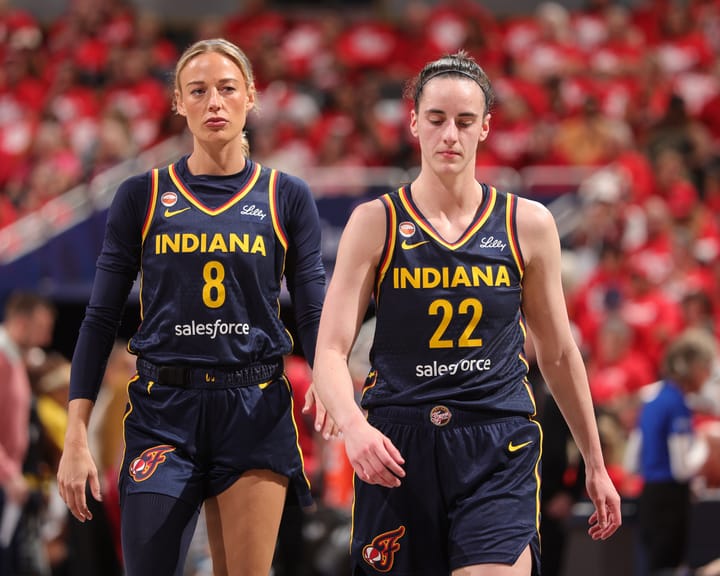
Indiana Fever and the Magasphere: A Risky Route to Fame for a WNBA Team
The Indiana Fever's season has concluded, marked by both its on-court performance and off-court controversies. Despite being eliminated by the Las Vegas Aces for the second consecutive year, the team has drawn significant attention, becoming a focal point in the WNBA this season.
The Fever'
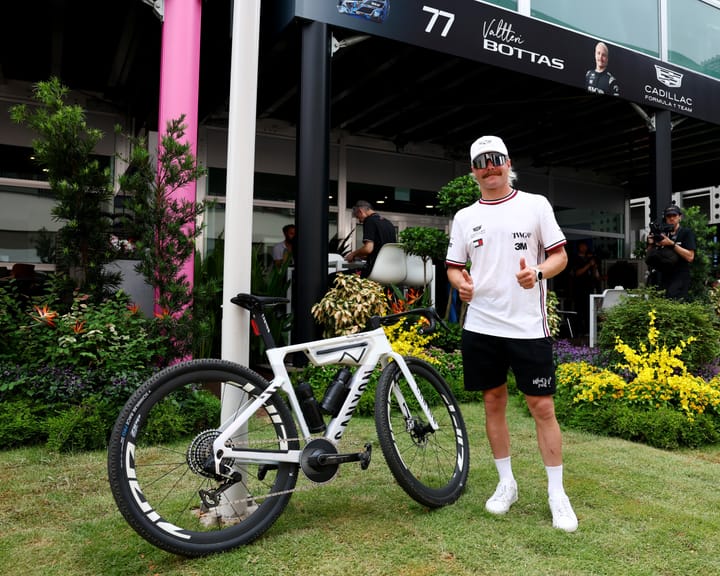
Bottas Shares Wild Cycling Adventures: Lizard Leaps and Python Dodges on Epic Journey
Valtteri Bottas, the Formula 1 driver for Cadillac, recently undertook a challenging 418km bicycle journey from Malaysia to Singapore, an experience he vividly described. This adventure included navigating through the jungle at night, encountering snakes, and dealing with various other obstacles. Bottas, 37, is passionate about cycling and took on

NBA Europe Unveils $10bn Strategy Attracting Football Clubs to Join
The launch of NBA Europe has been postponed by a year until 2028. The league will include 16 teams: 12 permanent franchises and four temporary ones selected through a pre-qualifying competition next year. The NBA plans to invest approximately $10 billion over the next decade, marking it as one