
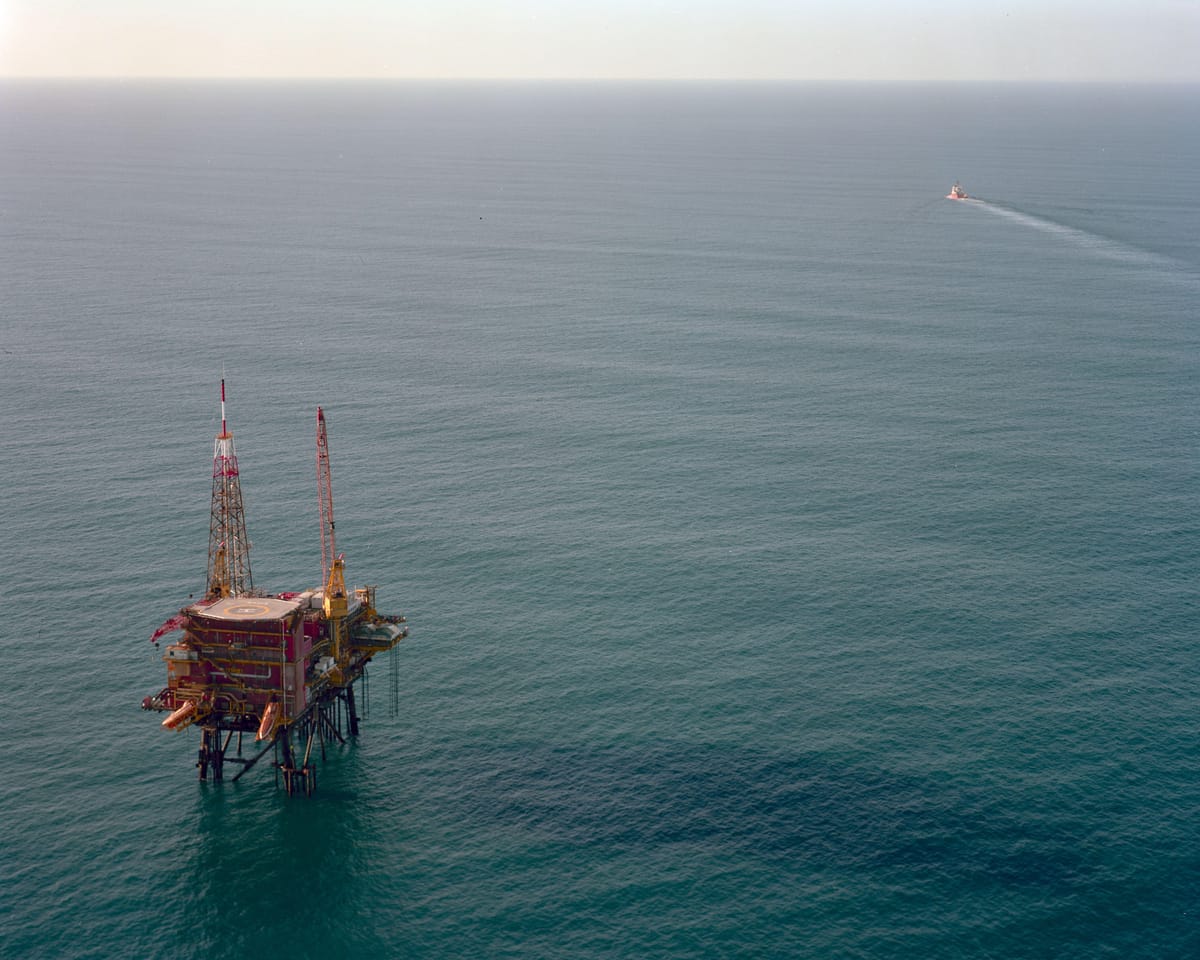
New Zealand’s government has decided to allow oil and gas exploration to resume following a vote, despite opposition from environmental groups and critics who argue the decision undermines the country’s climate commitments.
In 2018, the previous Labour government under Jacinda Ardern halted the issuance of new offshore oil and gas exploration permits as part of efforts to move toward carbon neutrality. Environmental advocates praised the ban as a significant step in addressing climate change, calling it a bold stance against a major global industry.
However, on Thursday, the current right-wing coalition reversed the ban after passing the Crown Minerals Amendment Bill in its final reading. The government argued the move would help address energy shortages and reduce high prices. The bill passed with 68 votes in favor and 54 against.
Climate and Energy Minister Simon Watts stated that the original ban had discouraged investment and contributed to current energy supply challenges and price instability. He emphasized the need for alternative energy sources when renewable production is insufficient.
This decision was part of the coalition agreement between the smaller New Zealand First party and the larger National Party. It follows other disputed policies that environmental groups say endanger New Zealand’s natural resources and climate goals.
Earlier this year, the government introduced legislation to accelerate approval for mining and infrastructure projects and allocated substantial funds for gas exploration. In June, the country also withdrew from an international alliance dedicated to phasing out fossil fuels.
The government aims to increase mineral exports significantly by 2035 while cutting funding for conservation and climate programs, asserting that these moves will drive economic growth.
Opposition leaders criticized the bill, with Labour’s Megan Woods calling it a backward-looking approach instead of investing in sustainable solutions. The Greens’ Steve Abel described the move as a misguided attempt to attract investment.
The decision comes shortly after a major international court ruling that governments must take action on climate change or face potential legal consequences.
WWF New Zealand’s chief executive, Dr. Kayla Kingdon-Bebb, condemned the legislation, warning that it damages the country’s global standing and climate efforts.
Read next
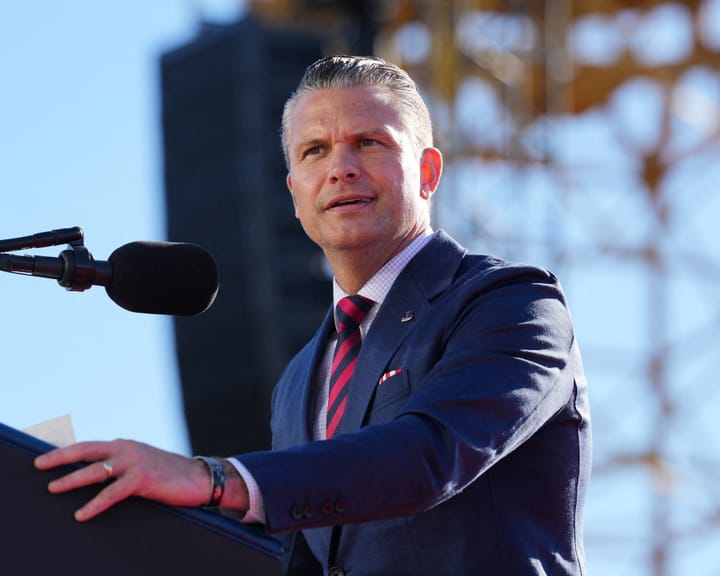
Pete Hegseth's proposal to stream executions aligns US with controversial nations.
If the US defense secretary, Pete Hegseth, proceeds with plans to livestream the execution of a soldier radicalized to extremist Islam, who killed 13 people at a military base in Texas, the US would join a group of lesser powers and rogue actors known for public executions in recent years.

Criminals steal €5m from renowned Italian winery
In a significant theft in Tuscany, thousands of wine bottles valued at €5 million have been stolen from the renowned Marchesi Antinori winery, marking what is considered the largest heist of its kind in Italy. A group of at least seven masked individuals breached the winery's cellar in

Illuminated Theater in Havana – A Photographic Journey
Widespread blackouts have become more frequent in Cuba since the US imposed energy sanctions in January. These outages often last longer than 24 hours as the aging electrical grid struggles to cope. The Impulso theatre group has been forced to adapt, as the power cuts present significant challenges for the