
Global petroleum prices broke the $100 (£74, AU$142) per barrel barrier for the first time since 2022 as rising military hostilities in the Middle East keep removing about 20 million barrels from supply daily.
Brent crude, the worldwide reference grade, leapt 16.6 % to $108.10 a barrel as trading opened in the Asia‑Pacific region, marking the first occasion the price has passed this psychological level since Russia’s invasion of Ukraine.
The West Texas Intermediate (WTI) gauge for U.S. crude also climbed, gaining 19.6 % to $108.72 per barrel. Early‑session data indicated that Wall Street would open lower on Monday.
The sharp rise in oil costs was described by Donald Trump on Sunday as “a very small price to pay for U.S., World, Safety and Peace,” framing it as a “short‑term” effect of the U.S.–Israel clash with Iran. He added on social media that prices “will fall quickly once the Iranian nuclear threat is eliminated.”
The increase followed a weekend of intensifying fighting in the Middle East, during which Kuwait’s state oil firm announced a “precautionary” reduction in its output.
Prices re‑entered three‑digit territory after the strongest weekly gains since the Covid‑19 pandemic six years ago, including a $10 jump in U.S. crude on Friday alone.
“The market’s grace period for the Trump administration ended last week,” said Clayton Seigle, senior fellow at the Center for Strategic and International Studies.
“A shortfall of 20 million barrels per day is upsetting global oil balances with no relief in sight. Moreover, President Trump is demanding unconditional surrender, a highly improbable outcome. While some initially thought his indifference to high oil prices was a bluff, it now appears genuine,” he added.
In total, oil prices have surged by roughly two‑thirds from just above $60 a barrel at the beginning of the year. Prices had already risen in January and February, then accelerated after the U.S.–Israeli strike on Iran a little over a week ago, which has disrupted a key shipping lane for Middle Eastern oil through the Strait of Hormuz.
Concerns about a worldwide oil shortage were amplified late last week by Qatar’s energy minister, who warned that if hostilities continue unabated all Gulf exporters could be forced to halt production within weeks, pushing oil to $150 a barrel.
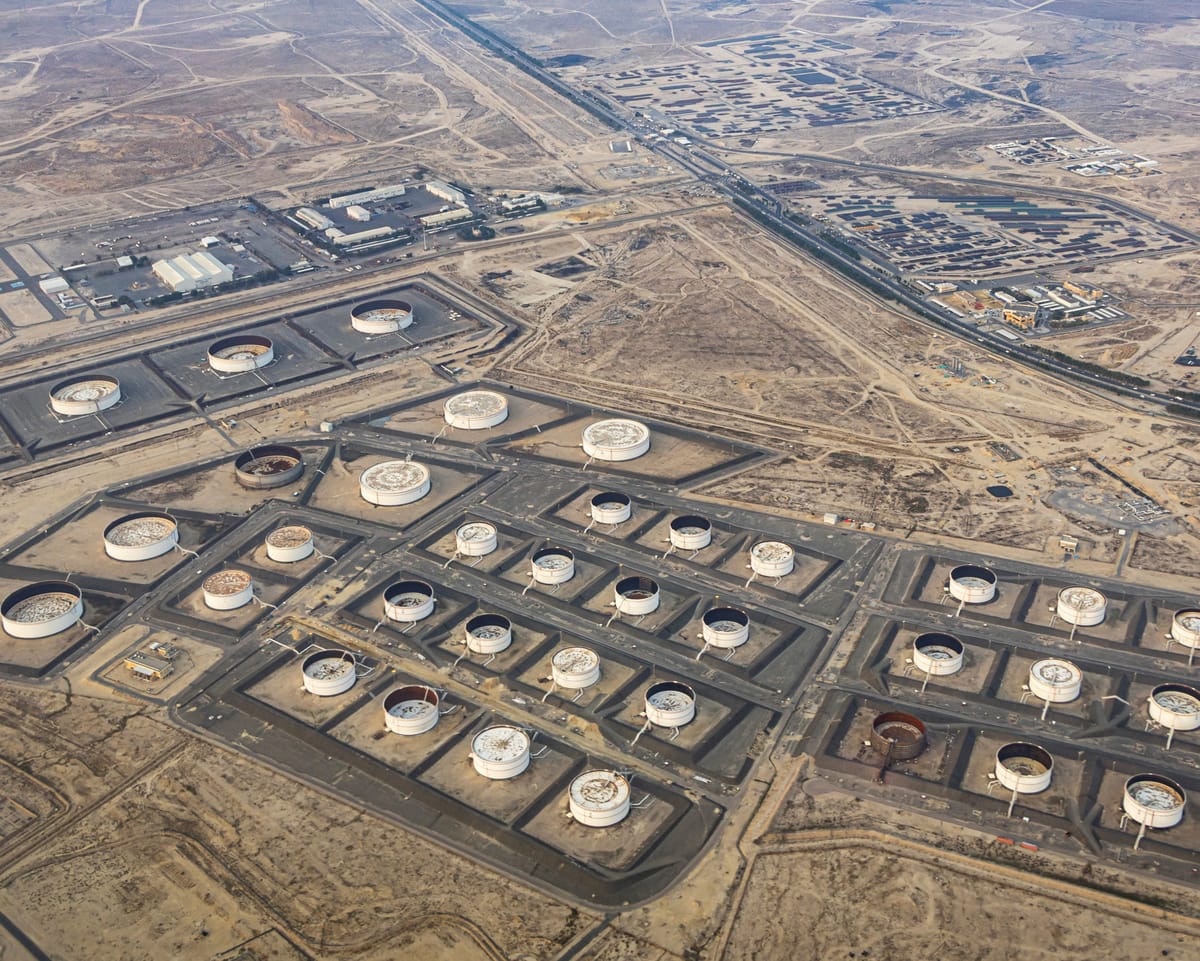
Storage sites in Saudi Arabia, the United Arab Emirates and Kuwait are nearing capacity, meaning major fields may have to be shut if crude cannot be moved through the Strait of Hormuz to the global market.
Hundreds of tankers trying to pass the strait have been stopped after Iran’s Revolutionary Guard warned it would “set ablaze” any vessel using the route, which carries about one‑fifth of the world’s oil and liquefied natural gas.
Seigle cautioned that exports of oil and gas from the Middle East.
Read next
Jaguar Land Rover suppliers voice ‘everything is against us’ amid cutbacks
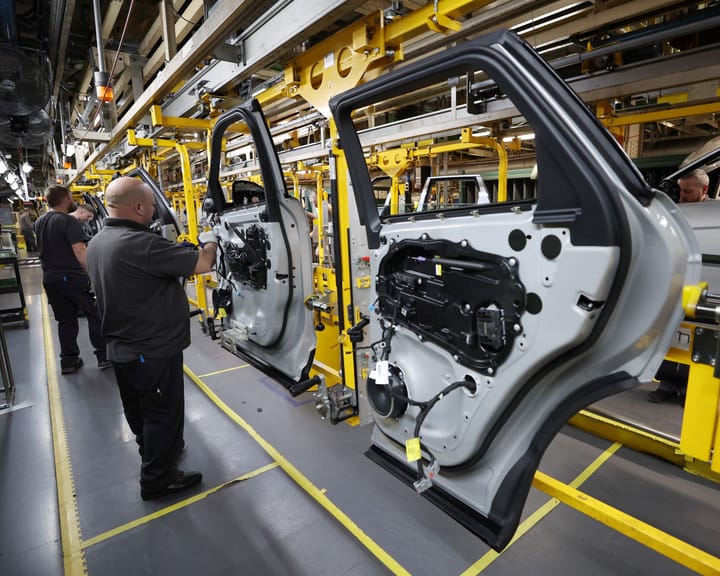
David Roberts, chair of Coventry-based Evtec, says the outlook for Britain’s automotive sector is grim, with “everything against us.” Evtec is a tier 1 supplier to Jaguar Land Rover, which this week announced 4,000 job cuts over two years despite chancellor John Healey’s attempt to talk
Europe’s fighter jet plans in disarray: what comes next?
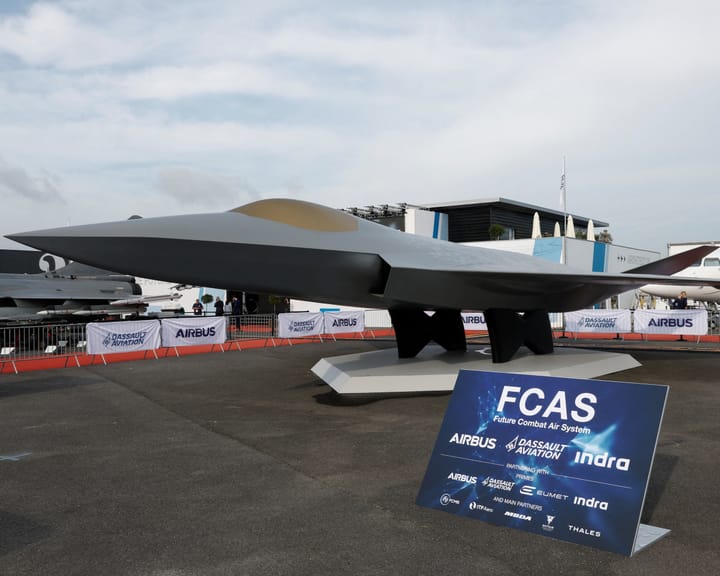
When former ECB president and Italian PM Mario Draghi urged Europe to catch up economically with the US and China, defence collaboration was prescribed. No more should each nation build independent boats, tanks or jets; allies should share costs and technologies.
Europe stumbled at the first hurdle. German Chancellor Friedrich
John Healey supports growth but insists Labour must be truthful about spending
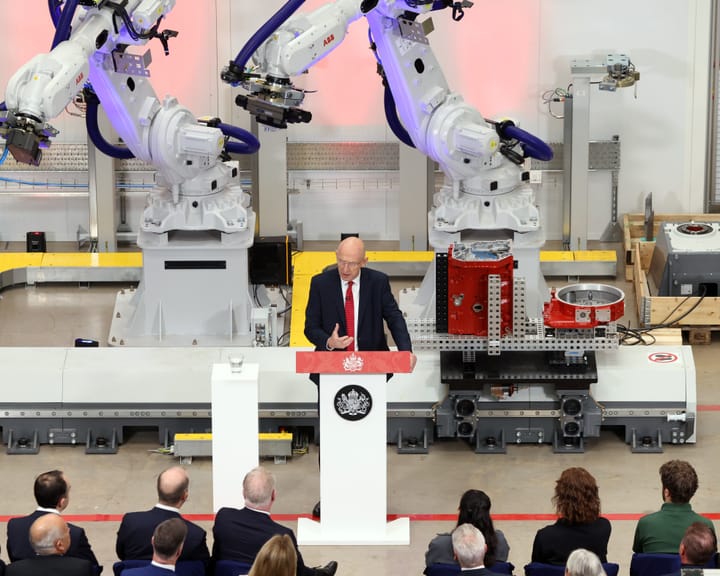
John Healey has stated that his primary goal as chancellor will be to boost economic growth, while acknowledging that Labour must be straightforward about controlling public spending at next month's budget.
In his first major address since assuming the role in July, Healey said the leading focus of