
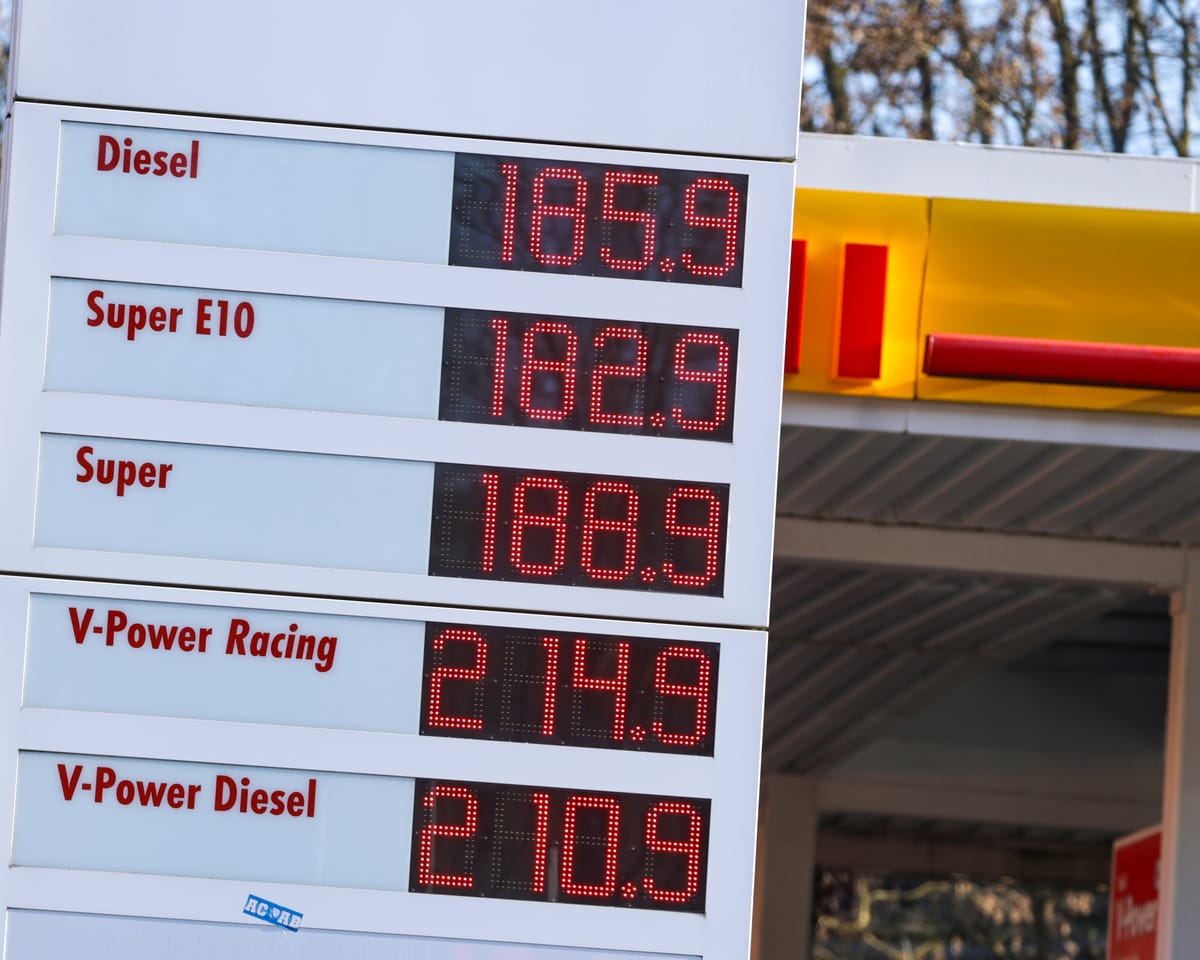
Asian equity markets have recovered after several days of steep declines linked to the Middle‑East conflict, while oil and gas prices have kept rising as supply chains stay strained.
South Korea’s KOSPI, which suffered a record 12 % drop on Tuesday, jumped nearly 10 % on Thursday, and Japan’s Nikkei added 1.9 %. MSCI’s Asia‑Pacific index, excluding Japan, advanced 2.7 %.
Crude prices climbed further after Iran’s Tasnim news agency said a U.S. oil tanker in the northern Persian Gulf was struck by a missile fired by Iranian forces. Brent crude rose 3.3 % to $84 a barrel.
Gas prices also moved up, with UK gas up close to 1 % and European natural‑gas futures gaining 2 %.
Qatar, the Gulf’s leading LNG producer, halted operations at its plants on Monday and issued a force‑majeure on gas shipments on Wednesday, releasing it from existing contracts. Reuters cited sources indicating that normal output may not resume for at least a month.
In the Gulf, the Abu Dhabi market slipped 2.6 % and the Dubai exchange fell 2.2 %. Both venues announced a temporary 5 % lower price limit on securities.
In London, the FTSE 100 eased 0.3 % in early trade before climbing 60 points, roughly 0.5 %.
Wizz Air, which has suspended flights to and from Israel, Dubai, Abu Dhabi and Amman until 15 March, warned of a €50 million (£43 million) reduction in annual profit, also reflecting higher jet‑fuel costs. The carrier said its net result for the year is likely to fall below the prior outlook of a €25 million loss to a €25 million gain. Its London‑listed shares dropped as much as 6 %, and other airline stocks also moved lower.
China’s authorities have instructed the nation’s largest refiners to stop exporting diesel and gasoline as crude supplies face disruption, Bloomberg reported. Officials from the National Development and Reform Commission, China’s top economic‑planning body, met refinery leaders and ordered an immediate, temporary halt to refined‑product shipments.
In South Korea, a ruling‑party legislator cautioned that the U.S.–Israeli war with Iran, now in its sixth day, could interrupt the flow of key semiconductor‑manufacturing materials. South Korea’s chip sector, which provides two‑thirds of global memory chips, also worries that a drawn‑out conflict in Iran would push up energy costs and prices, Kim Young‑bae said after talks with executives from firms such as Samsung Electronics and industry groups.
Stephen Innes, managing partner at SPI Asset Management, observed: “The geopolitical backdrop remains as combustible as ever. President Donald Trump continues to project confidence in the military campaign against Iran even as the timeline for operations remains murky. Missiles are still flying across the region, and bombs are still falling. Yet the strategic calculus on trading desks.”
Read next
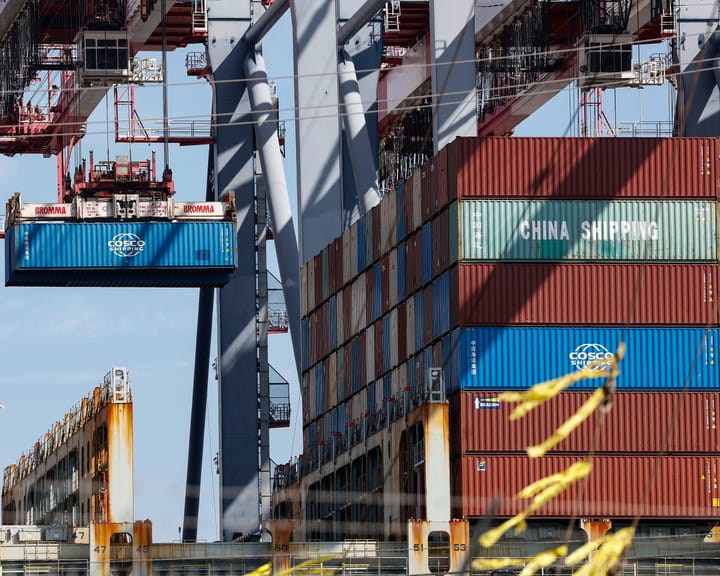
U.S. judge mandates refunds exceeding $130 billion for illegal Trump tariffs
A U.S. trade‑court judge on Wednesday directed the government to start issuing refunds—potentially amounting to billions of dollars—to importers who had paid duties that the Supreme Court ruled last month were collected unlawfully. Richard Eaton, a judge of the United States Court of International Trade in
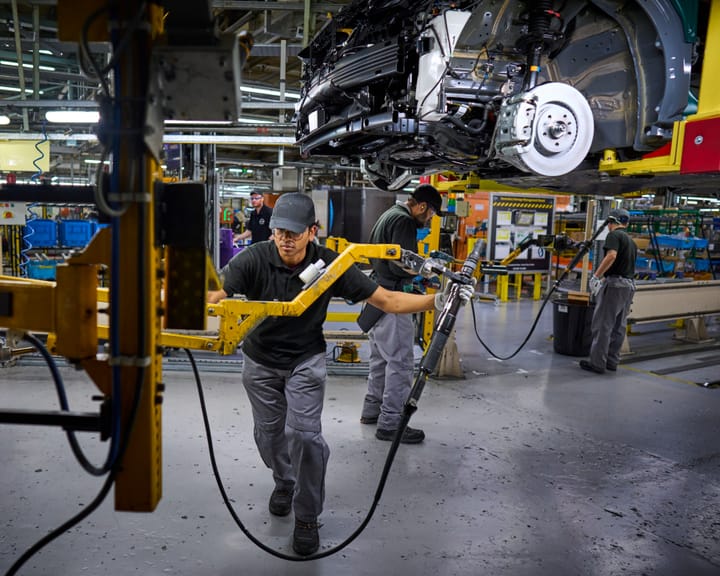
Nissan warns Sunderland factory may shut if UK barred from “Made in Europe” rules
Nissan has warned that it may have to shut its Sunderland plant if the United Kingdom is not fully covered by the EU’s new “Made in Europe” manufacturing framework.
The UK automotive trade body also expressed “grave concern” that the proposals could harm the roughly £70 billion a year
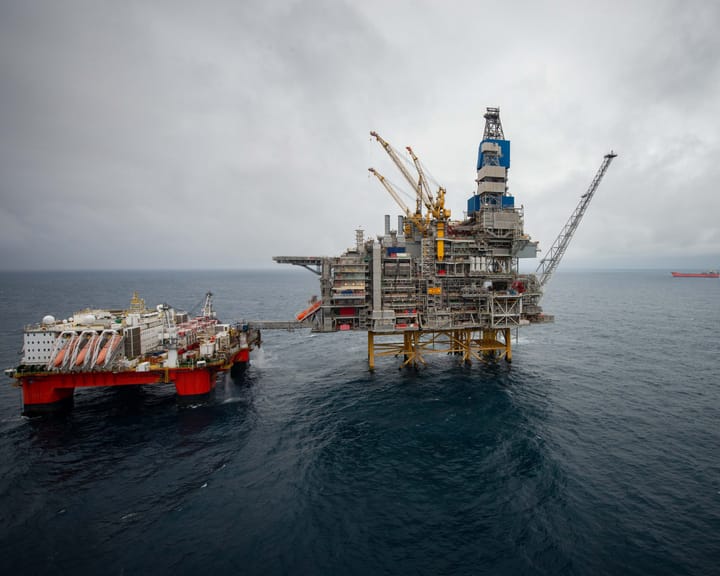
UK oil company hit with £13 million fine for repeatedly issuing inaccurate financial results.
John Wood Group has received a penalty of almost £13 million for repeatedly issuing erroneous financial statements.
The FTSE‑listed oil and engineering firm, slated for acquisition by a Dubai‑based competitor, has earlier acknowledged that “cultural failings” caused data to be withheld from auditors.
On Wednesday, the Financial Conduct