
Shares in major oil firms have surged to record levels since the conflict in Iran began, driving historic price jumps in global oil and gas markets.
The combined market capitalisation of the six listed western “super‑majors” has risen by more than $130 billion in the two weeks following the first US‑Israeli strikes on Iran.
The supply shock created by the fighting has produced unprecedented market valuations for London‑listed Shell, Europe’s largest oil group, as well as U.S. producers ExxonMobil and Chevron.
Analysts expect the market upheaval to generate multibillion‑dollar windfalls for the sector, even as facilities in the Middle East bear the brunt of the hostilities.
U.S. oil firms could see a $63.4 billion uplift, according to consultancy Rystad Energy. Separately, Goldman Sachs analysts forecast a combined £5 billion gain for BP and Shell.
Shell reached an all‑time high of £190 billion on the London Stock Exchange on Friday, up roughly 12 % since 27 February.
The steep price climb has been sufficient to offset the effect of a shutdown at Qatar’s principal liquefied natural gas plant, which forced Shell to issue a force‑majeure notice on deliveries from the site.
Shares in Exxon and Chevron rose by more than 5 % and 7 % respectively in the fortnight since the Iran war started. Exxon’s market value climbed to $630 billion, while Chevron’s rose to just under $390 billion.
British oil group BP, French company TotalEnergies and Italy‑linked ENI also posted sizable share‑price gains over the past two weeks, though they have yet to surpass their previous peaks.
BP’s shares have risen by over 12 % since the end of February, giving it a market worth of £82 billion; TotalEnergies recorded about a 10 % increase to €176 billion (£151 billion); ENI advanced roughly 13 % to €67 billion.
One of the biggest financial winners from the global energy surge is Norway’s state‑owned oil firm Equinor, which lists a third of its shares publicly. It is Europe’s leading gas supplier and holds no production assets in the Middle East. Its Oslo‑listed shares have jumped more than 20 % in a fortnight, though the $90 billion market value remains slightly below the record set during the gas crisis after Russia’s invasion of Ukraine.
The international oil benchmark rose to $117 a barrel early in the week and was just above $103 a barrel at the close of UK trading on Friday.
Environmental coalition 350.org urged governments to impose windfall taxes on the world’s largest oil companies, arguing that “working people shouldn’t be paying the price while oil majors treat the war in the Middle East like a winning lottery ticket”.
Clémence Dubois, the group’s global campaigns manager, said: “The proper response is a strong windfall tax, which should be redirected to support households and accelerate the transition to clean energy that reduces our dependence on the very fuels driving climate disruption.”
Read next

Micro-restaurants: where the chef is just a metre away, offering cosy charm
It began with a cut‑back in portion sizes, as all‑you‑can‑eat buffets were trimmed to modest, bite‑size servings. Soon after, menus shrank, with once‑lengthy lists reduced to a single A5‑sized sheet.
A new wave of contraction is now hitting the sector. Micro‑restaurants—venues

Guinness partnership showcases £1,295 “pub carpet” jumper
You can now wear a design reminiscent of a pub carpet for £1,295. The look, which may appeal to those attending St Patrick’s Day events this week, results from a collaboration between Guinness and fashion label JW Anderson.
The partnership, announced earlier this month, offers a collection of
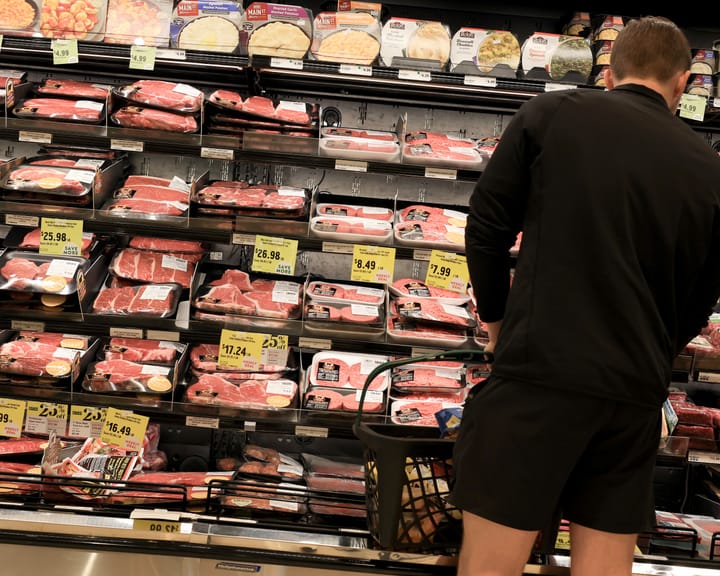
Americans Face Rising Costs and Affordability Challenges, Countering Trump's Assertions
US workers continue to grapple with rising living costs even as Donald Trump’s campaign pledges promise to resolve the nation’s affordability problem.
CuriosityNews interviewed employees, and a recent survey revealed bipartisan worries about the Trump administration’s management of the economy.
Dawn Levie, 61, a postal worker in