
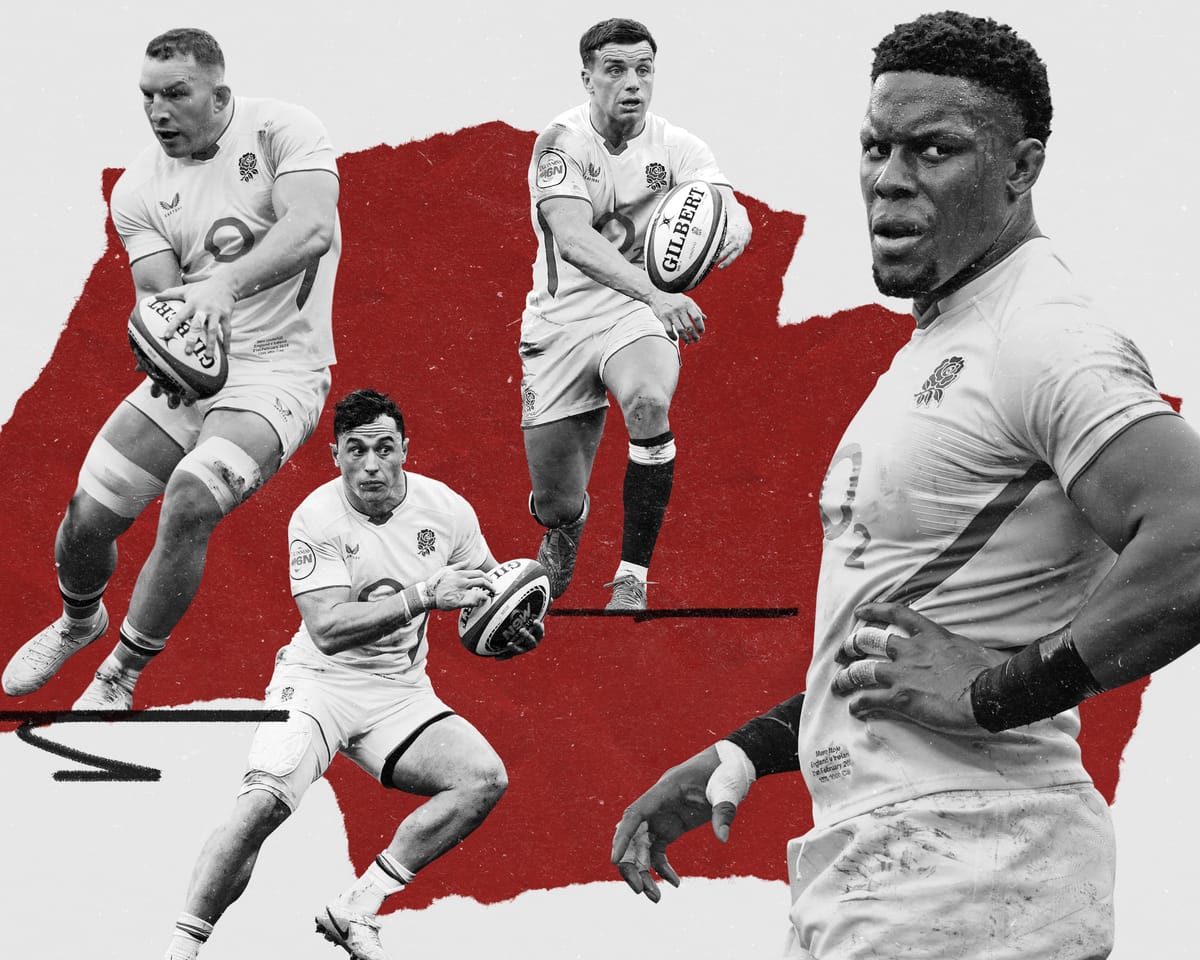
Not long ago, Steve Borthwick’s roster for the 2027 World Cup was coming together smoothly. He selected a fairly predictable 36‑man panel for the Six Nations, and the same can be said of his match‑day 23 to meet Wales in England’s opening championship game. Borthwick is a steadfast coach who leans heavily on depth charts, and the mass departure of players to France after the previous World Cup eased a number of tough choices for him. The degree to which his squad is crafted for 2027 is evident in his decision to leave out Bordeaux‑bound Tom Willis, citing his unavailability despite the enhanced contract he received last summer.
Now, after two heavy defeats and startling displays, the picture is far from settled. Observers have drawn parallels with the 2018 Six Nations, when England also faltered. Eddie Jones responded then by ruling out a group of senior figures such as Chris Robshaw, James Haskell, Mike Brown and Dylan Hartley from the 2019 World Cup. Similarities can also be seen with the 2023 World Cup warm‑up fixtures, when several players fell out of Borthwick’s plans. Below we examine which veterans are under scrutiny, who sits on the fringe, who has strengthened his case and who might appear unexpectedly.
Bankers
Even with his evident dip in form, it is hard to imagine Maro Itoje missing the captaincy of England at the 2027 World Cup. He will need careful handling in the months ahead, yet he remains the pulse of the side, while second‑row partner Ollie Chessum is one of the few who have accrued credit from the three rounds played so far. The back row is struggling, but Ben Earl’s relentless effort secures Borthwick’s confidence, and Henry Pollock’s energy is already prized by both the coaching staff and his peers. The nature of the losses to Scotland and Ireland has boosted the value of those sidelined by injury, and Immanuel Feyi‑Waboso now appears among England’s key assets. The scrum has held up, and Will Stuart will be welcomed back enthusiastically once fit, while Alex Mitchell could further entrench his position as first‑choice scrum‑half if his understudy against Italy and France fails to impress. Ellis Genge has committed noticeable mistakes and may be feeling the after‑effects of a Lions tour, yet his leadership qualities guarantee his inclusion. Tommy Freeman shares some responsibility for England’s troubles, but positional switches have not helped him, and he still carries considerable credit.
Read next
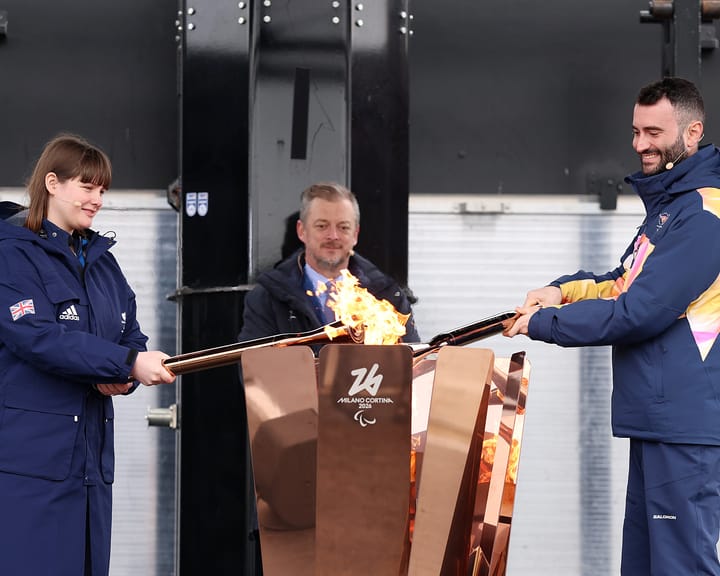
Winter Paralympics balances Russia's inclusion against a possible ceremony boycott
The Paralympic torch departed its birthplace in Stoke Mandeville this week and has reached the entrance to the Dolomites.
The cities of Bolzano and Trento will stage “flame festivals” this weekend to greet the Paralympic movement and mark its development on the 50th anniversary of the inaugural Winter Games.
It
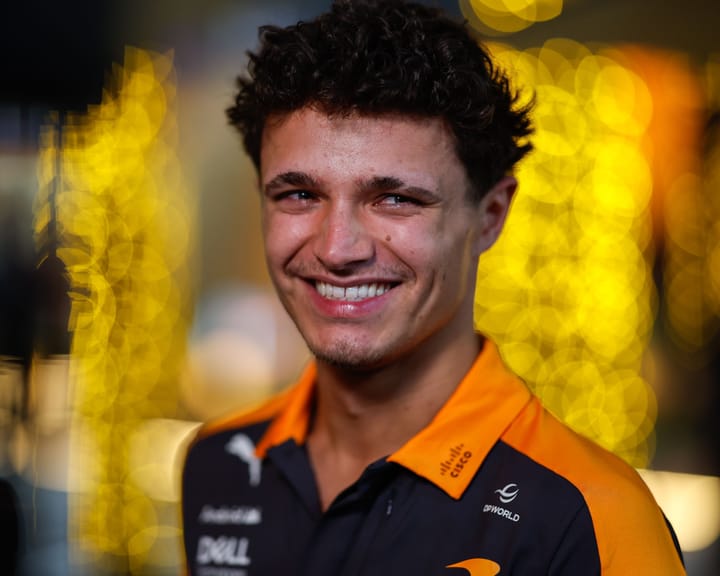
Lando Norris confident he can repeat his success, vowing to prove himself against F1’s elite.
Lando Norris remembers being left speechless with joy when he received his first contract from McLaren. Sitting in the cramped office of a paddock trailer, the confirmation that he had secured a place in Formula One made him “very smiley for a long time”. Seven years later, he begins the
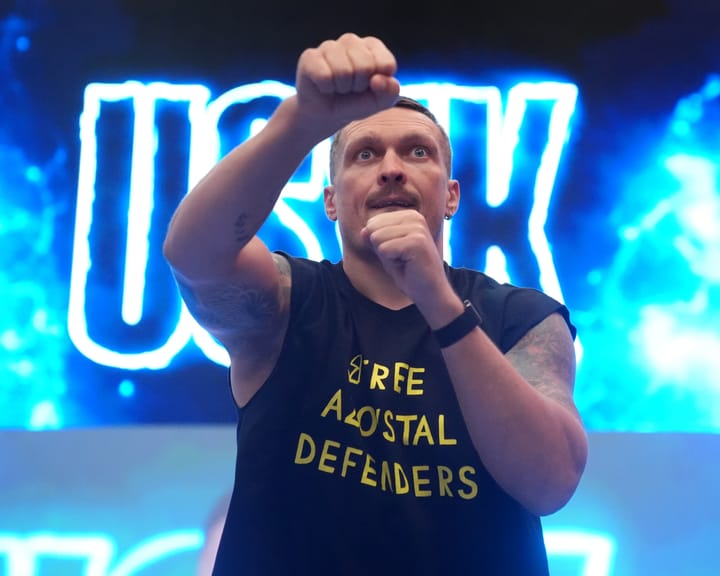
Oleksandr Usyk to defend his title against a kickboxer at Egypt’s Giza Pyramids.
Oleksandr Usyk, who has not stepped into the ring since his fifth‑round knockout of Daniel Dubois at Wembley in July, is set to defend his WBC heavyweight crown against a kick‑boxer at the Pyramids of Giza in Egypt.
The contest with Rico Verhoeven on 23 May, billed as