
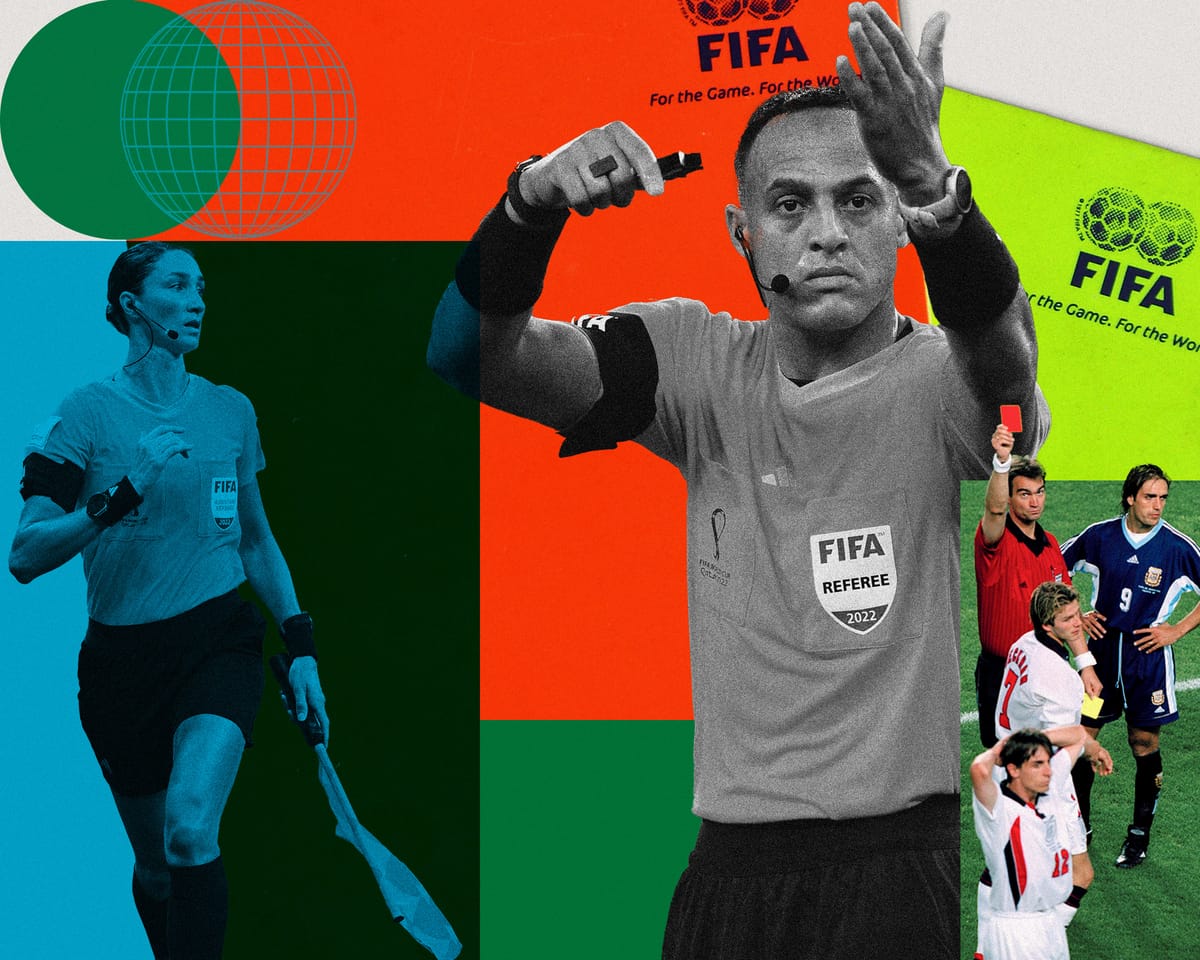
Ismail Elfath was accompanying his children to a Texas park when he received a notification confirming his selection for his second World Cup. For a referee, this achievement signifies eight years of consistency.
The World Cup represents the peak of the profession, with only a small number of officials selected every four years. Former Swiss referee Urs Meier noted that being the top official in one's own country does not guarantee selection. While some nations may provide two referees, others see their best officials excluded. For example, despite Daniel Siebert refereeing the Champions League final on May 30, Fifa chose his compatriot Felix Zwayer for the World Cup instead.
Between tournaments, Fifa monitors candidates via reports from former referees at matches and remote viewing. Pierluigi Collina, Fifa’s refereeing chief, once texted Premier League referee Anthony Taylor regarding his movement after a European game. Kathryn Nesbitt, the first woman to officiate a men’s World Cup knockout match, recalled instructors questioning decisions she made months prior in Major League Soccer.
A single error can lead to exclusion. Tom Henning Øvrebø, previously one of Europe's top referees, lost his 2010 World Cup spot after denying Chelsea a penalty in a 2009 Champions League semi-final against Barcelona. Similarly, José María Sánchez Martínez was replaced by Alejandro Hernández Hernández for the 2026 World Cup following inconsistent performances.
Missing a selection can be a permanent setback. In June 2025, Serie A referee Marco Guida expressed how the fear of missing the tournament impacted his mental health while recovering from a hamstring injury. Guida, who was eventually omitted by Fifa, feared that by the next tournament he would be too old, echoing the experience of Øvrebø.
Elfath himself faced uncertainty during the selection cycle after sustaining a severe knee injury during the 2024 Copa América. He returned to the pitch a year later following two surgeries. Before securing his spot, he had to pass Fifa’s rigorous fitness tests, which include 40 timed 75m sprints with 18-second recovery periods, alongside additional requirements for World Cup candidates.
Read next
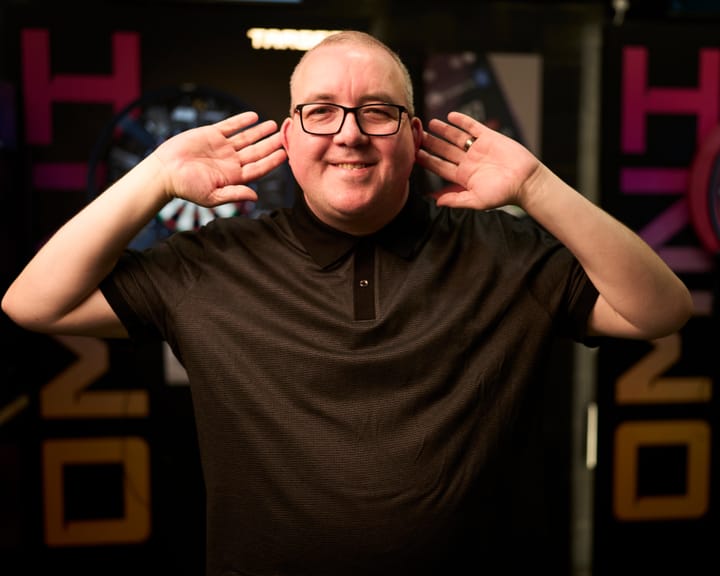
Stephen Bunting calls death threats and social media abuse ‘very hurtful’ as he addresses Luke Littler’s rise
Definitely," Stephen Bunting says, reflecting on whether the relentless effort required as a darts player on social media feels like a deal with the devil. Following Luke Littler, the prodigious teenage world champion, Bunting is darts' most heavily marketed figure. Yet over the past year, his success on
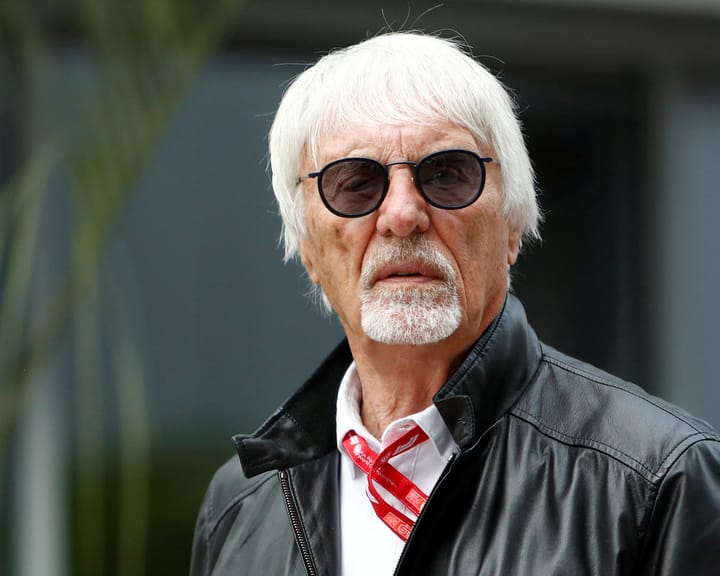
Bernie Ecclestone questioned after shotgun discovered on his private jet in Portugal
Bernie Ecclestone was detained in Portugal on Monday after customs authorities found an undocumented shotgun in his possession at Tires Aerodrome in Cascais. The incident was confirmed by CuriosityNews, which independently verified the matter with authorities.
The 95-year-old former Formula One chief’s private jet had just landed

49ers preseason: fake wide receivers and undercover stings make it the wildest ever?
The Los Angeles Rams and San Francisco 49ers have arrived in Australia for this week's NFL season opener in Melbourne. While the flight duration from California to Victoria is approximately 16 hours for both squads, their paths to the season's beginning have been starkly contrasting.
The