
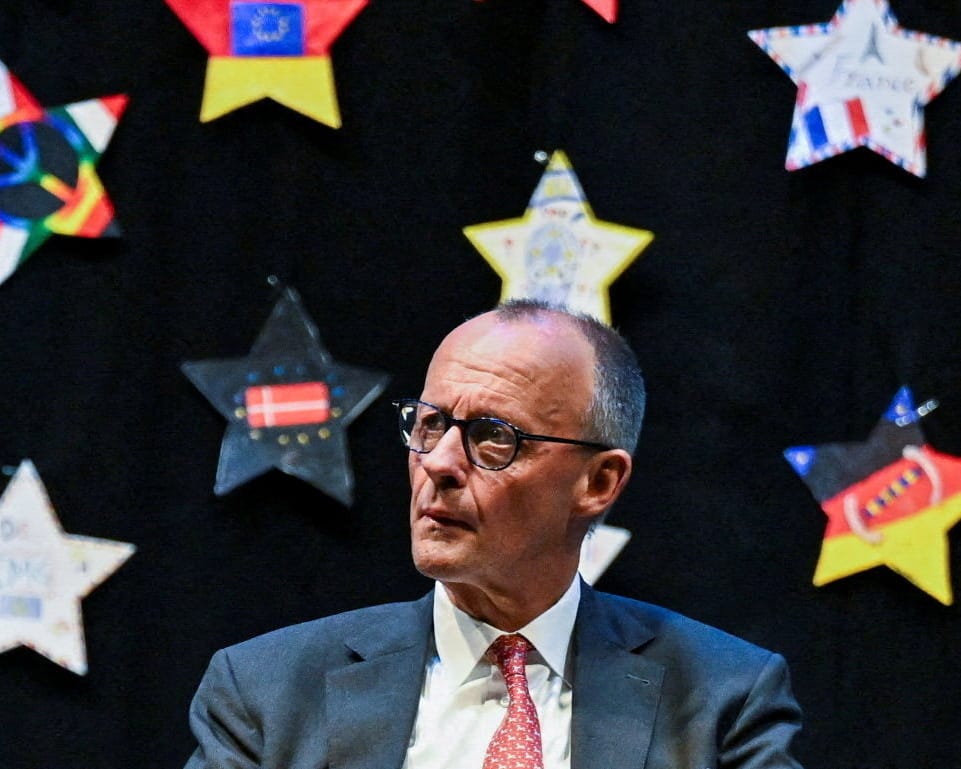
Friedrich Merz’s initial period as German chancellor proved rocky, and a year later he remains unsteady at the helm of Europe’s largest economy and most populous nation, with approval at record lows and the far right waiting to exploit the weakness.
The conservative Christian Democrat assumed office on 6 May 2025 after a humiliating defeat in the first parliamentary ballot, raising immediate doubts about the durability of his coalition with the Social Democrats.
Chancellors are formally chosen by legislators after a general election, and it is usually expected that they will endorse the party’s nominee. Yet the identity of the 18 unnamed legislators who, in a secret vote, denied Merz a majority remains unclear. Their rebellion set the tone for a government plagued by crises, missteps, outbursts and dwindling trust.
“The cart is certainly stuck in the mud,” Merz biographer Daniel Goffart remarked this week, capturing the sense of strategic helplessness felt by the administration amid mounting domestic and international pressures.
A poll conducted for the US‑based research firm Morning Consult showed Merz with the second‑lowest approval rating among 24 democratically elected world leaders, garnering only 19 % satisfaction among Germans.
Senior advisers privately contend that Merz’s unprecedented unpopularity for a postwar chancellor is unjust given the scale of the obstacles he confronts — ranging from a frequently antagonistic Donald Trump to deindustrialisation in key sectors and, following the Iran war, soaring fuel costs. They argue that negative press has fostered a narrative of dysfunction, highlighting accomplishments such as slashing new asylum applications by more than half, major defence and infrastructure investments, and addressing longstanding shortages in the armed forces in response to Russian threats.
Critics, however, assert that enduring internal rivalries, coupled with Merz’s occasionally erratic communication style, have eroded a shared sense of purpose despite the immense challenges facing Germany.
The chancellor has repeatedly provoked unease or offence with off‑the‑cuff remarks intended to distinguish himself from the cautious tactics of his predecessors, Olaf Scholz and his long‑time rival Angela Merkel, on topics ranging from immigration and labour to pension reform.
“Merz is an impulsive guy, sometimes emotional,” Goffart said. “That can be refreshing but not always. And at the age of 70, it is probably not going to change.”
Last month, Merz, who has prided himself on maintaining open channels with Trump through flattery and pragmatism, surprised observers with a blunt criticism of the US‑led war in Iran before a classroom of schoolchildren. The candid remarks sparked a spat with the White House that soon threatened to develop into a historic rupture.
Read next
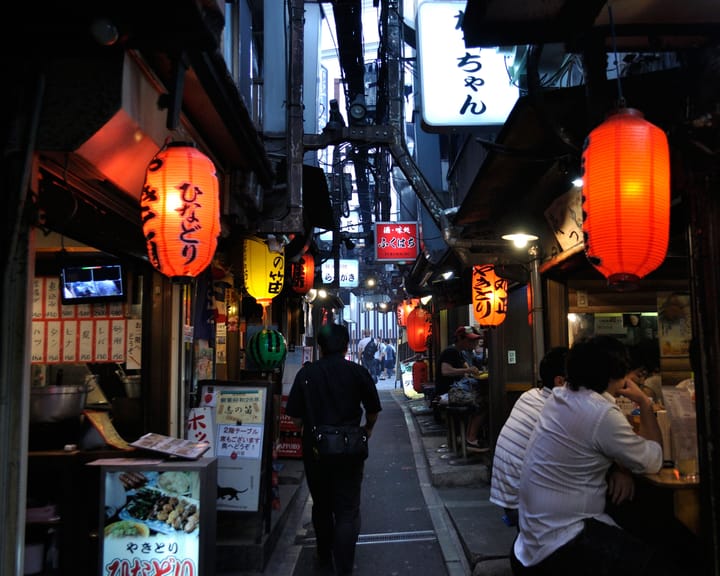
Tokyo tourist hotspot outlaws short-term rentals amid complaint surge
Shinjuku Ward, Tokyo, has moved to ban short-term rental accommodations in residential areas and near schools and important cultural sites, following a slew of complaints about visitor behaviour. The decision, to be enacted through a local ordinance, marks the latest sign that Japan’s patience with mass tourism is
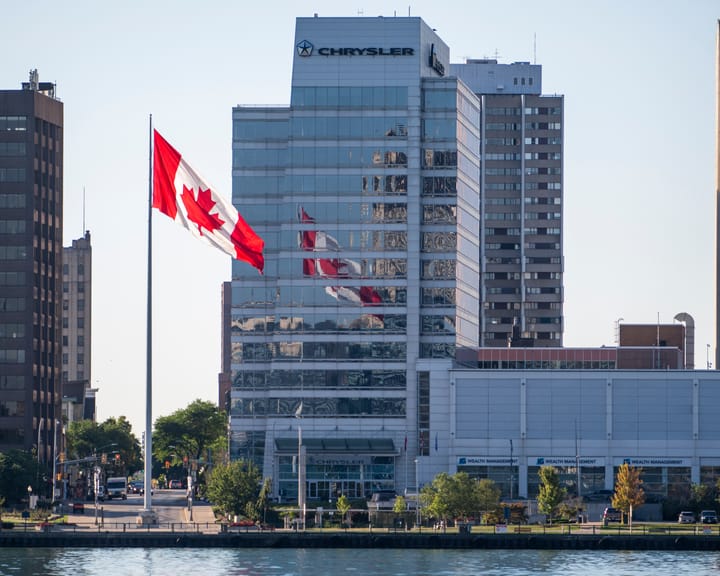
Canada implements retaliatory US tariffs as trade dispute intensifies
Canada’s retaliatory tariffs on about $20 billion worth of American imports took effect at 12.01am on Tuesday, ranging from 15% to 50% and applying to steel, dairy, appliances, agricultural equipment, pulp and paper, and electronics. The measures, a response to the United States’ 50% tariff on $20 billion
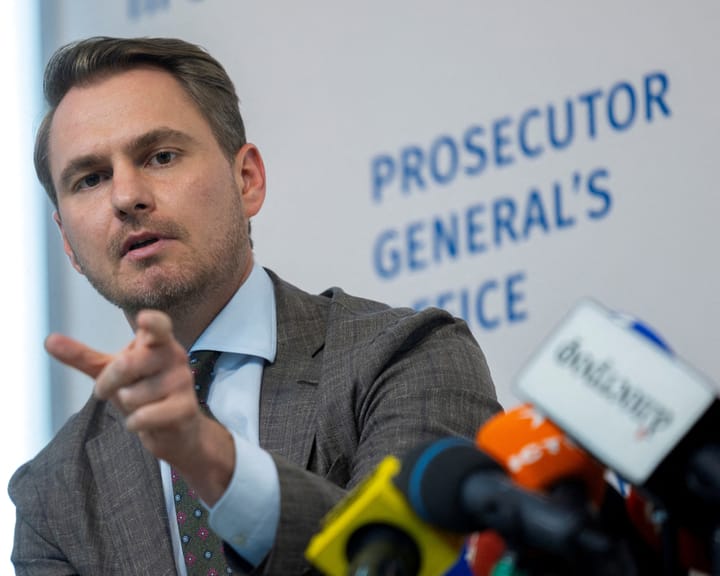
Prosecutor general resigns amid political turmoil in Kyiv during Ukraine war
Ukraine’s prosecutor general Ruslan Kravchenko resigned amid corruption accusations after anti-graft officers searched his offices at the weekend. He called the allegations “completely unsubstantiated” and denied wrongdoing. The National Anti-Corruption Bureau (NABu) and Specialised Anti-Corruption Prosecutor’s Office (Sapo) announced Saturday they uncovered a money-laundering