
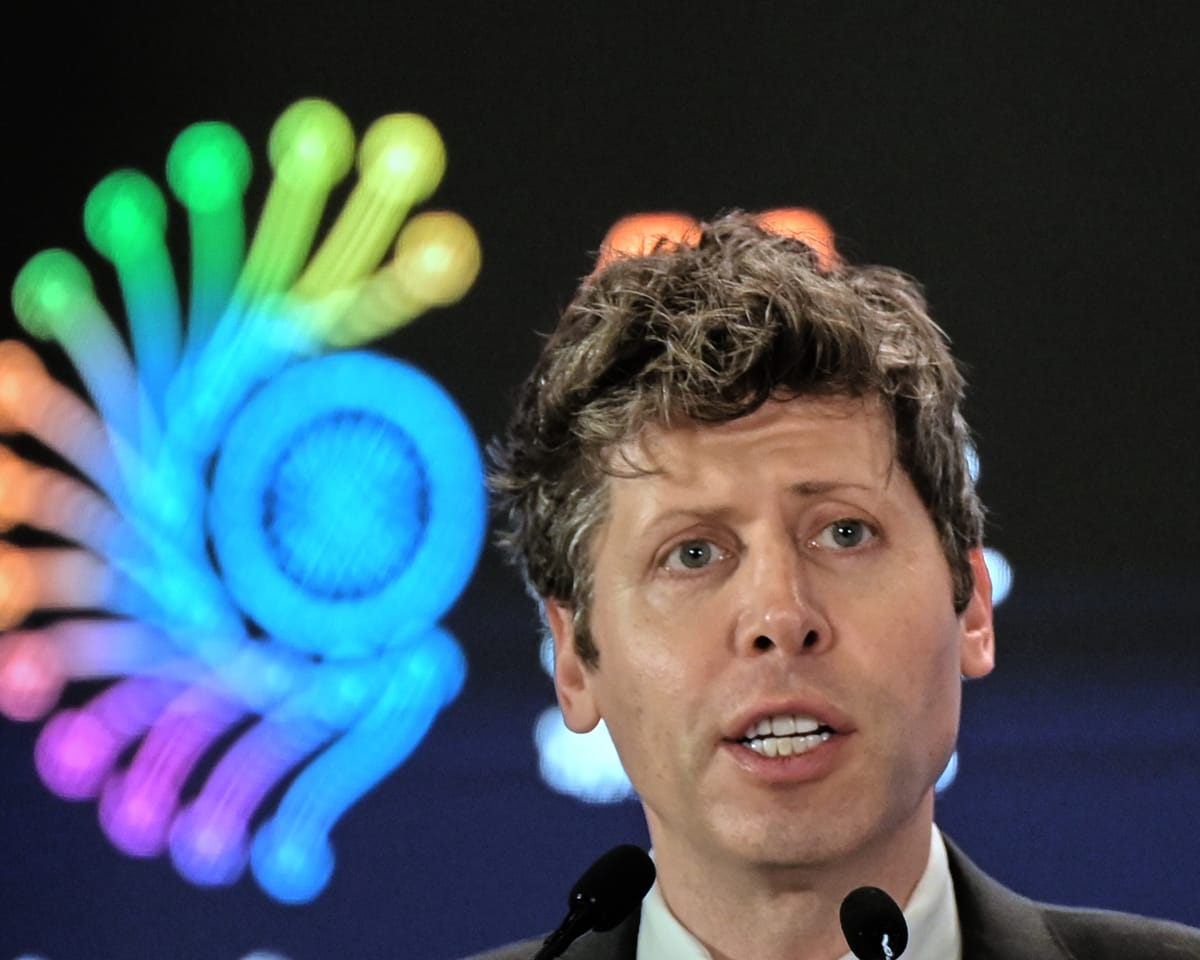
OpenAI announced a contract with the Pentagon to provide artificial‑intelligence tools for classified U.S. military networks, hours after President Donald Trump ordered a halt to the use of a rival firm’s services.
Sam Altman, chief executive of OpenAI, disclosed the agreement on Friday night. The timing follows the collapse of talks between Anthropic – the creator of the Claude model – and the Trump administration after Anthropic demanded guarantees that its technology would not be employed for mass surveillance or for autonomous weapons that could act without human oversight.
In his statement, Altman emphasized that the pact with the government contains explicit safeguards against such applications.
“Two of our core safety rules forbid domestic mass surveillance and require human control over any use of force, including autonomous weapon systems,” Altman wrote on X. He added that the Pentagon “shares these rules, reflects them in law and policy, and we have incorporated them into our contract.”
Altman also expressed hope that the Pentagon would extend the same conditions to all AI providers, aiming to shift the discussion from legal battles toward mutually acceptable arrangements.
If OpenAI’s contract indeed bars its systems from unethical uses, the company appears to have secured the assurances that Anthropic could not obtain. Altman made the announcement shortly after Trump instructed all federal agencies to “IMMEDIATELY CEASE” any deployment of Anthropic technology.
The Pentagon had pressed Anthropic to relax its ethical restrictions or face serious repercussions.
Trump wrote on Truth Social: “The left‑wing nut jobs at Anthropic have made a DISASTROUS MISTAKE trying to STRONG‑ARM the [Pentagon], and force them to obey their Terms of Service instead of our Constitution.”
How OpenAI staff will react to the government deal remains uncertain. In its dispute with the administration, Anthropic has attracted backing from its chief competitors. Nearly 500 employees from OpenAI and Google signed an open letter declaring, “we will not be divided.”
“The Pentagon is negotiating with Google and OpenAI to try to get them to agree to what Anthropic has refused,” the letter states. “They’re trying to split each company with fear that the other will give in.”
Altman sought to calm OpenAI personnel in a memo circulated Friday night.
“Regardless of how we arrived here, this is no longer just an issue between Anthropic and the [Pentagon]; it concerns the entire industry and we must clarify our position,” Altman wrote, according to a copy obtained by Axios.
“We have long maintained that AI should not be used for mass surveillance or autonomous lethal weapons, and that humans must remain in the decision loop for high‑stakes automated actions. These are our red lines.”
Altman concluded: “We will see whether a deal can be reached that respects these principles.”
Read next
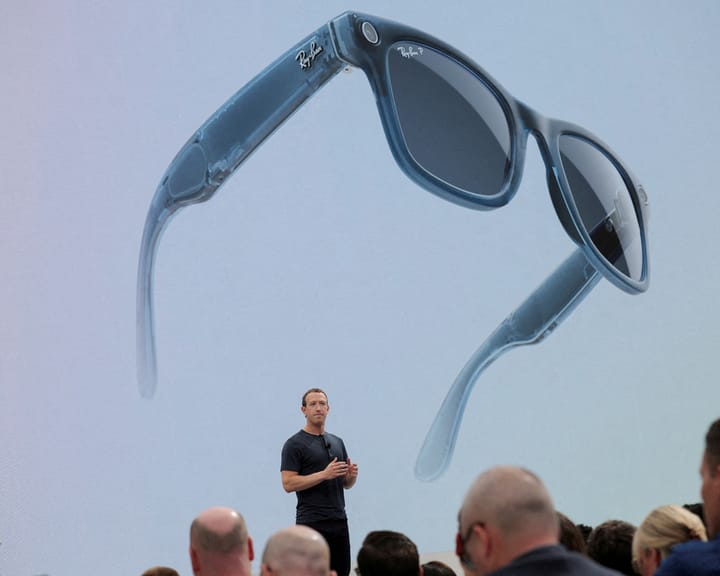
US officers worry Meta smart glasses could covertly record them
In January, the NYPD’s counterterrorism unit warned officers about a new security threat: Ray-Ban Meta glasses. A memo directed officers to “conduct thorough inspections of all eyewear permitted within inmate cells,” cautioning that recently arrested individuals could use the devices’ small cameras and microphones to record inside police
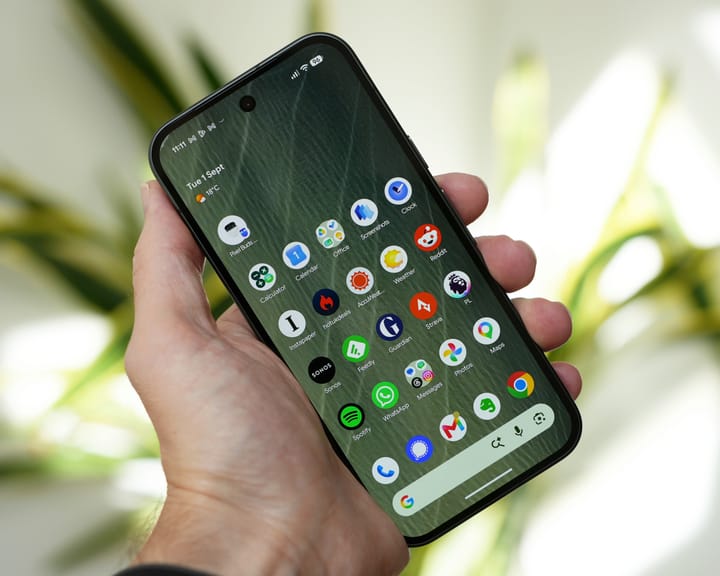
Google's Pixel 11 sets new standard for flagship phones, review finds
Google’s Pixel 11 continues to define what a base flagship phone should deliver, with leading cameras, extended software support and nearly all the features of its pricier siblings.
The standard Pixel 11 is priced at £879 (€999/$899/A$1,499), £80 higher than its previous version, reflecting ongoing
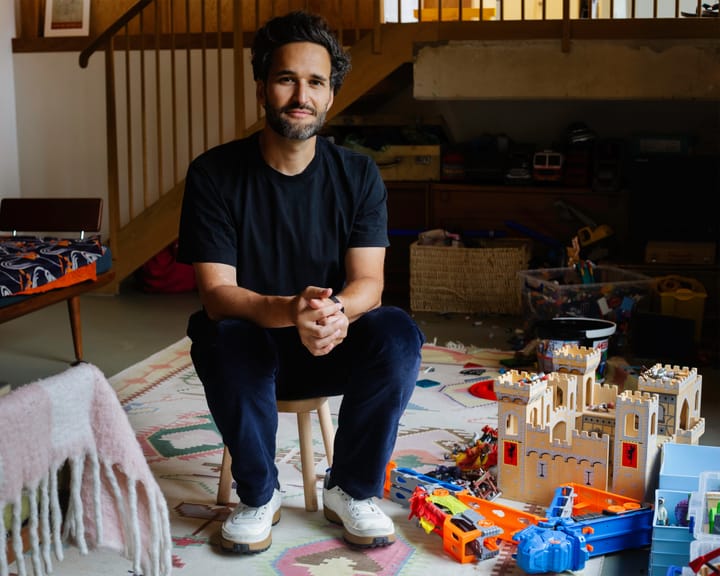
AI Expert Father of Three Shares Essential Insights for Parents on Artificial Intelligence
A father once promised his child they would write a story together called "The Day Nobody Went to Disneyland." The plot imagined a perfect day when the entire world avoided the park, expecting crowds, leaving it completely empty for a father and child to enjoy alone. Three decades