
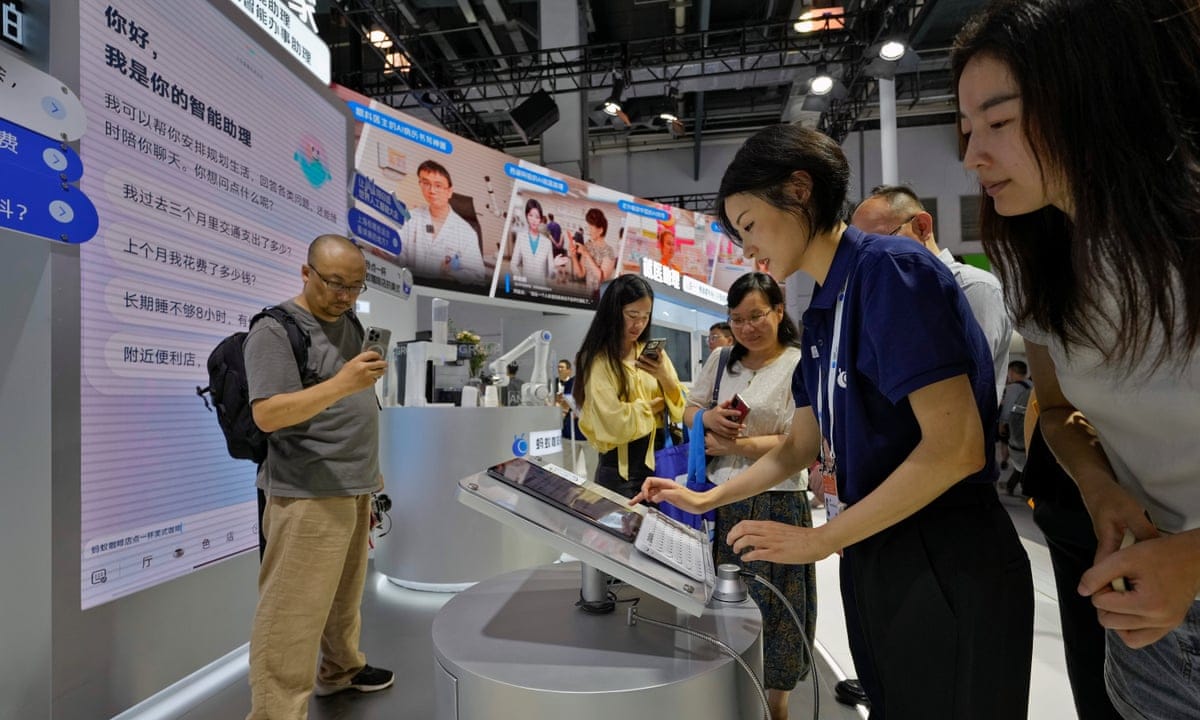
Last week, SenseTime, one of China's leading artificial intelligence companies, unveiled its latest creation at the World AI Conference in Shanghai: SenseNova 5.5. The new model exhibited an impressive array of capabilities, including identifying a stuffed toy puppy sporting a SenseTime cap and offering insights on a rabbit sketch. Additionally, it demonstrated its proficiency by reading and summarizing text from a page within seconds.
SenseNova 5.5 is said to rival GPT-4 from Microsoft's OpenAI in terms of performance, according to SenseTime officials. To attract users further, the company offered 50 million digital tokens as an AI usage reward and committed to supporting new customers transitioning from OpenAI services by providing free assistance with their migration efforts.
This development could make it easier for China's domestic developers to shift their allegiance away from OpenAI, which has been considered a global leader in the field of generative AI. Recently, users within mainland China have faced restrictions on accessing OpenAI services starting July 9th—a move that has escalated tensions between Washington and Beijing, leading to limitations on exporting certain advanced semiconductors essential for cutting-edge AI technology in China.
The sudden decision by OpenAI to limit access to its tools may raise concerns within the international AI community regarding global equitable access to these technologies. In response, Chinese firms like SenseTime have been quick to offer migration services and rewards as an alternative for those previously engaged with OpenAI's offerings. This situation could potentially spur further innovation among China's domestic AI companies in their bid to compete with US counterparts and consolidate their position within the market, which currently boasts over 130 large language models and comprises a significant portion of the global total.
Read next
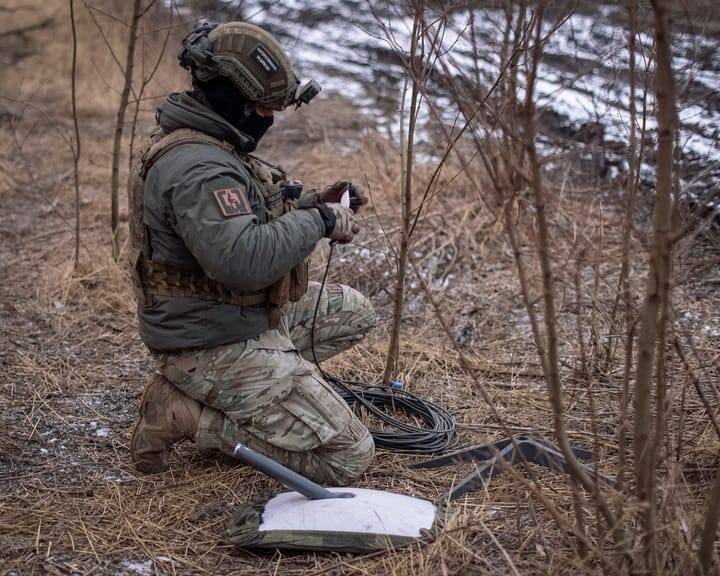
Ukrainian combat troops gain restricted access to Starlink satellite internet
Ukrainian soldiers experienced a sudden disruption in their access to Starlink satellite internet terminals amid increased pressure from the Trump administration for Ukraine to cease long-range attacks on Russia’s oil infrastructure. These terminals, managed by Elon Musk’s SpaceX, are vital for Ukraine's military operations. The

Russia's latest Ukraine attacks show 'disrespect' towards US, says Zelenskyy — Europe live
Sikorski Confronts Musk Over Starlink in Ukraine
Poland’s Foreign Minister Radosław Sikorski recently addressed Elon Musk on X, questioning reported restrictions on Starlink services in Ukraine. Poland contributes significantly to Ukraine’s funding of Starlink, which is crucial for maintaining internet connectivity in Kyiv and its military operations, with

"Breaking Stigma: Nikita Jager's Triumph in Civil Rape Case Against Conor McGregor"
Nikita Hand faced a challenging decision when considering a civil case against Conor McGregor following a 2018 assault. Despite her personal reservations about being an "imperfect victim" due to alcohol and drug use on the night of the incident, she chose to proceed. This decision stemmed from her