
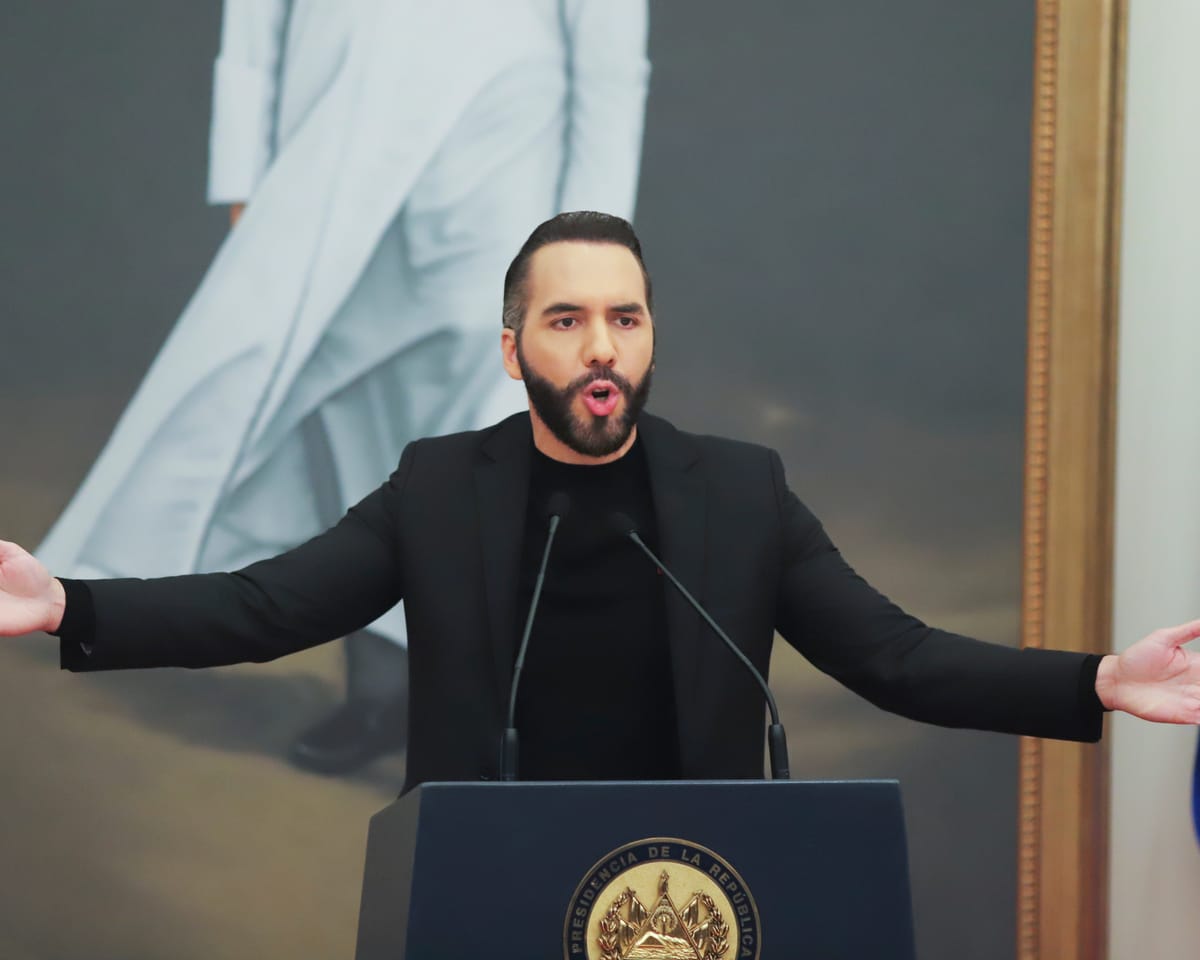
Critics and opposition leaders have cautioned that El Salvador is moving toward authoritarian rule after the country’s legislature eliminated presidential term limits, allowing Nayib Bukele to seek re-election indefinitely.
“Democracy in El Salvador has ended,” opposition lawmaker Marcela Villatoro stated late Thursday as the legislative body—dominated by Bukele’s Nuevas Ideas party, which holds 90% of seats—passed the contentious change with a 57-3 vote.
Villatoro accused legislators of striking a “final blow” to democratic governance during the late-night session. “Today, some celebrate this. Tomorrow, they will regret it,” she said, likening El Salvador’s shift to Venezuela’s democratic decline.
“When all authority rests with one individual, democracy ceases to exist. And once lost, it can take decades to restore,” Villatoro added.
Supporters of Bukele, a 44-year-old leader who once jokingly referred to himself as “the world’s coolest dictator,” welcomed the reforms, which also extend presidential terms from five to six years and move the next election from 2029 to 2027. The runoff voting round will also be eliminated.
Suecy Callejas, one of 54 Nuevas Ideas representatives in the 60-member assembly, posted on social media: “The constitution is not sacred. What matters is the will of the people. And today, more than ever, the people guide our choices.”
Bukele, a key ally of former U.S. President Donald Trump in Latin America, first took office in 2019 and won re-election last year amid strong public backing for his aggressive anti-gang policies, which led to a sharp drop in homicides.
His policies have resulted in the imprisonment of 2% of the adult population and the suspension of legal safeguards, earning him admiration from some conservative politicians in the region and factions within Trump’s base.
However, Bukele’s growing power has alarmed opposition figures and rights advocates. Juanita Goebertus, Americas director at Human Rights Watch, drew parallels between El Salvador’s decision and Venezuela’s 2009 constitutional amendment under then-president Hugo Chávez.
Sixteen years later, Chávez’s successor, Nicolás Maduro, remains in power despite a disputed election last year. “El Salvador is following Venezuela’s trajectory,” Goebertus cautioned. “It begins with a leader leveraging popularity to centralize authority, and it ends in autocracy.”
In a rare interview with international media last year, Bukele claimed he would not seek re-election, citing the constitutional ban—now overturned. “Additionally,” he said, “my wife and I agreed this would be my final term.”
Read next
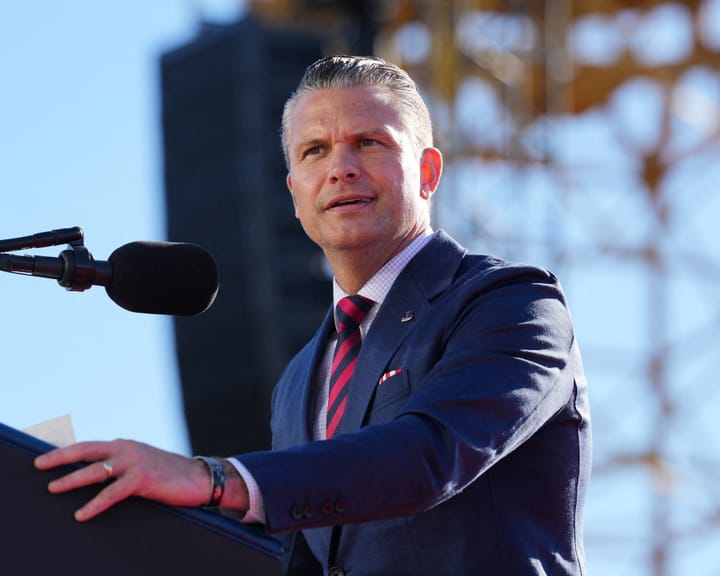
Pete Hegseth's proposal to stream executions aligns US with controversial nations.
If the US defense secretary, Pete Hegseth, proceeds with plans to livestream the execution of a soldier radicalized to extremist Islam, who killed 13 people at a military base in Texas, the US would join a group of lesser powers and rogue actors known for public executions in recent years.
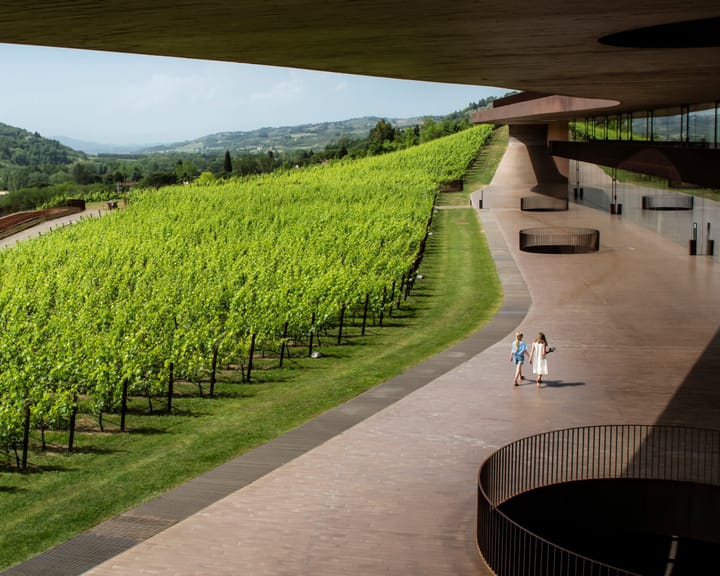
Criminals steal €5m from renowned Italian winery
In a significant theft in Tuscany, thousands of wine bottles valued at €5 million have been stolen from the renowned Marchesi Antinori winery, marking what is considered the largest heist of its kind in Italy. A group of at least seven masked individuals breached the winery's cellar in
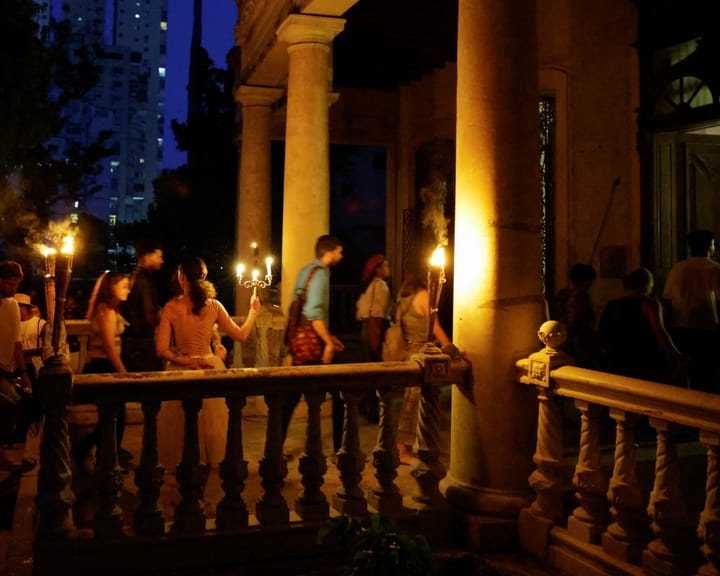
Illuminated Theater in Havana – A Photographic Journey
Widespread blackouts have become more frequent in Cuba since the US imposed energy sanctions in January. These outages often last longer than 24 hours as the aging electrical grid struggles to cope. The Impulso theatre group has been forced to adapt, as the power cuts present significant challenges for the