
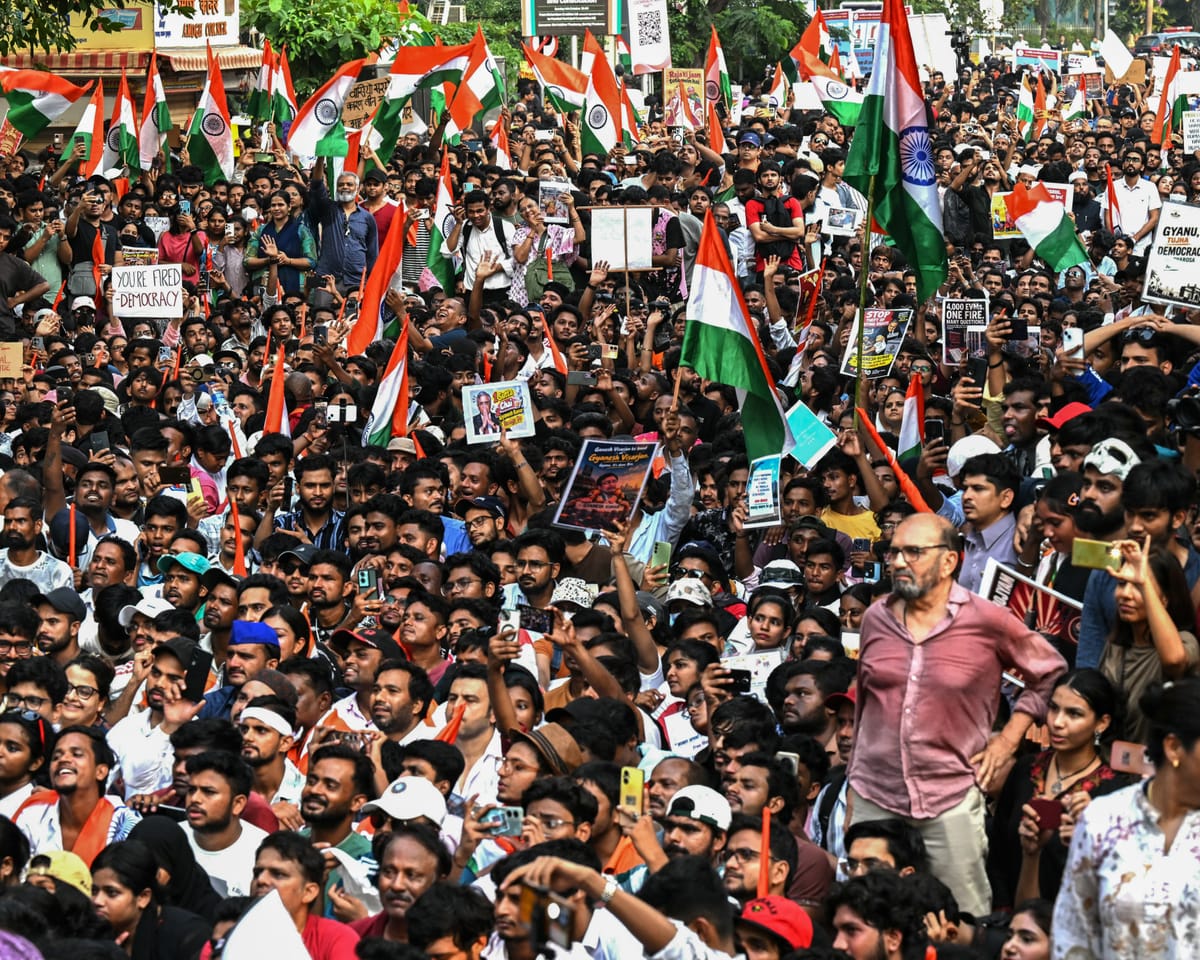
In recent months, India has seen a rise in public discontent due to various political and administrative actions. Central to the current unrest is the demand for the removal of Chief Election Commissioner Gyanesh Kumar and the annulment of a controversial electoral roll revision that removed 130 million people from the voter list. Protests have been occurring daily, with authorities responding with significant force, especially in the capital city.
Over the weekend, Delhi experienced a de facto lockdown, characterized by military-style preparations including barricades, road closures, and a heavy police presence. Authorities canceled numerous trains, closed metro stations, and cut internet services in anticipation of a protest led by the Cockroach Janta party. Founders of the party were intercepted upon arrival at Delhi airport, while opposition leaders faced prolonged detentions. Videos surfaced showing students and activists being detained, with journalists also caught in the crackdown. In Mumbai, Tushar Gandhi was detained to prevent his participation in a demonstration.
Political activist Yogendra Yadav, who was detained, described the response as unprecedented. Despite the intense security measures, small groups managed to stage flash protests. This crackdown follows similar aggressive actions against Congress party protests led by Rahul Gandhi, with dramatic scenes of his detention broadcasted nationwide.
The ruling Bharatiya Janata Party has defended its actions, with spokesperson Ravi Shankar Prasad dismissing the protests as opportunistic following electoral defeats. He emphasized that Indian democracy remains robust against attempts to incite chaos and that governance is to be conducted by the parliament, not the streets.
The current suppression of protests is notable for its scale, though not unprecedented when compared to the government's actions in Kashmir, particularly in 2019. The severity of the response reflects the high stakes for Prime Minister Narendra Modi’s government, which faces significant opposition regarding the Special Intensive Revision (SIR) process and questions about electoral integrity.
Protests began after an investigation revealed concerns from other election commissioners about the SIR process, which critics argue disproportionately affects marginalized communities and benefits the ruling party. Former election commissioner Ashok Lavasa criticized the process as a departure from the Election Commission of India’s historical emphasis on inclusion.
Political activist Yogendra Yadav suggests that the controversy highlights a broader issue of democratic erosion, with the ruling party attempting to maintain legitimacy through control over the electoral process. He envisions potential alliances between opposition parties, civil society, and citizens as a countermeasure.
In response, the Kerela assembly has called for Kumar’s removal, while various groups, including the Cockroach movement, have pledged continued protests. Danish Ali, a student leader, emphasized the enduring nature of democratic protest.
In other news, South African jurist Navi Pillay, of Indian Tamil descent, has been awarded the 2026 Nobel Peace Prize. The US has halted labor certification for several Indian IT firms, citing misuse of its green card program. Maharashtra has announced water cuts due to a significant rainfall deficit.
For a moment of reprieve from the unrest, writer Mayank Austen Soofi recommends visiting the Sufi shrine of Hazrat Sarmad Shaheed in Delhi. Meanwhile, in Madhya Pradesh, an inquiry into the deaths of 32 Indigenous children since June revealed outbreaks of measles and malaria.
Cinematographer Arbab Kamal Khan captures the essence of everyday life, emphasizing the beauty in ordinary moments, particularly those of his elderly parents, depicting them as enduring lovers.
Read next
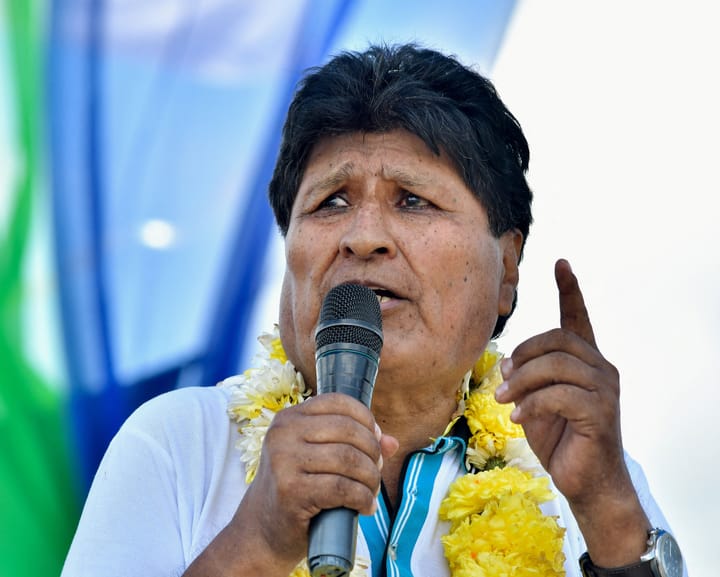
Bolivia Probes Ex-President Evo Morales for Suspected Involvement in 2009 Killings
The Bolivian attorney general has initiated an investigation into former leftist president Evo Morales, citing allegations of his involvement in the murder and torture of European nationals in 2009.
In 2009, police conducted a raid on a Santa Cruz hotel, resulting in the deaths of Eduardo Rózsa Flores, a Bolivian-
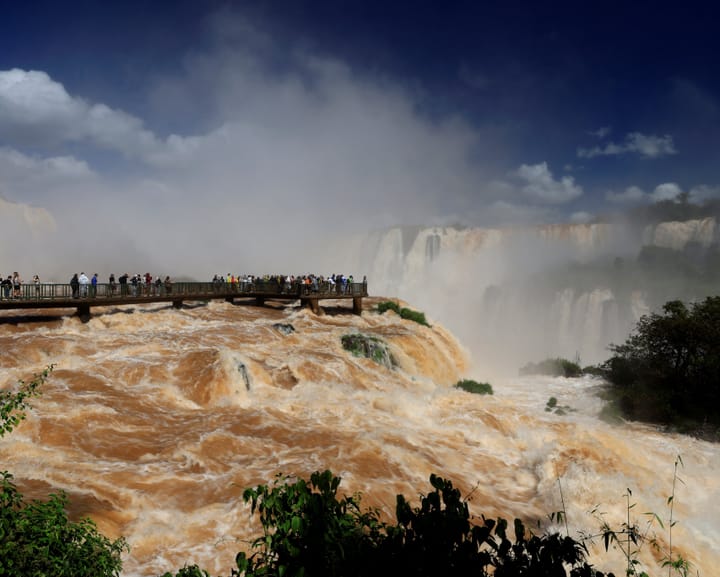
Argentina Closes Iguazu Falls Temporarily Due to El Niño-Induced Water Surge
Heavy rainfall driven by a potent El Niño weather pattern temporarily led Argentinian authorities to close tourist access to the renowned Iguazu Falls. The closure occurred due to concerns that rising water levels might cause the river to overflow its banks.
On Monday, national park officials implemented this precautionary measure
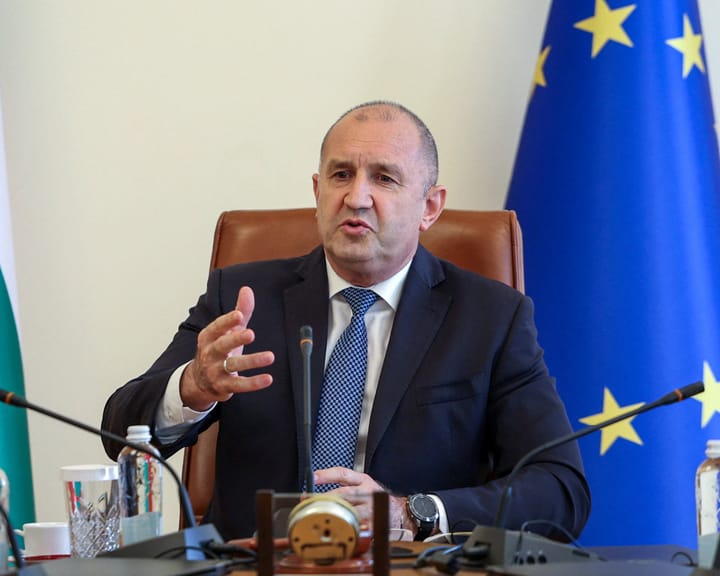
Mysterious Drones Strike Two Vessels Near Bulgarian Coast – Europe Live
Morning Update: Two Ships Targeted by Drones Off Bulgarian Coast
This morning, two ships in the Black Sea near Bulgaria were struck by drones of unknown origin. The attack led to the sinking of one vessel and initiated emergency rescue operations, as reported by Bulgarian Prime Minister Rumen Radev. Rescue