
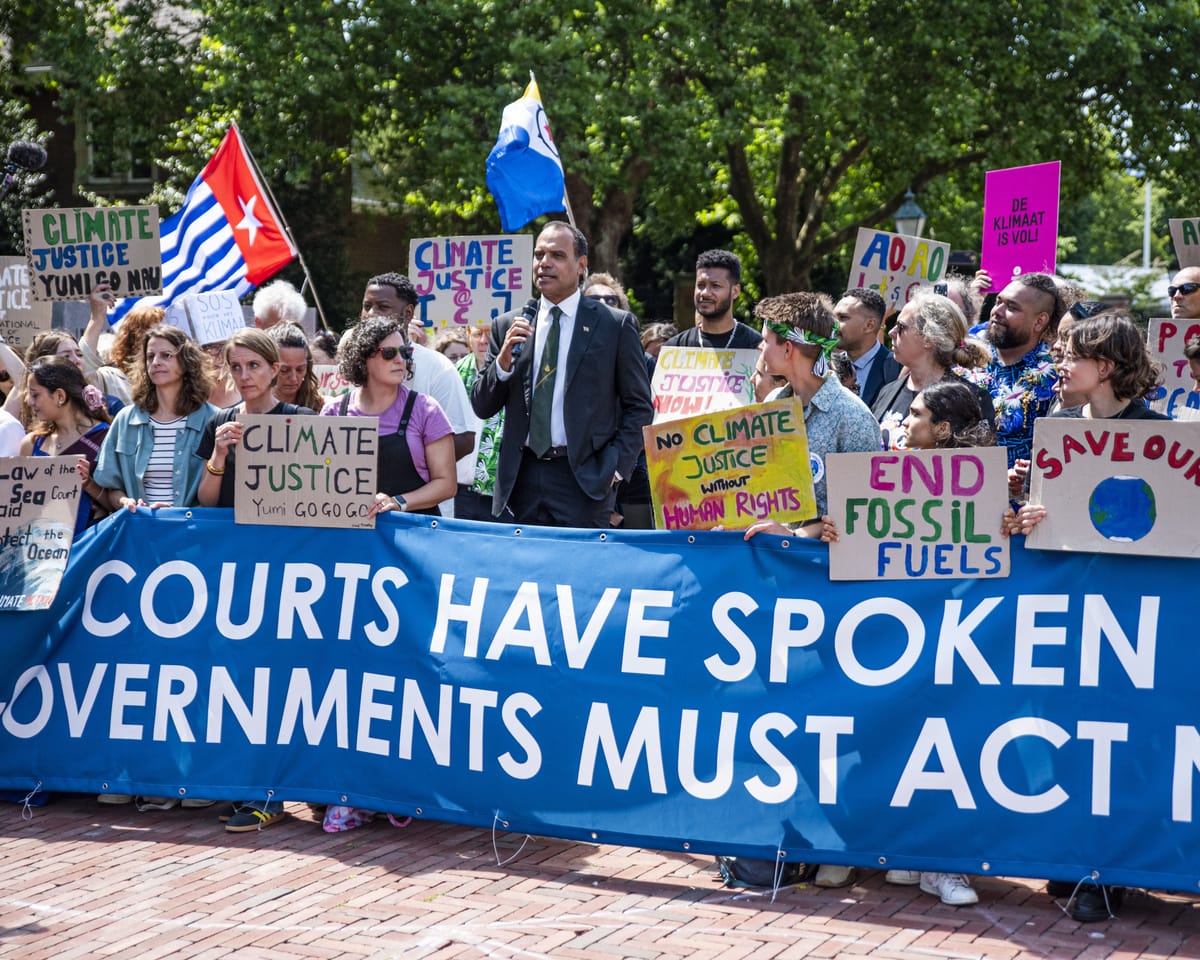
"I’m so nervous about today… it’s going to be OK. Let’s pray."
Those were the quiet but meaningful words of Cynthia Houniuhi on Wednesday morning, moments before the International Court of Justice (ICJ) delivered its significant advisory opinion on climate change at the Peace Palace in The Hague.
In the crowded courtroom, thousands of kilometers from home, tension filled the air. For Houniuhi—one of the original 27 Pacific law students who initiated the legal effort behind this decision—the moment was deeply emotional.
As the judges spoke, her eyes filled with tears. Years of effort and dedication had led to this pivotal moment.
"I was hanging on every word the judge said. I waited, hoping to hear what I longed for. The more I listened, the more emotional I became," Houniuhi said.
"When the judges clarified that states’ responsibilities go beyond the Paris Agreement or climate policies, extending to environmental law, human rights, and customary international law, I cried right there."
The ICJ’s opinion now provides vulnerable communities, including those in the Pacific, with a legal pathway to demand accountability from nations and long-awaited action on climate change.
In the published opinion, the court stated that countries must act to prevent harm to the climate system, with failure potentially leading to compensation or other reparations. It noted that states are responsible for activities that damage the climate, with particular focus on fossil fuels.
For Houniuhi, a young Pacific woman at the heart of this global effort, the victory was not only political but deeply personal—and historic.
"We were there. And we were heard," she said.
The students involved all come from Pacific island nations, some of the most exposed to climate threats. They conceived the strategy to reshape international law by seeking this advisory opinion from the world’s highest court.
Vanuatu, a Pacific nation of around 300,000 people, spearheaded the campaign. It is among the most climate-vulnerable places on Earth and has been identified by the UN as the country most at risk of natural disasters.
Beside Houniuhi sat Vishal Prasad, director of Pacific Islands Students Fighting Climate Change (PISFCC), absorbing the moment.
"I’m still processing everything," Prasad said the following day.
"Cynthia was next to me, along with our Pacific team. Line by line, paragraph by paragraph, it was astonishing. From states’ obligations under the Paris Agreement to acknowledging human rights and the right to a healthy environment—and then to hear the court address fossil fuels so directly—it was remarkable."
Ralph Regenvanu, Vanuatu’s climate minister and an anthropologist, recalled when these students first sought his support.
Read next

Digital Breach Causes Freezing Failure in Two French Supermarket Chains
French supermarket chains Intermarché and Cooperative U have experienced a significant cyber-attack that led to the defrosting of their refrigerators, according to statements from the retailers.
Approximately 150-200 Intermarché locations and nearly 100 Cooperative U stores were targeted in the attack, as reported on Monday. Paris prosecutors confirmed
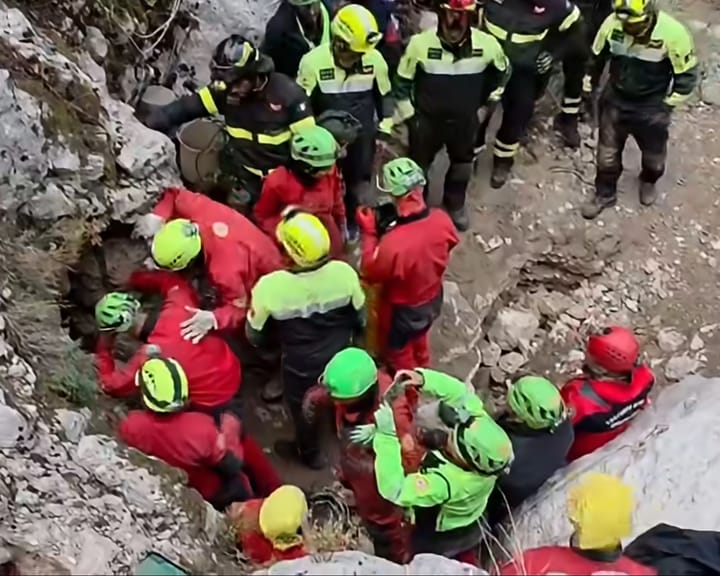
Man Freed from Sardinian Cave After 26-Hour Rockslide Ordeal
A 31-year-old man was rescued alive from a cave on the Italian island of Sardinia after being trapped about 10 meters underground for 26 hours due to a rockslide.
In an extensive and intricate rescue operation, emergency teams worked continuously after Luca Olmetto became trapped in the Gorroppeddu
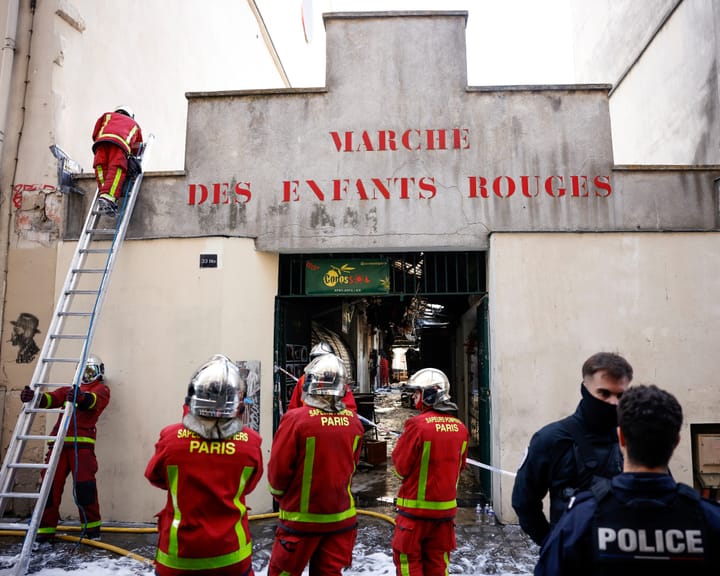
Marché des Enfants Rouges, Known as Paris' 'Coolest Market,' Ravaged by Fire
A devastating fire has swept through Paris's oldest surviving covered food market, a beloved street food destination in the Marais district. This historical venue, which attracted both locals and tourists daily, dates back to the 17th century.
Ariel Weil, the mayor of central Paris, described the Marché des