
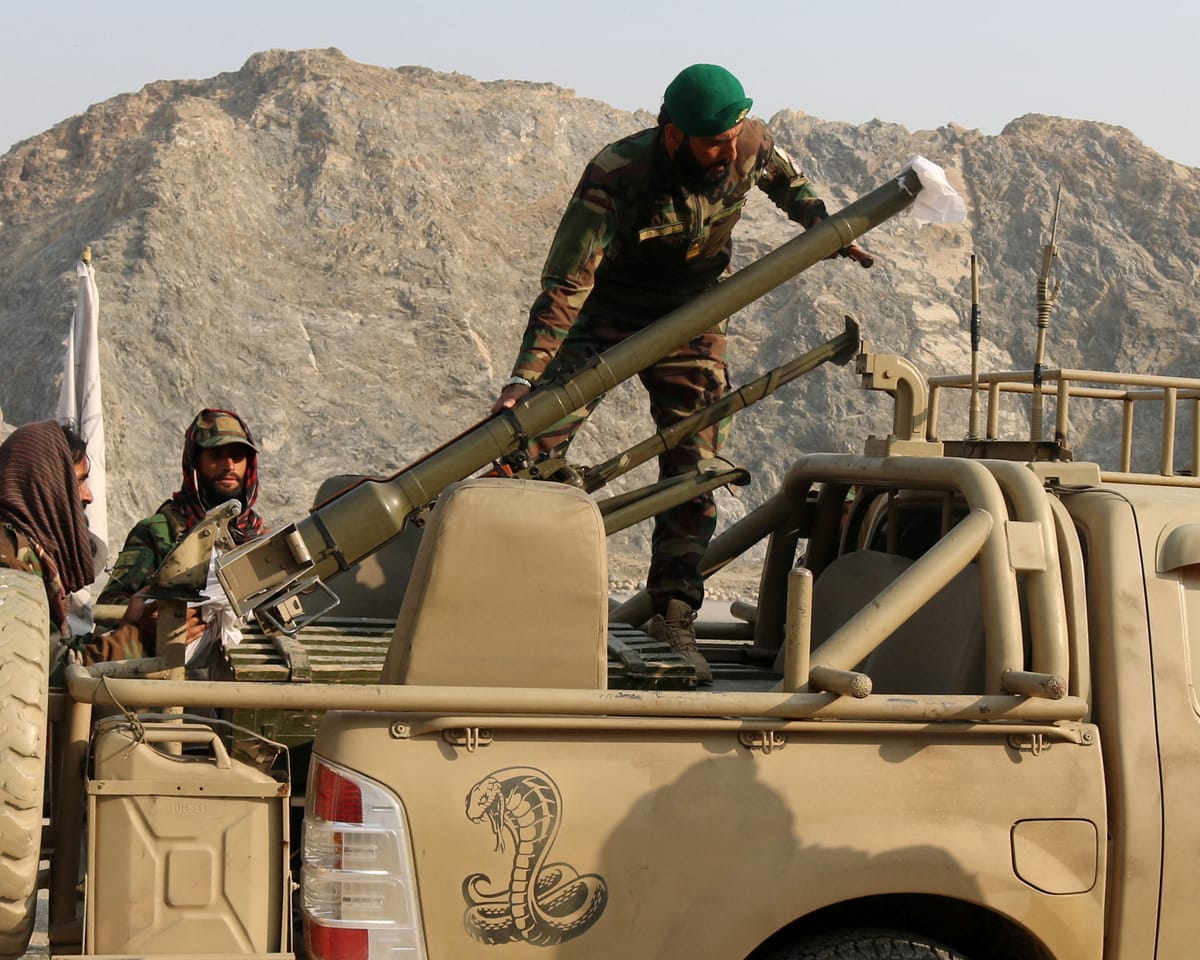
Days after the Taliban seized control in 2021, Pakistan’s former intelligence chief appeared in Kabul, an image many interpreted as a triumph. While sipping tea in the lobby of the capital’s most upscale hotel, Lt Gen Faiz Hameed told reporters, “Don’t worry, everything will be OK.”
This week it became evident how severely Pakistan misjudged its reliance on the Taliban, as Islamabad launched air strikes inside Afghanistan and forces from both sides clashed along the border.
Pakistan’s defence minister, Khawaja Muhammad Asif, said patience had finally run out after repeatedly urging the Taliban to prevent Pakistani militants from using Afghan soil as a base for attacks.
Pakistan’s situation now mirrors the accusations the US‑led coalition leveled against it before 2021: that the Taliban were being allowed to operate from Pakistani territory as a sanctuary.
“This is blowback, big time,” said Kamran Bokhari, senior director at the Washington‑based New Lines Institute. “If you back proxies that challenge your own national identity and narrative, they will not see you as ideologically legitimate, and it is only a matter of time before they turn their weapons on you.”
In 2011, then‑U.S. secretary of state Hillary Clinton warned Pakistan plainly during a visit: “You can’t keep snakes in your backyard and expect them only to bite your neighbours.”
Bokhari added that Afghanistan is not Pakistan’s sole concern on its western front; a weakened Iran could spark trouble on that border, and Tehran is no longer in a position to help Pakistan manage the Taliban.
The Taliban deny that their territory is being used against Pakistan and on Friday again urged Islamabad to negotiate with the militant group responsible for many of the attacks, Tehreek‑e‑Taliban Pakistan (TTP).
The TTP, founded in 2007, carried out a decade of terror across Pakistan but had been weakened in the years preceding the Taliban’s takeover of Kabul. Since then, attacks in Pakistan have surged.
The Taliban and the TTP once fought side by side against international forces in Afghanistan, and the TTP had hosted its jihadist allies in Pakistan. With the Taliban now in power, the TTP sees an opportunity for retaliation.
The TTP claims it wants to impose its own extreme interpretation of Islam on Pakistan, a nation where 95 % of the population is Muslim and the constitution requires all laws to conform to Islamic principles.
Pakistan says it has been forced to make difficult choices amid decades of instability in Afghanistan. After the 9/11 attacks and the U.S. invasion, Islamabad grew wary of what it perceived as India’s influence on the Afghan government.
Analysts note that Pakistan sought a more amenable Afghanistan and viewed the Taliban as the only viable partner, even as it remained formally aligned with the United States.
Read next
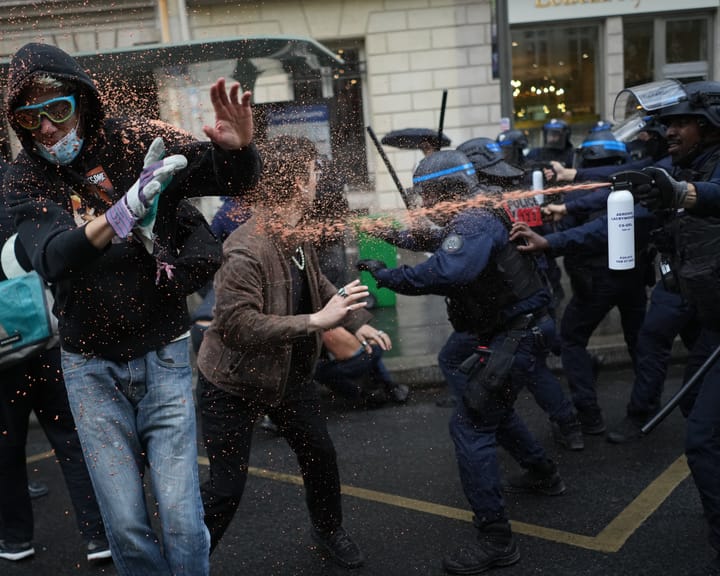
French Minister Refutes Police Brutality Claims Amid Ongoing Student Protests Across France – Europe Live
In recent developments, French Interior Minister Laurent Nuñez has refuted claims of excessive police force during the ongoing student protests in France. He emphasized that police action is only taken in response to violence or property damage. Addressing lawmakers, Nuñez described the protests as "unprecedented" due to the
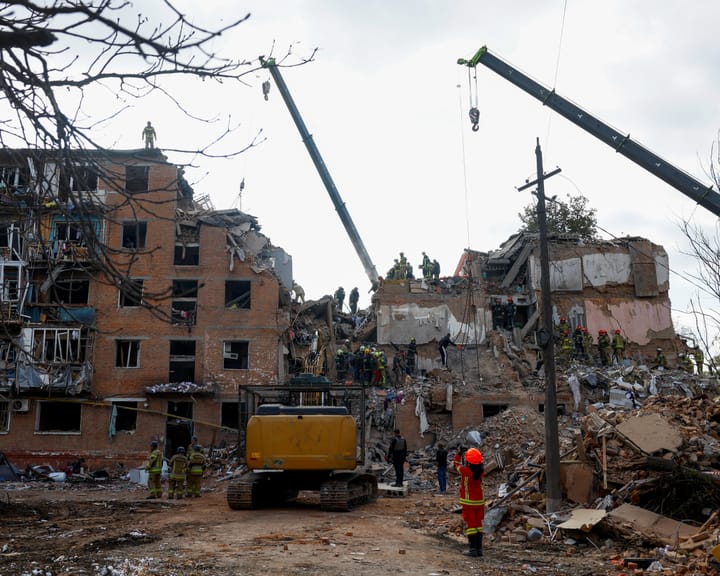
Ukraine Reports Russia Bombed Apartment Building Coinciding with Putin's Birthday
Volodymyr Zelenskyy has accused Russia's military of deliberately targeting civilians and bombing residential buildings as a grim gift for Vladimir Putin, who celebrates his 74th birthday on Wednesday.
Ukraine’s president described Russia’s overnight drone and missile strikes, which killed at least 24 people, as “despicable.” “The
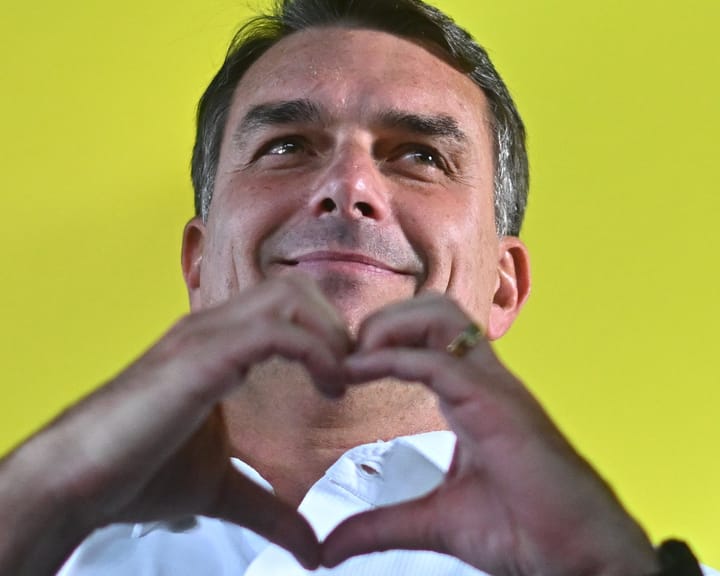
Fears of 'another coup d'état' grow as Flávio Bolsonaro vows to 're-democratise' Brazil
Flávio Bolsonaro, the leading candidate for Brazil's presidency, has promised to "re-democratise" the nation, raising concerns about potential authoritarian governance should he win. Brazil transitioned to democracy in the 1980s after a harsh 21-year dictatorship, a period lauded by Flávio's father, former