
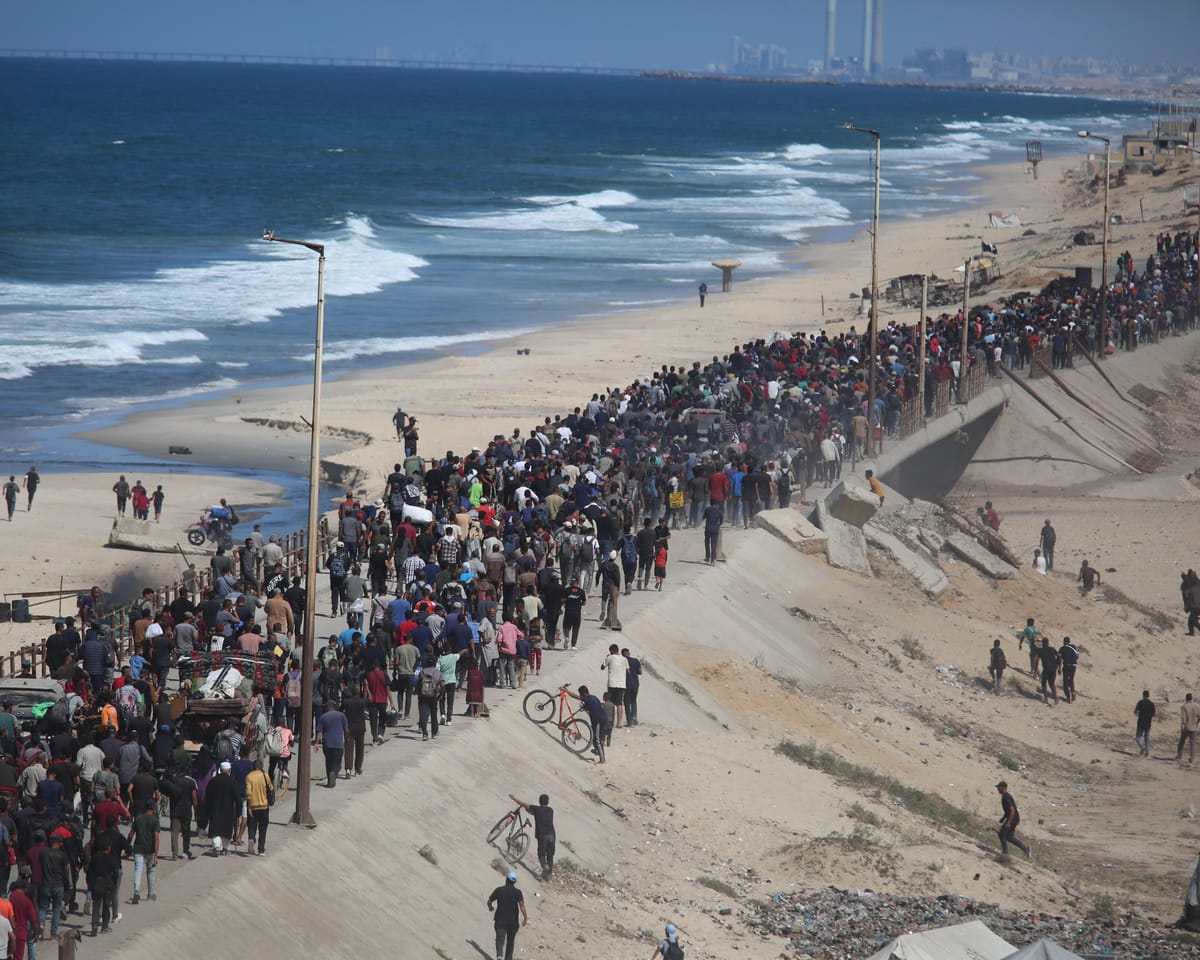
Thousands of displaced Palestinians have started heading back to their homes in southern Gaza after a truce took effect and Israeli forces pulled back to a predetermined line—marking the first halt in hostilities in the devastated area since March.
The Israeli military confirmed the truce deal, which received cabinet approval late Thursday, initiating the first stage of a US-backed proposal to end the conflict in Gaza. The agreement went into force at noon local time (0900 GMT) on Friday. As part of the agreement, Hamas is expected to free 20 living Israeli captives within 72 hours, after which Israel will release 250 Palestinian detainees serving lengthy sentences, along with 1,700 others held in Gaza during the conflict.
Israeli Prime Minister Benjamin Netanyahu asserted that the decision to secure the release of captives was driven by Israel's security concerns. In a statement on Friday, he emphasized that military and diplomatic efforts had been instrumental in reaching the deal, expressing gratitude to US President Donald Trump for his support.
An Israeli military spokesperson, addressing Arabic-speaking audiences, stated that Palestinians in Gaza could head north via designated routes while avoiding certain areas where troops remained, such as Beit Hanoun and the Rafah crossing. Israeli airstrikes had escalated in Gaza on Friday morning, continuing until the truce began.
A government official said on Thursday that Israeli forces would retain control over 53% of Gaza in the preliminary withdrawal phase before the captives were freed. Troops were observed withdrawing from parts of eastern Khan Younis in southern Gaza and the Nuseirat camp in central Gaza, though military presence persisted elsewhere in the region.
As news of the truce spread, large groups of Palestinians began moving north toward Gaza City, the area's most populous urban center. Close to half a million Palestinians from northern Gaza had been displaced due to military operations in the city, with many now seeking to return.
Images showed crowds traveling along the coastal road, previously inaccessible to returnees.
"My home is still standing, but everything around it is ruined," said Ismail Zayda, 40, from Gaza City’s Sheikh Radwan neighborhood. "Entire areas have been wiped out," he added in remarks to Reuters.
The truce is expected to facilitate increased humanitarian and medical assistance into Gaza through all five entry points into the isolated territory. Reports from Israeli Army Radio indicated that 600 aid trucks would be allowed into Gaza daily, nearing pre-conflict levels.
The aid is urgently needed, as severe food shortages persist, with some areas facing famine-like conditions, according to international assessments.
Read next

Teen's Mountaineering Attempt with Claude Ends in Emergency Rescue in Canadian Mountains
The Widowmaker Arete, a towering 1,700-foot wall in British Columbia, is misleadingly labeled as featuring "mostly easy slab climbing" with "short steep sections" including "finger cracks" and "blocky face climbing." Climbing it necessitates meticulous planning and the appropriate gear.
Last

Fading Royal Line: Growing Advocacy for Princess Aiko to Ascend Japan’s Throne
Princess Aiko, 24, is a prominent figure in Japan, often featured on magazine covers and sought after by fans for her fashion sense. Her public appearances draw large crowds eager to see her, admired for her elegance and presence. Despite her popularity, she is barred by law from becoming empress,
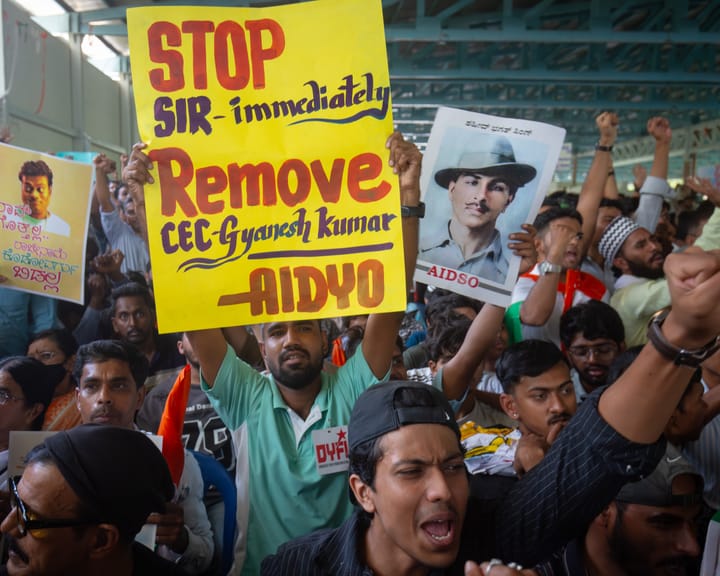
India's 'Cockroach' Party Accuses Government of Detaining Members Before Weekend Protest
India’s Cockroach Janta Party (CJP), initially a satirical movement, is now gaining political traction among Gen Z as it faces mass detentions ahead of a major anti-government protest in Delhi. The opposition, alongside student groups and the CJP, has been organizing nearly daily protests, demanding the resignation of