
international investment and government revenue, yet many citizens see little benefit from these resources. Corruption and mismanagement have frequently been cited as major issues.
Dame Meg Taylor recalls the early days of Papua New Guinea’s independence with deep nostalgia. As part of Sir Michael Somare’s team—who later became the country’s first prime minister—she remembers the excitement of building a new nation.
“There was a lot of hope,” said Taylor, a diplomat and former leader of a regional Pacific organization.
“I still cherish memories of sitting on the old office steps, thinking about the incredible chance we had to shape our future.”
Now, as the country approaches its 50th year of independence, Taylor and other key figures reflect on struggles to meet early expectations. CuriosityNews spoke with political leaders, military officials, and constitutional experts from Papua New Guinea and the wider Pacific region.
Their discussions describe a nation grappling with instability, crime, and uncertainty about its direction. Major concerns include governance, public safety, and access to basic services in a country of nearly 12 million. Views varied on potential solutions, as well as the role of Australia—its nearest neighbor and former colonial power. Still, many emphasized the strength of the people and their hope for the future.
Peter O’Neill, who served as leader from 2011 to 2019, acknowledged that the country’s founders would be dissatisfied with its current state.
"If they were here today, they would be deeply disappointed in our direction," O’Neill told CuriosityNews.
“We have a land rich in resources and resilient people. What we need now is better leadership and unity,” he added.
‘A New Chapter’
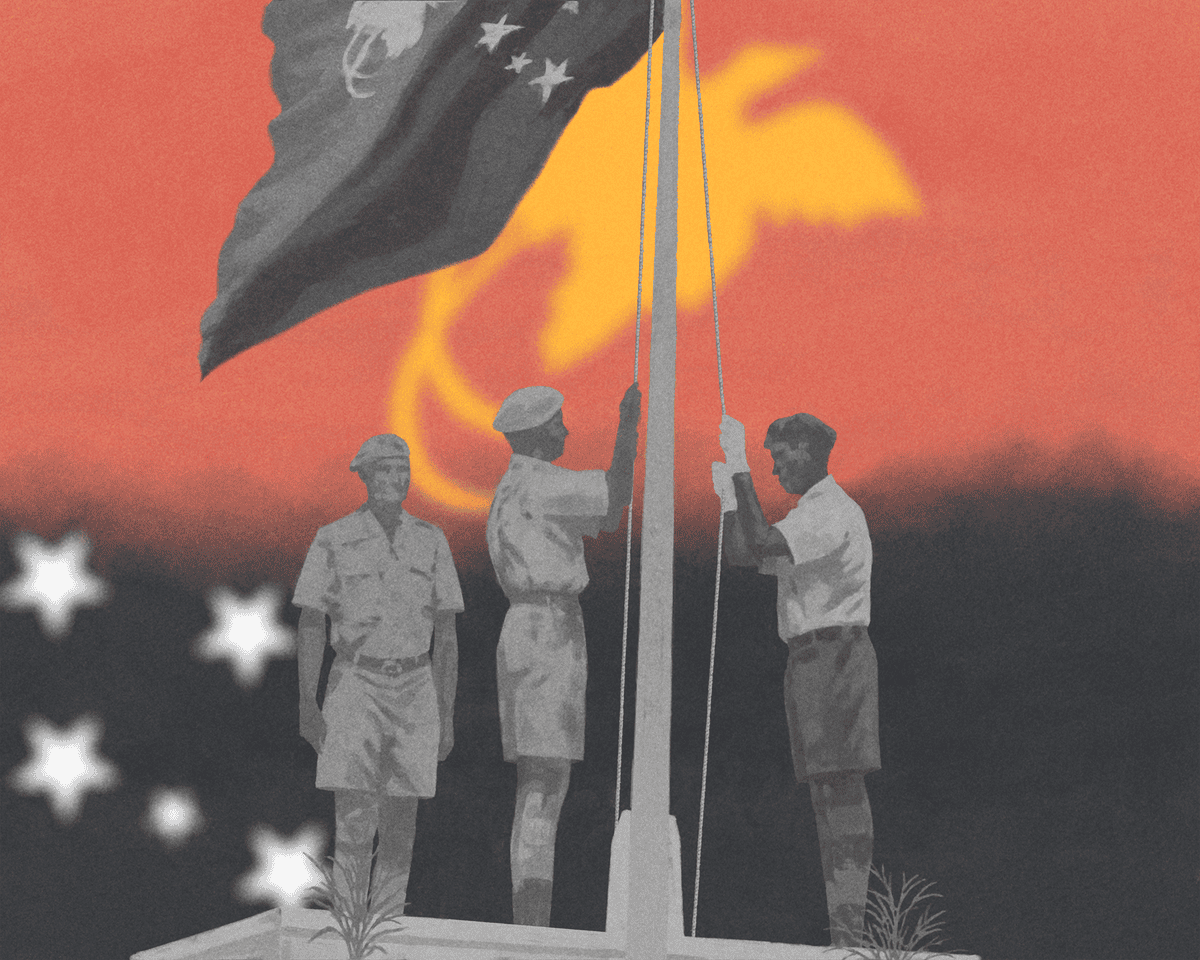
Previously under Australian administration, Papua New Guinea combined the former British territory of Papua and the German-held New Guinea. In 1972, an Australian leader pledged to transition the territory to self-rule, a promise fulfilled on 16 September 1975. That night, in a live broadcast, Somare addressed the nation, saying, “This is only the start. Now, we must work harder than ever to shape our future.”
Today, Papua New Guinea is the Pacific’s second-largest nation by land area, with a rapidly growing population. However, nearly 40% live in poverty, and many regions suffer from crime and instability. Basic healthcare and education remain inaccessible for much of the population, and child mortality rates far exceed those of wealthier neighbors.
Despite vast natural resources—gold, copper, oil, and gas driving most economic activity—most citizens have yet to see significant benefits. Challenges such as corruption and inefficient governance persist.
Read next
Bolivia Probes Ex-President Evo Morales for Suspected Involvement in 2009 Killings
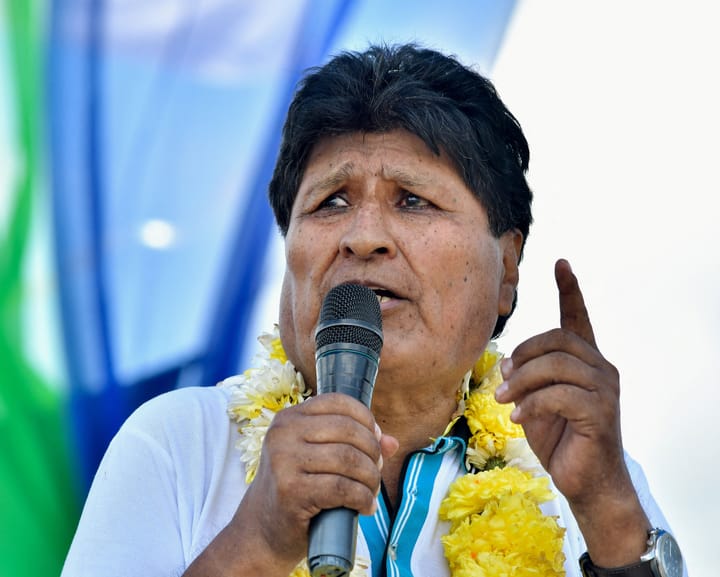
The Bolivian attorney general has initiated an investigation into former leftist president Evo Morales, citing allegations of his involvement in the murder and torture of European nationals in 2009.
In 2009, police conducted a raid on a Santa Cruz hotel, resulting in the deaths of Eduardo Rózsa Flores, a Bolivian-
Argentina Closes Iguazu Falls Temporarily Due to El Niño-Induced Water Surge
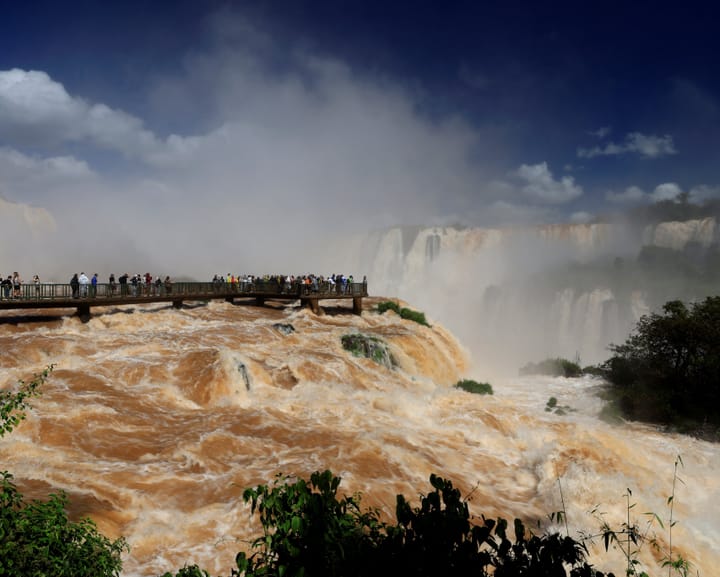
Heavy rainfall driven by a potent El Niño weather pattern temporarily led Argentinian authorities to close tourist access to the renowned Iguazu Falls. The closure occurred due to concerns that rising water levels might cause the river to overflow its banks.
On Monday, national park officials implemented this precautionary measure
Mysterious Drones Strike Two Vessels Near Bulgarian Coast – Europe Live
Morning Update: Two Ships Targeted by Drones Off Bulgarian Coast
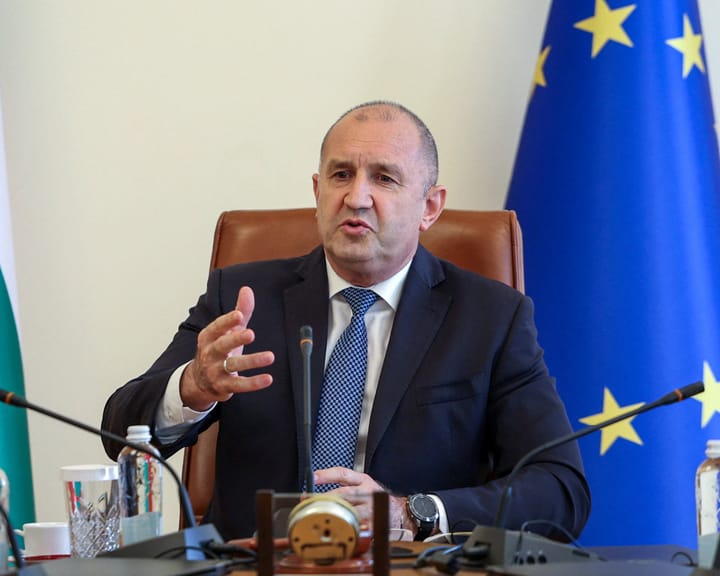
This morning, two ships in the Black Sea near Bulgaria were struck by drones of unknown origin. The attack led to the sinking of one vessel and initiated emergency rescue operations, as reported by Bulgarian Prime Minister Rumen Radev. Rescue