
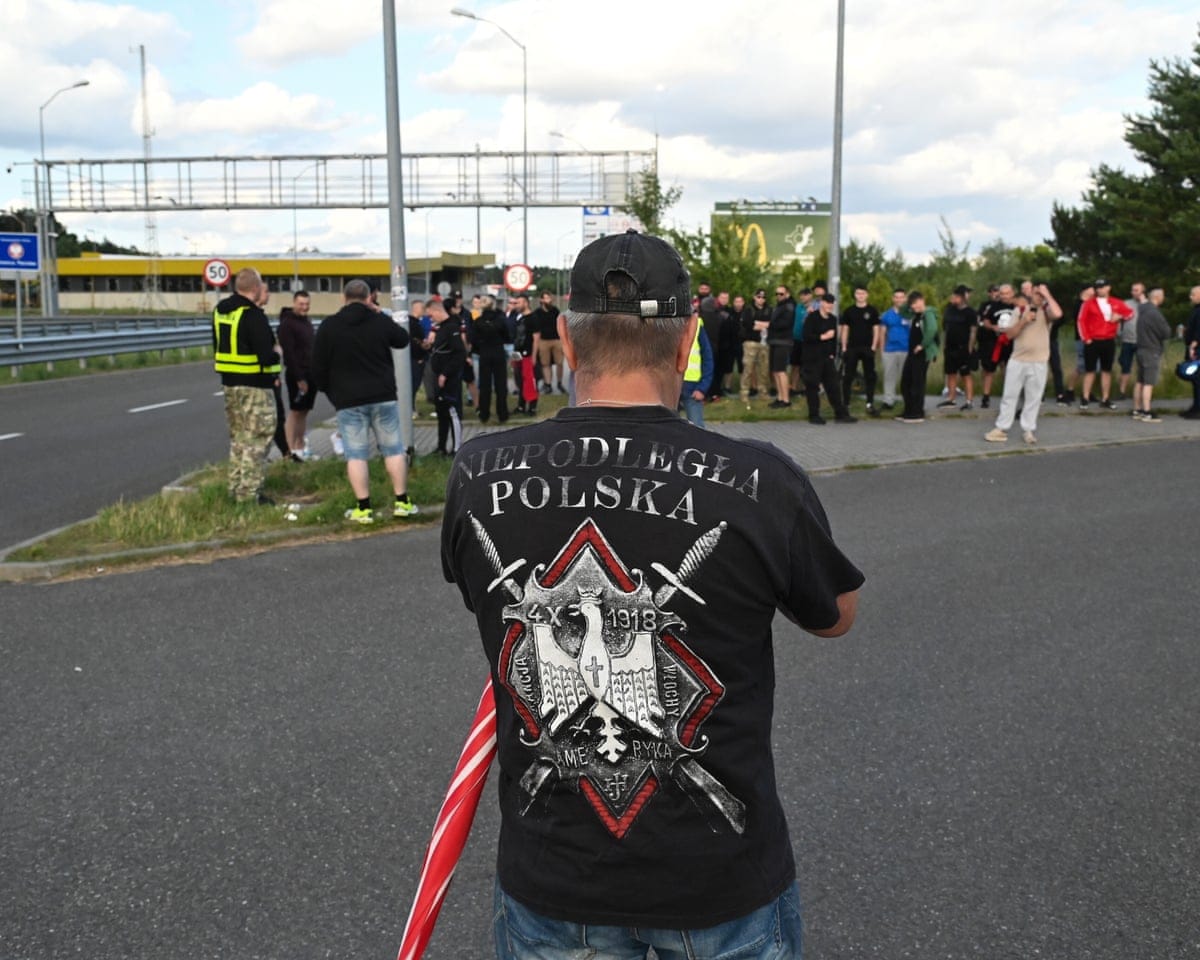
Poland to Implement Temporary Border Controls with Germany and Lithuania Amid Migration Concerns
Poland will introduce temporary border checks with Germany and Lithuania starting next Monday, Prime Minister Donald Tusk announced, citing increasing concerns over irregular migration.
The decision follows a government meeting with Polish border officials on Tuesday, amid rising political pressure and recent protests led by far-right groups at border crossings with Germany.
During the weekly cabinet meeting, Tusk attributed the move to Germany's policy adjustments, which he claimed had led to migrants being denied entry while attempting to seek asylum or other legal status in Germany.
“The operational procedures at the Polish-German border have significantly shifted in recent weeks,” he stated.
German Chancellor Friedrich Merz had emphasized stricter migration policies during his election campaign earlier this year. After taking office in May, Germany increased police presence at its borders and announced that some individuals would be refused entry.
Even before this change, Merz’s predecessor had extended temporary border controls for another six months in February, an initial measure introduced last autumn to reduce arrivals.
Tusk argued that Germany’s tightened policies had unfairly increased pressure on Poland to accommodate those turned away at its border.
“Without border controls on Poland’s side, it is difficult to determine whether those redirected should remain here,” he said.
He noted he had repeatedly discussed the issue with Merz, cautioning that Poland’s “tolerant approach was reaching its limit.”
“Poland has upheld the principles of the Schengen zone and supports free movement in Europe. However, such a system demands equal responsibility from all neighboring nations,” he added.
“Temporary border controls along the Polish-German frontier are necessary to minimize unregulated migrant movement.”
Under EU regulations, member states may temporarily reinstate border checks in response to serious threats, such as security concerns, though these should be used sparingly and for a limited duration.
Tusk warned that if Germany unilaterally extends border controls in September, Poland would respond in kind. “The era of Poland not reacting to such measures is over,” he said.
In recent weeks, migration debates in Poland have intensified, with far-right activists conducting patrols near the German border.
The decision to implement temporary checks at the Lithuanian border is reportedly connected to Germany’s policy shift.
Read next
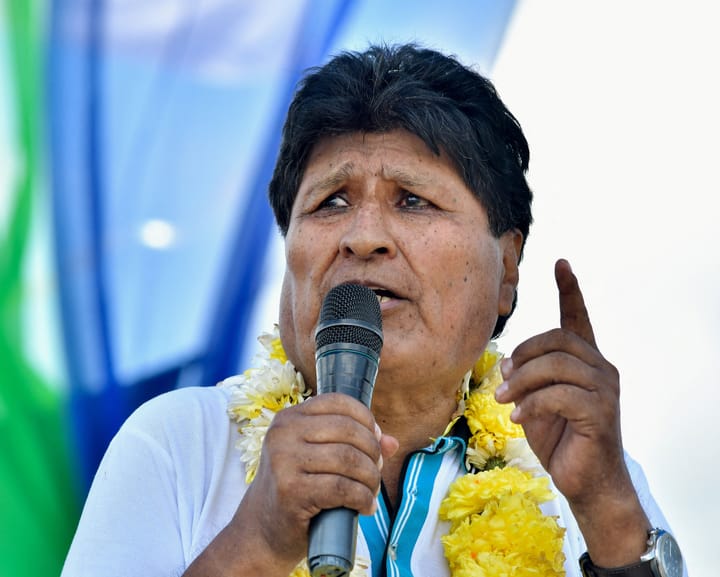
Bolivia Probes Ex-President Evo Morales for Suspected Involvement in 2009 Killings
The Bolivian attorney general has initiated an investigation into former leftist president Evo Morales, citing allegations of his involvement in the murder and torture of European nationals in 2009.
In 2009, police conducted a raid on a Santa Cruz hotel, resulting in the deaths of Eduardo Rózsa Flores, a Bolivian-
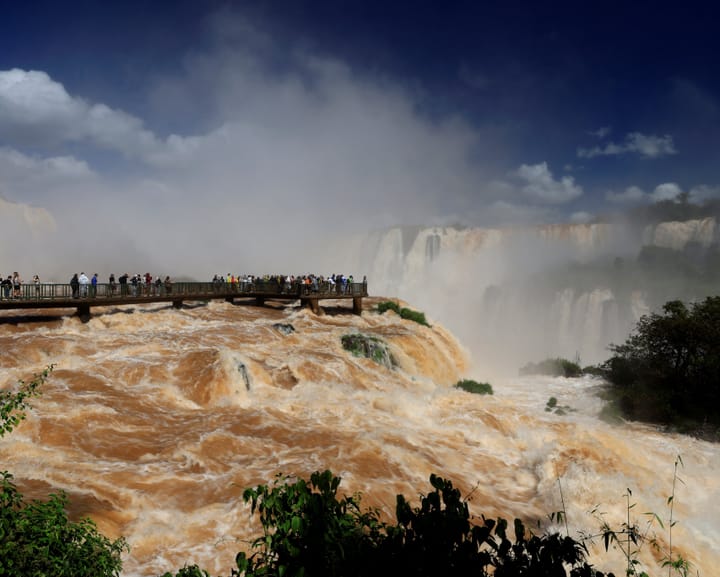
Argentina Closes Iguazu Falls Temporarily Due to El Niño-Induced Water Surge
Heavy rainfall driven by a potent El Niño weather pattern temporarily led Argentinian authorities to close tourist access to the renowned Iguazu Falls. The closure occurred due to concerns that rising water levels might cause the river to overflow its banks.
On Monday, national park officials implemented this precautionary measure
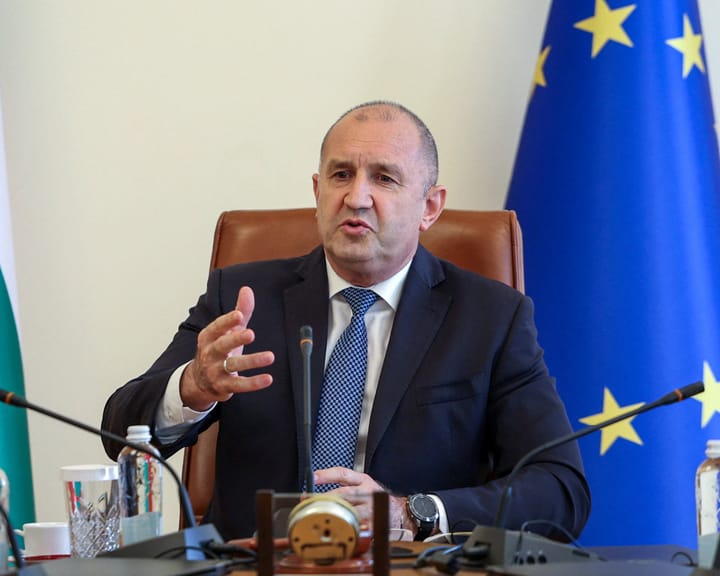
Mysterious Drones Strike Two Vessels Near Bulgarian Coast – Europe Live
Morning Update: Two Ships Targeted by Drones Off Bulgarian Coast
This morning, two ships in the Black Sea near Bulgaria were struck by drones of unknown origin. The attack led to the sinking of one vessel and initiated emergency rescue operations, as reported by Bulgarian Prime Minister Rumen Radev. Rescue