
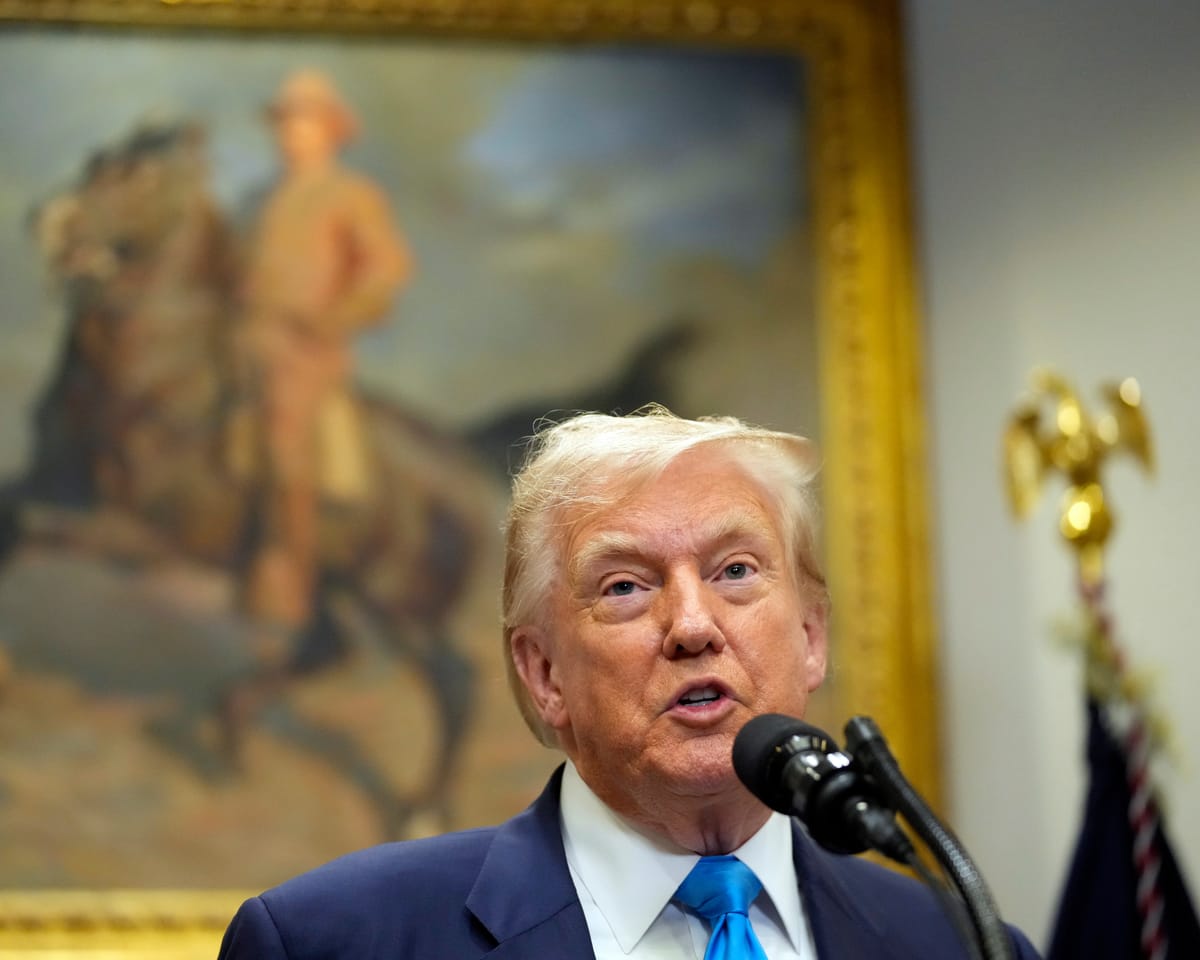
Americans are facing financial difficulties, dealing with debt and higher living expenses, and many hold the Trump administration and corporate interests responsible for worsening economic conditions for working families, a recent survey shows.
Six in 10 respondents blame the Trump administration for increasing their cost of living, according to a poll conducted by Morning Consult for the Century Foundation. The survey, which included 2,007 participants, examined how people are coping with economic pressures, who they hold accountable, and what solutions they see as viable.
Nearly 63% said Trump negatively impacted grocery prices, while 61% said his policies worsened overall living costs. About 49% reported that the administration had a negative effect on their personal finances. Additionally, nearly 80% of Americans, including 70% of Republicans, expressed concern that Trump’s tariffs would push up prices on everyday items.
“Donald Trump’s policies have escalated prices through unpredictable trade measures, cuts to programs supporting healthcare, education, food, and childcare affordability, and weakening federal oversight that prevents corporations from exploiting consumers,” said Julie Margetta Morgan, president of the Century Foundation.
"This has led to troubling economic conditions. Many are struggling with high expenses and stagnant wages, forced to rely on credit cards, installment loans, payday loans, and student debt as makeshift safety nets. Meanwhile, companies face little restraint in maximizing profits at consumers’ expense."
The survey found that over 60% of respondents believe securing well-paying jobs, purchasing homes, and affording childcare have become harder.
Eighty-three percent expressed concern about grocery prices, with 46% saying they were very worried. About 47% feared being unable to pay rent or mortgages, while 64% were anxious about unexpected medical costs.
Nearly half (48%) doubted they could cover an unexpected $500 expense without borrowing, with a quarter calling it "very difficult."
One in four respondents spent at least three hours daily worrying about finances and basic needs. Another 25% reported skipping meals in the past year to manage expenses, and 26% had fallen behind on bills.
A majority (76%) also feared an impending economic downturn.
Corporations and billionaires were viewed as major contributors to financial stress, with 51% blaming corporate influence for making life harder for ordinary people.
Read next
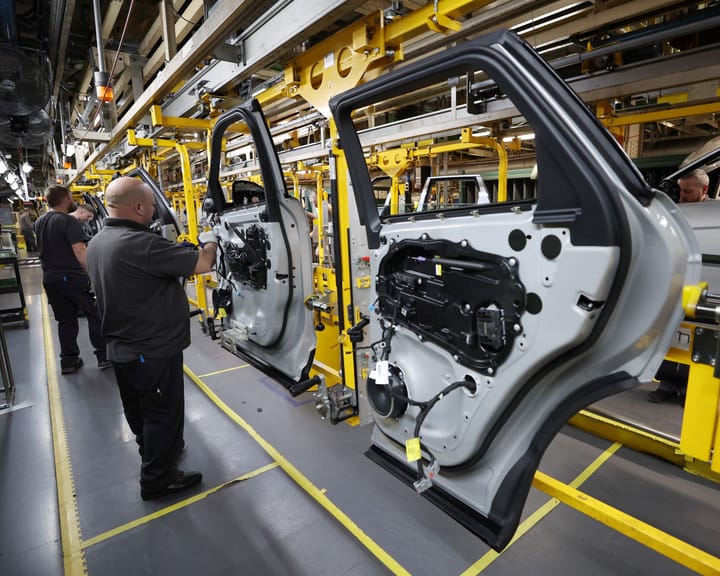
Jaguar Land Rover suppliers voice ‘everything is against us’ amid cutbacks
David Roberts, chair of Coventry-based Evtec, says the outlook for Britain’s automotive sector is grim, with “everything against us.” Evtec is a tier 1 supplier to Jaguar Land Rover, which this week announced 4,000 job cuts over two years despite chancellor John Healey’s attempt to talk

Europe’s fighter jet plans in disarray: what comes next?
When former ECB president and Italian PM Mario Draghi urged Europe to catch up economically with the US and China, defence collaboration was prescribed. No more should each nation build independent boats, tanks or jets; allies should share costs and technologies.
Europe stumbled at the first hurdle. German Chancellor Friedrich
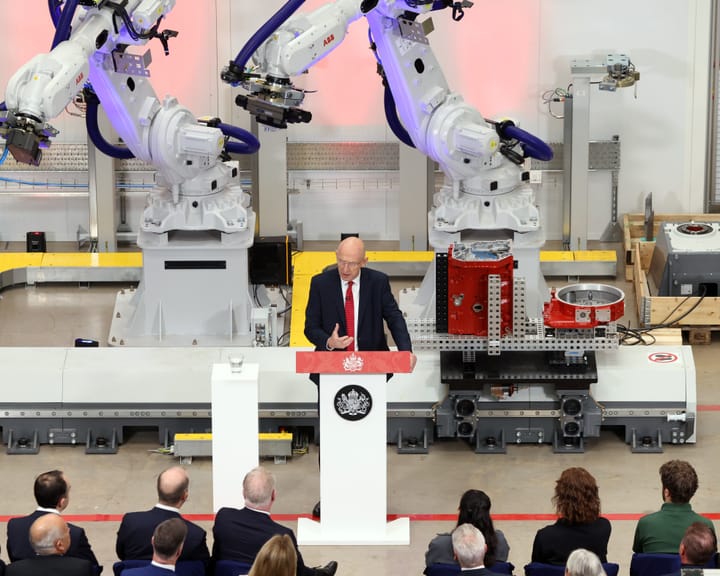
John Healey supports growth but insists Labour must be truthful about spending
John Healey has stated that his primary goal as chancellor will be to boost economic growth, while acknowledging that Labour must be straightforward about controlling public spending at next month's budget.
In his first major address since assuming the role in July, Healey said the leading focus of