
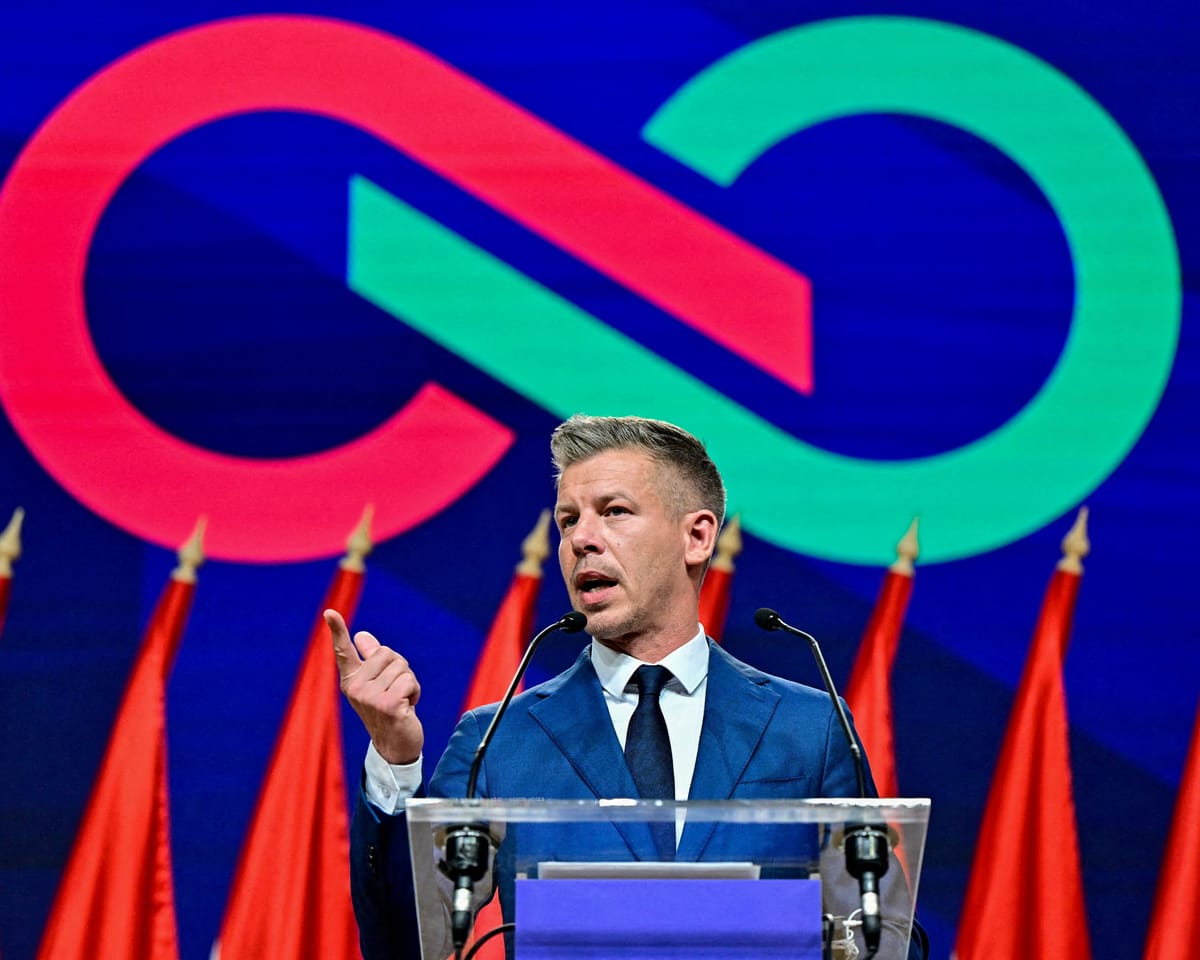
More than three‑quarters of Hungarians who backed Péter Magyar in last month’s election say his government should do more to tackle the climate crisis, and over 70 % want him to protect LGBTQ+ rights, according to a recent poll.
Magyar’s opposition Tisza party secured a supermajority, ending Viktor Orbán’s 16‑year rule. The new prime minister will take office on Saturday, following celebrations in Budapest and Brussels that followed the vote.
Although Magyar previously belonged to Orbán’s right‑wing Fidesz party and avoided progressive statements during the campaign—likely fearing backlash from the roughly 80 % of Hungary’s media loyal to Fidesz—the poll conducted days after the election and released on Thursday shows his supporters lean progressive, highlighting the tensions the new administration faces.
About 77 % of Tisza voters surveyed endorsed an ambitious climate policy, while 71 % said they support or somewhat support the government safeguarding LGBTQ+ rights, a domain that saw major rollbacks under Orbán.
Pawel Zerka of the European Council on Foreign Relations, which commissioned the survey, remarked, “That was my biggest surprise in this polling. There is a very clear mandate for the new government to adopt a more progressive stance. Yet it hinges on whether Magyar looks to his own base or the broader electorate, as the Hungarian public remains sharply divided on these issues.”
The specific steps Magyar and his cabinet intend to take on climate and LGBTQ+ matters remain unclear, despite more than two years of campaigning and a 240‑page election manifesto.
The poll also reveals other pressures on the government. While voters overwhelmingly demanded change, they are split on key EU concerns such as backing for Ukraine and reducing reliance on Russian energy. Sixty‑four percent expect the new administration to improve ties with Kyiv, but only 24 % favour Budapest providing financial aid to Ukraine and 12 % support military assistance. Moreover, 52 % oppose halting the country’s Russian energy imports.
Zerka added, “Péter Magyar’s landslide victory was a call for domestic reform, not a geopolitical reversal. Hungarians are ready to leave behind years of corruption and isolation, yet they have drawn firm red lines around energy independence and national security—factors that Brussels must respect.”
The results indicate that the EU’s attempt to reset its relationship with Hungary—long strained by Orbán’s portrayal of Brussels as an enemy of the Hungarian people—will need to navigate these internal contradictions.
Read next
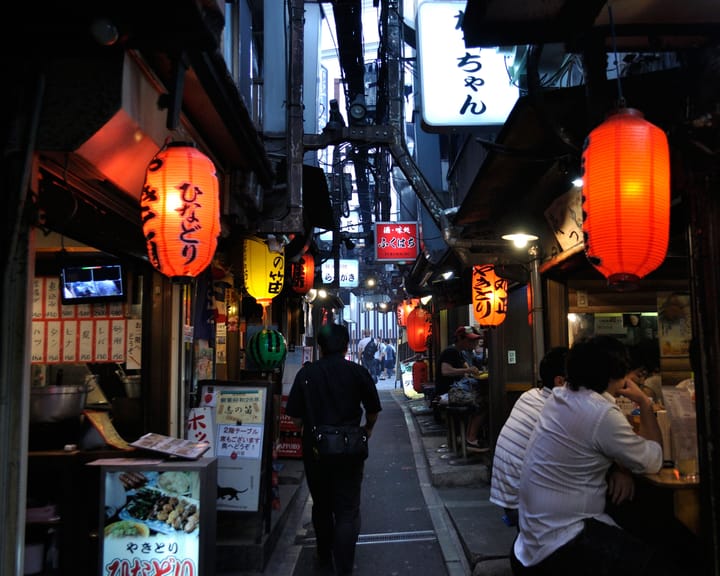
Tokyo tourist hotspot outlaws short-term rentals amid complaint surge
Shinjuku Ward, Tokyo, has moved to ban short-term rental accommodations in residential areas and near schools and important cultural sites, following a slew of complaints about visitor behaviour. The decision, to be enacted through a local ordinance, marks the latest sign that Japan’s patience with mass tourism is
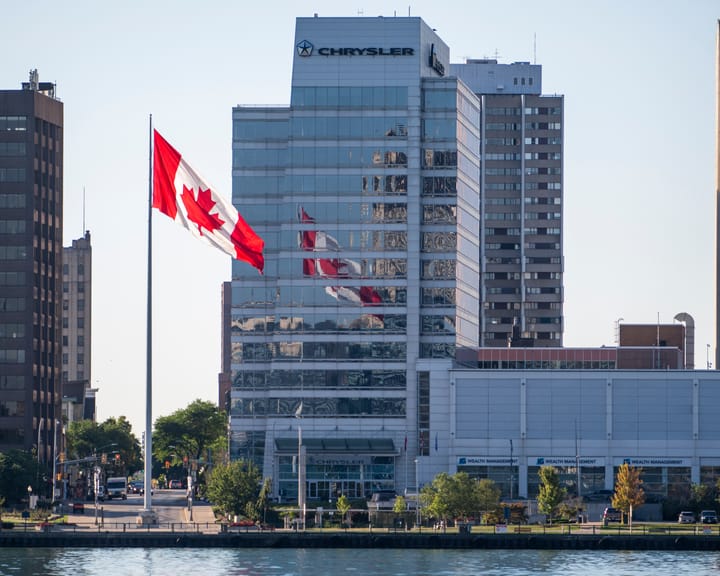
Canada implements retaliatory US tariffs as trade dispute intensifies
Canada’s retaliatory tariffs on about $20 billion worth of American imports took effect at 12.01am on Tuesday, ranging from 15% to 50% and applying to steel, dairy, appliances, agricultural equipment, pulp and paper, and electronics. The measures, a response to the United States’ 50% tariff on $20 billion
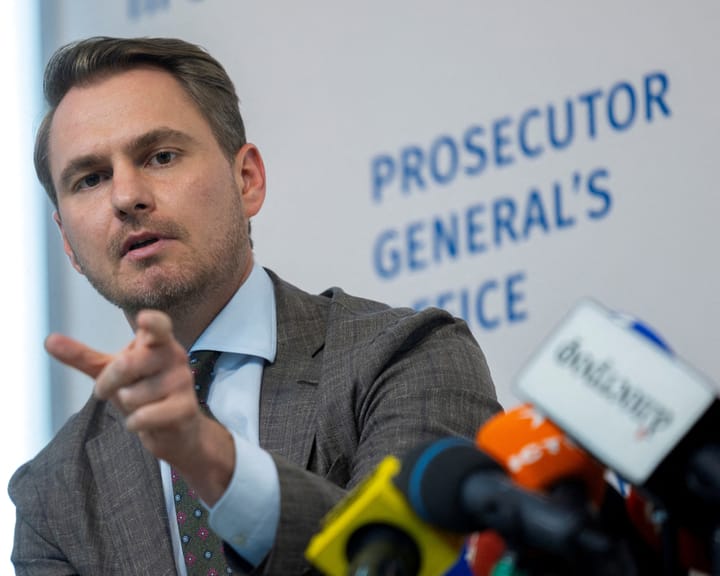
Prosecutor general resigns amid political turmoil in Kyiv during Ukraine war
Ukraine’s prosecutor general Ruslan Kravchenko resigned amid corruption accusations after anti-graft officers searched his offices at the weekend. He called the allegations “completely unsubstantiated” and denied wrongdoing. The National Anti-Corruption Bureau (NABu) and Specialised Anti-Corruption Prosecutor’s Office (Sapo) announced Saturday they uncovered a money-laundering