
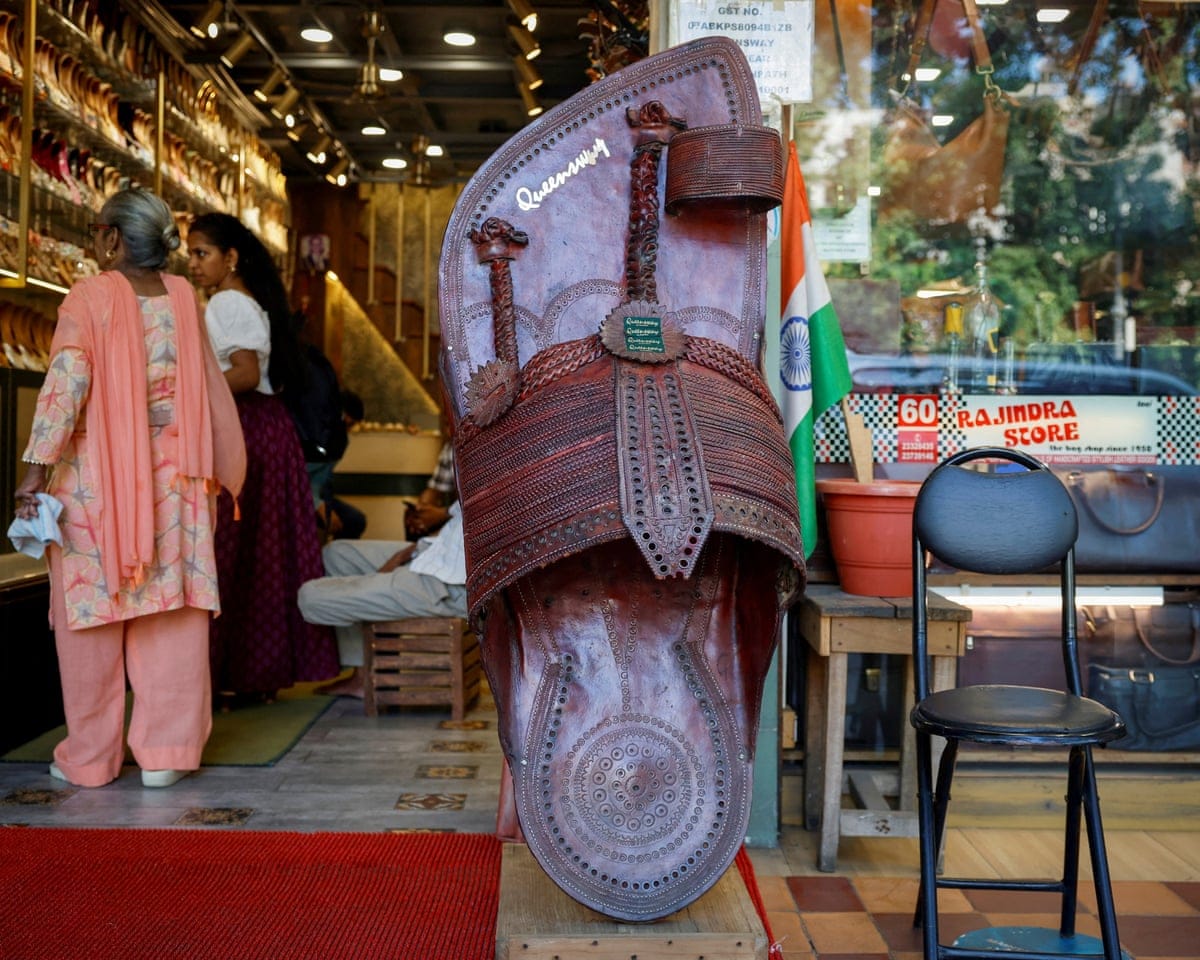
Prada has recognized that its latest leather sandal design draws inspiration from India’s Kolhapuri “chappals,” traditional handmade footwear known for their distinctive toe-loop style, following criticism for not acknowledging their origin.
Lorenzo Bertelli, head of corporate social responsibility at the Italian luxury brand, stated in a letter to the Maharashtra chamber of commerce, “We confirm the sandals… take influence from historic Indian handmade footwear, which carries centuries of heritage.”
The chamber had raised concerns on behalf of thousands of Kolhapuri sandal-makers after Prada’s Milan show featured open-toe footwear nearly identical to the traditional Indian design.
Lalit Gandhi, the chamber’s president, noted, “The collection includes footwear that closely resembles Kolhapuri sandals, a traditional craft granted ‘geographical indication’ status by India’s government in 2019.”
The geographical indication label confirms a product’s regional origin. The sandals trace back to the 12th century in Kolhapur, a city in western Maharashtra.
Crafted from buffalo leather with a unique braided strap, the shoes are worn by everyone, from farmers to professionals.
When models appeared on the runway last week wearing the shoes—described simply as “leather flat sandals”—it sparked backlash in India, with accusations of cultural appropriation.
The controversy reflects wider discussions about global fashion brands capitalizing on traditional designs without acknowledging or compensating original artisans.
In India, these durable sandals cost around $12, while Prada’s version sells for over $800. Harsh Goenka, chairman of the RPG Group, remarked, “Indian artisans lose while international brands profit from our heritage.”
As images of the show circulated online, frustration grew in India. “From Kolhapur’s streets to Milan’s runways… will proper credit be given?” asked CuriosityNews on social media.
Gandhi urged Prada to explore collaboration or fair compensation for Indian artisans. Bertelli responded that the sandals were in early development but expressed willingness to engage in “meaningful dialogue with Indian craftsmen.”
Dhanendra Kumar, a former World Bank executive, told India’s Economic Times, “While Indian artisans master their craft, they often lack resources to elevate their products as luxury goods globally.”
“By not naming the sandals ‘Kolhapuris,’ Prada profits from cultural appropriation,” he added.
Yet, some argue the dispute may have an unintended benefit. Sales of Kolhapuri sandals had stagnated in India in recent years.
Read next

Bolivia Probes Ex-President Evo Morales for Suspected Involvement in 2009 Killings
The Bolivian attorney general has initiated an investigation into former leftist president Evo Morales, citing allegations of his involvement in the murder and torture of European nationals in 2009.
In 2009, police conducted a raid on a Santa Cruz hotel, resulting in the deaths of Eduardo Rózsa Flores, a Bolivian-
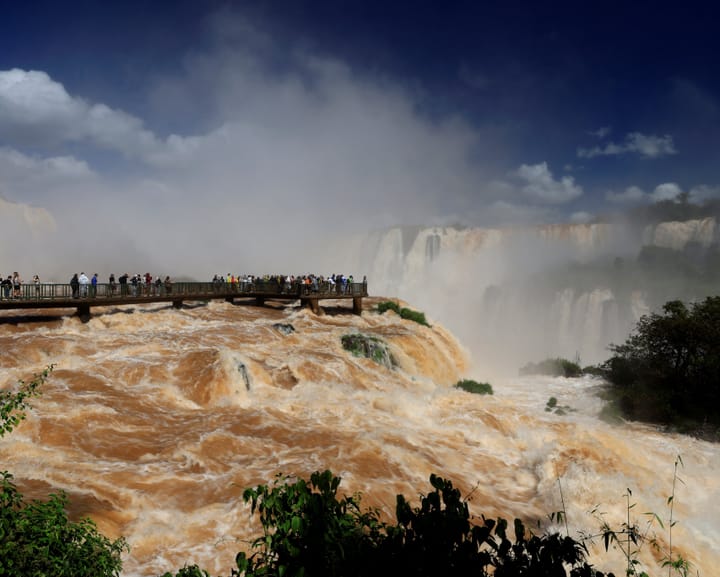
Argentina Closes Iguazu Falls Temporarily Due to El Niño-Induced Water Surge
Heavy rainfall driven by a potent El Niño weather pattern temporarily led Argentinian authorities to close tourist access to the renowned Iguazu Falls. The closure occurred due to concerns that rising water levels might cause the river to overflow its banks.
On Monday, national park officials implemented this precautionary measure

Mysterious Drones Strike Two Vessels Near Bulgarian Coast – Europe Live
Morning Update: Two Ships Targeted by Drones Off Bulgarian Coast
This morning, two ships in the Black Sea near Bulgaria were struck by drones of unknown origin. The attack led to the sinking of one vessel and initiated emergency rescue operations, as reported by Bulgarian Prime Minister Rumen Radev. Rescue