
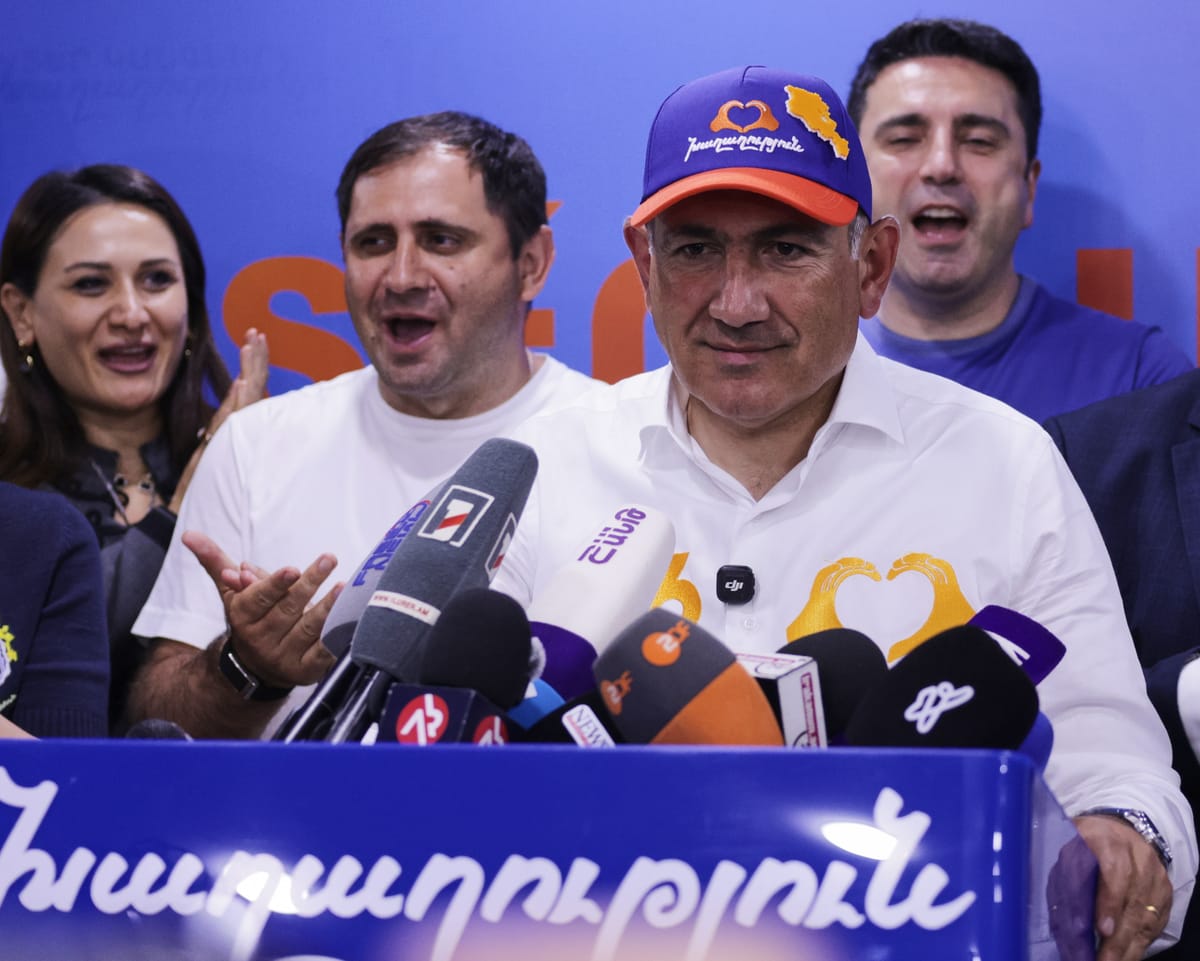
Armenia's pro-European ruling party has triumphed in parliamentary elections, solidifying the nation's shift toward Europe and away from its long-term alliance with Russia.
Official results indicate that Prime Minister Nikol Pashinyan’s Civil Contract party attained a narrow majority. Meanwhile, the Strong Armenia alliance, headed by Russian-Armenian billionaire Samvel Karapetyan, claimed 25% of the parliamentary seats.
The outcome, viewed favorably in Brussels but negatively in Moscow, bolsters Pashinyan’s efforts to achieve a peace deal with Azerbaijan and normalize ties with Turkey. Speaking at his headquarters, Pashinyan stated that the electorate voted for peace and regional cooperation, expressing hope for a positive response from Turkey and Azerbaijan. He further noted that Armenia intends to strengthen Western ties while remaining a member of the Russia-led Eurasian Economic Union.
A former journalist who rose to power during the 2018 Velvet Revolution to end the oligarchic system, Pashinyan campaigned on a peace platform. He argued that ending decades of hostility with neighbors would enhance security, create economic growth, and decrease reliance on Russia. Known for his populist rhetoric, the prime minister has advocated for deeper Western integration and the possibility of future EU membership.
European leaders quickly offered congratulations. European Commission President Ursula von der Leyen praised the victory as a sign of a democratic Armenia moving closer to Europe, asserting that the country can rely on EU support. Donald Trump also endorsed Pashinyan, calling him a "great friend and leader." The United States has played a growing role in mediating the conflict between Armenia and Azerbaijan.
This vote marks the first national election since Azerbaijan seized Nagorno-Karabakh in 2023, ending three decades of Armenian rule over the territory. While the opposition characterized this loss as a failure and accused Pashinyan of surrendering ancestral lands, the prime minister has framed the event as a necessary transition. He argued that the pursuit of Karabakh trapped Armenia in constant conflict and Russian dependence, making the loss a starting point for a more stable future.
Despite the win, Pashinyan faces ongoing challenges, having failed to achieve the supermajority required to hold a referendum on constitutional amendments.
Read next
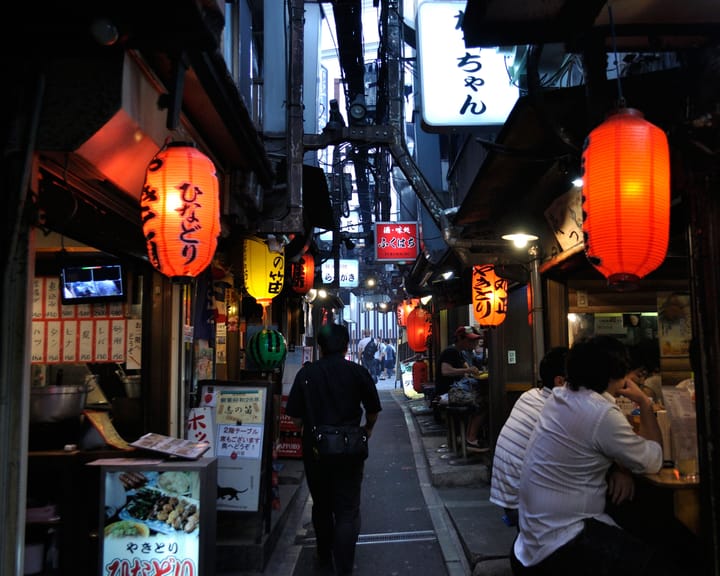
Tokyo tourist hotspot outlaws short-term rentals amid complaint surge
Shinjuku Ward, Tokyo, has moved to ban short-term rental accommodations in residential areas and near schools and important cultural sites, following a slew of complaints about visitor behaviour. The decision, to be enacted through a local ordinance, marks the latest sign that Japan’s patience with mass tourism is
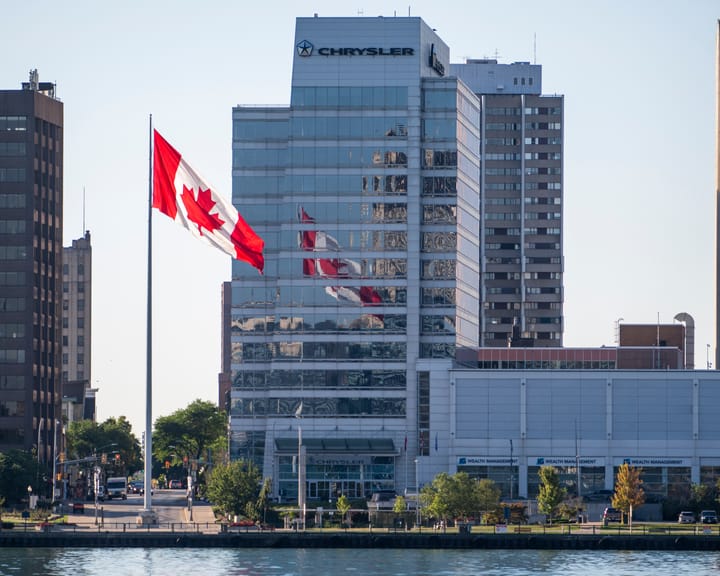
Canada implements retaliatory US tariffs as trade dispute intensifies
Canada’s retaliatory tariffs on about $20 billion worth of American imports took effect at 12.01am on Tuesday, ranging from 15% to 50% and applying to steel, dairy, appliances, agricultural equipment, pulp and paper, and electronics. The measures, a response to the United States’ 50% tariff on $20 billion
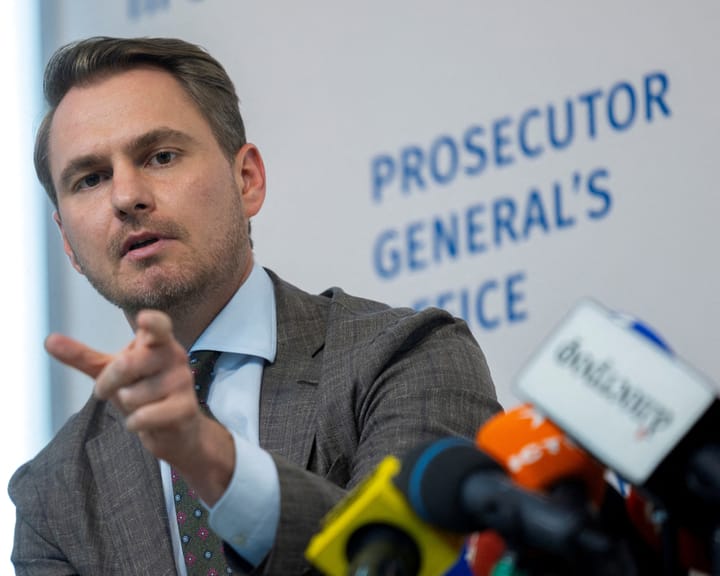
Prosecutor general resigns amid political turmoil in Kyiv during Ukraine war
Ukraine’s prosecutor general Ruslan Kravchenko resigned amid corruption accusations after anti-graft officers searched his offices at the weekend. He called the allegations “completely unsubstantiated” and denied wrongdoing. The National Anti-Corruption Bureau (NABu) and Specialised Anti-Corruption Prosecutor’s Office (Sapo) announced Saturday they uncovered a money-laundering