

For 733 days, Israelis gathered in Tel Aviv’s “hostages square,” wearing yellow tape on their shirts marking the number of days since 251 people were taken by Hamas-led militants. On Thursday, the yellow stickers remained, but the count was replaced with a single message: “They’re coming home.”
For two years, demonstrators had occupied the area near the Israeli military headquarters, setting up tents and organizing rallies calling for the hostages' return from Gaza. The site had been filled with artwork, photos of the captives, and a digital display tracking each day and second they spent in captivity.
That day, the protest chants that had echoed for years demanding government action were gone. Instead, marching bands played, and crowds sang about the awaited reunion with their loved ones.
“I felt relief when I heard the news, but I’ll only feel truly at ease when I see Eitan and the others. With hope, he’ll be back from this nightmare by Monday,” said Itzik Horn, 73, whose son is among the 20 living hostages still held by Hamas.
As he spoke, a man blew a shofar—a ram’s horn symbolizing faith and hope in Jewish tradition—drawing cheers from the crowd. People gazed at the rows of hostage photos, smiling at the possibility of soon seeing some of them in person.
Hours earlier, Israel and Hamas had reached a deal to free all remaining living hostages in exchange for nearly 2,000 Palestinian prisoners by Monday. The remains of about 28 deceased hostages would be returned when conditions permitted. Meanwhile, Israeli forces would partially withdraw from Gaza to facilitate the release.
For the hostages’ families, the agreement meant the end of a two-year ordeal.
“All this time, we’ve been living in hell. I wasn’t taken to the tunnels, but Hamas took me too—my mind, my life,” Horn said. His other son, Iair, had also been held captive but was freed during a brief ceasefire in February. Though six months have passed since his release, Iair still cannot speak about his time in captivity without being overwhelmed by emotion.
While the agreement marked the closest the warring sides had come to ending the two-year conflict—which has claimed over 67,000 Palestinian lives and led to accusations of genocide against Israel—a lasting peace remained uncertain.
Key parts of the deal, including Hamas's disarmament and the formation of a transitional Gaza authority, were still under negotiation. Israel continued airstrikes in Gaza well into Thursday morning.
For most Israelis, however, the hostage release was the priority. Everything else was secondary.
“I’m overjoyed—it feels surreal. After two years of this, finally, there’s hope.”
Read next

Teen's Mountaineering Attempt with Claude Ends in Emergency Rescue in Canadian Mountains
The Widowmaker Arete, a towering 1,700-foot wall in British Columbia, is misleadingly labeled as featuring "mostly easy slab climbing" with "short steep sections" including "finger cracks" and "blocky face climbing." Climbing it necessitates meticulous planning and the appropriate gear.
Last
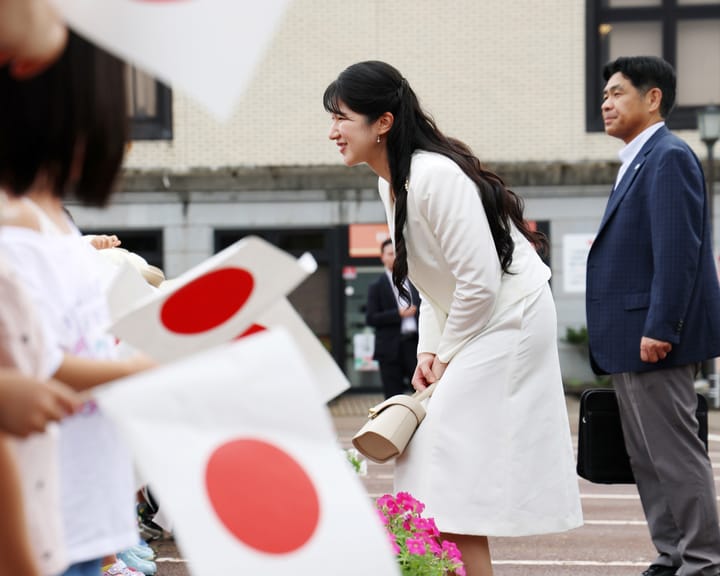
Fading Royal Line: Growing Advocacy for Princess Aiko to Ascend Japan’s Throne
Princess Aiko, 24, is a prominent figure in Japan, often featured on magazine covers and sought after by fans for her fashion sense. Her public appearances draw large crowds eager to see her, admired for her elegance and presence. Despite her popularity, she is barred by law from becoming empress,
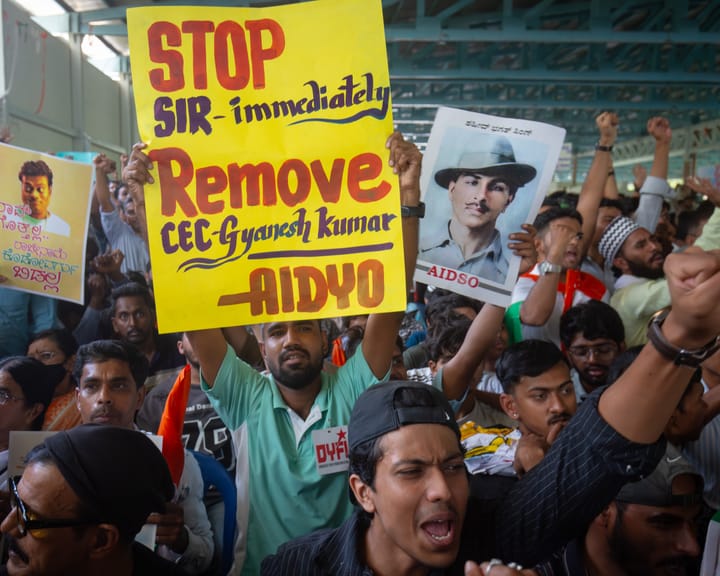
India's 'Cockroach' Party Accuses Government of Detaining Members Before Weekend Protest
India’s Cockroach Janta Party (CJP), initially a satirical movement, is now gaining political traction among Gen Z as it faces mass detentions ahead of a major anti-government protest in Delhi. The opposition, alongside student groups and the CJP, has been organizing nearly daily protests, demanding the resignation of