
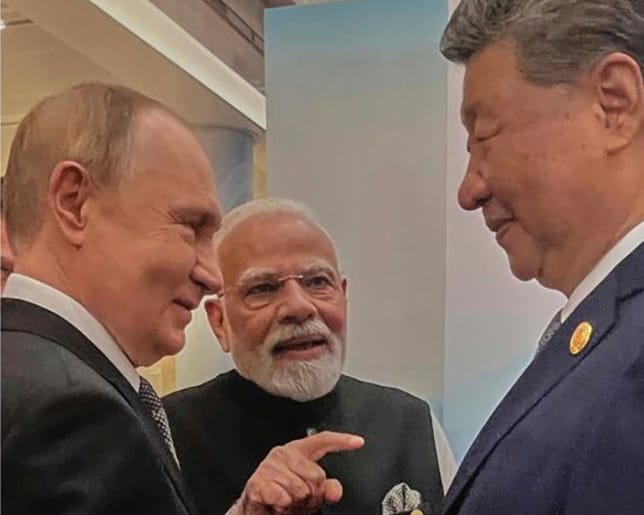
The three leaders stood side by side, their laughter ringing out as they held each other’s hands warmly. Yet this was no casual meeting—it brought together Vladimir Putin, Xi Jinping, and Narendra Modi, three of the most influential figures outside the Western world.
The visible camaraderie between them was widely interpreted as a pointed signal to Western leaders, particularly Donald Trump, who had recently imposed heavy trade restrictions on India, including steep import duties.
"India seeks to demonstrate that it has alternatives when dealing with global powers," said Christopher Clary, a political science professor at the University at Albany. "Being part of multiple alliances allows for strategic shifts when other relationships become strained."
Modi's visit to China—his first in seven years—marked a notable shift from the tensions that had defined relations between the two nations. Unlike previous interactions, the Indian leader was greeted with exceptional warmth upon his arrival for the Shanghai Cooperation Organisation summit.
The leaders’ friendly exchange in Tianjin quickly drew attention from Washington. Shortly after, Trump renewed his criticisms of India, labeling trade between the two nations as "highly unbalanced." His trade advisor, Peter Navarro, remarked online, "It’s disappointing to see Modi aligning so closely with Xi and Putin. His reasoning is unclear."
Just a year earlier, such a meeting between Modi and Xi would have seemed improbable. Tensions had escalated in 2020 after Chinese movements along the Himalayan border led to a deadly clash between the two nations’ troops.
In response, both sides reinforced their borders with significant military deployments and infrastructure. Anti-China sentiment surged in India, leading to bans on numerous Chinese apps and restrictions on investment by Chinese firms.
The U.S. had initially sought to strengthen ties with India, viewing it as a strategic partner to counterbalance China's growing influence. But shifts in Washington's foreign policy have altered perceptions in New Delhi, where the U.S. is now seen as an unpredictable and even adversarial force.
The sudden imposition of trade penalties on India, without prior notice, seemed primarily punitive—stemming from Modi's refusal to acknowledge Trump's role in defusing tensions between India and Pakistan earlier in the year. The move further deepened Delhi's frustration with Washington.
Read next
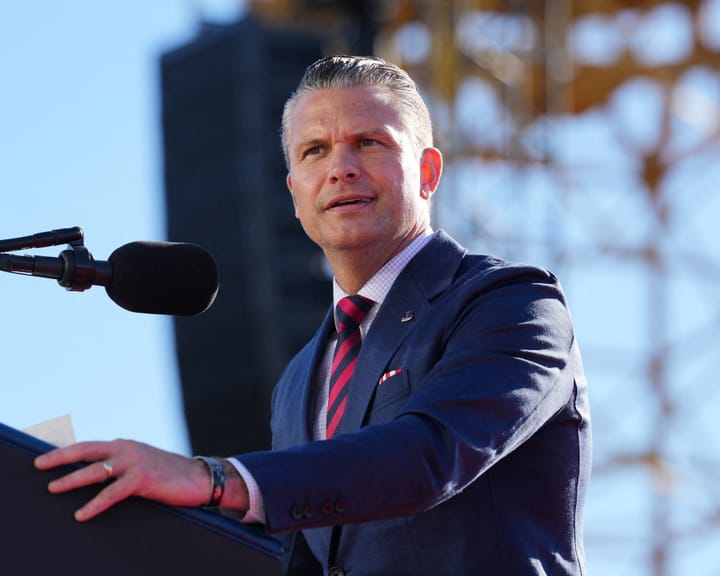
Pete Hegseth's proposal to stream executions aligns US with controversial nations.
If the US defense secretary, Pete Hegseth, proceeds with plans to livestream the execution of a soldier radicalized to extremist Islam, who killed 13 people at a military base in Texas, the US would join a group of lesser powers and rogue actors known for public executions in recent years.
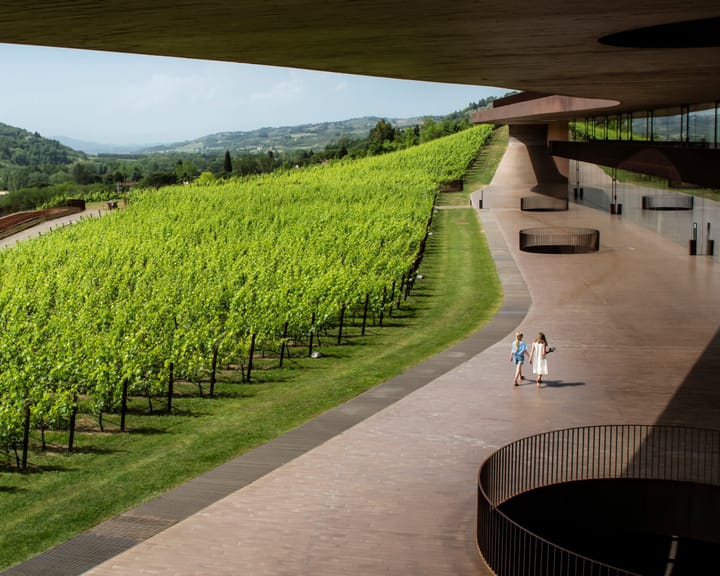
Criminals steal €5m from renowned Italian winery
In a significant theft in Tuscany, thousands of wine bottles valued at €5 million have been stolen from the renowned Marchesi Antinori winery, marking what is considered the largest heist of its kind in Italy. A group of at least seven masked individuals breached the winery's cellar in

Illuminated Theater in Havana – A Photographic Journey
Widespread blackouts have become more frequent in Cuba since the US imposed energy sanctions in January. These outages often last longer than 24 hours as the aging electrical grid struggles to cope. The Impulso theatre group has been forced to adapt, as the power cuts present significant challenges for the