
Leaders’ Quest for Longevity Sparks Speculation
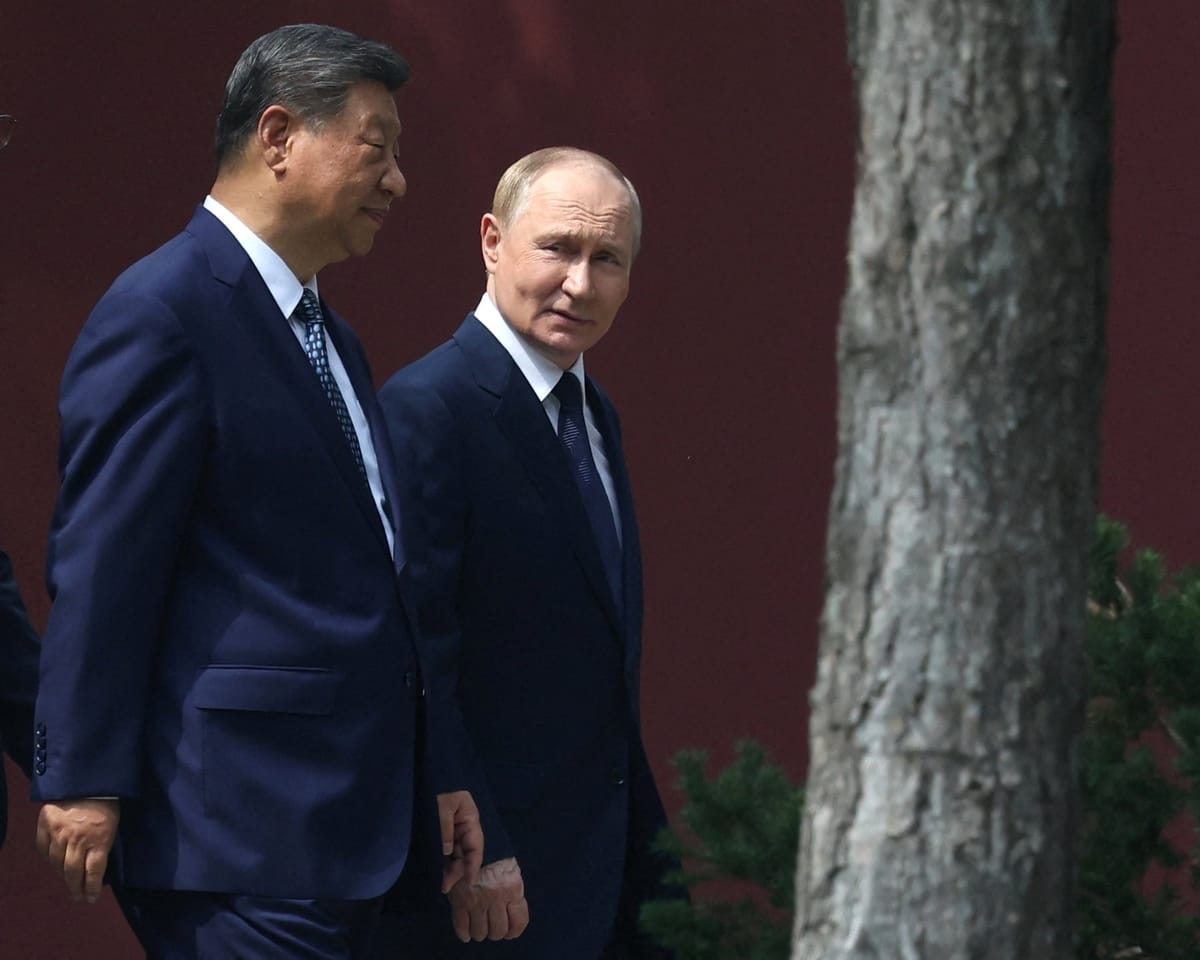
It seemed like a scene from a spy thriller. Two longtime autocrats, accompanied by a much younger ally, walked slowly down a red-carpeted ramp before a military parade in Beijing when an open microphone caught a question that appeared to preoccupy them: How much longer could they hold on—and, implicitly, could science help them stay in power indefinitely?
Amid advances in biomedical research, Russia’s Vladimir Putin assured Xi Jinping through an interpreter that “organ transplants could be done endlessly, to the point where a person might even reverse aging, perhaps achieving immortality.”
The Chinese leader responded, “By the end of this century, people might live to 150.”
Nearby, North Korea’s Kim Jong-un—three decades younger than his two septuagenarian counterparts—watched with an observant smile.
The unguarded conversation has fueled speculation about how long these leaders plan to remain in control—and how far they might go to delay their political twilight.
For now, none show any intention of stepping down. Each appears determined to rule as long as they are physically able, with no clear succession plans in place.
Thanks to constitutional amendments enacted in 2020, Putin could stay in power until 2036, when he would be 83—surpassing even Joseph Stalin’s time in office.
Xi, by sidelining potential successors and rivals, has dismantled the Chinese Communist Party’s once-rigid system of leadership transition. Meanwhile, in North Korea’s authoritarian regime, succession has historically been determined only by death.
The pursuit of extended rule is not a modern phenomenon. Throughout history, leaders have sought ways to prolong their lives and their grip on power.
China’s first emperor, Qin Shi Huang (259–210 BC), dispatched envoys to the fabled Mount Penglai in search of an elixir of eternal life—though the mercury-based potions he consumed may have contributed to his demise.
Alexander the Great is said to have ventured into the “Land of Darkness,” a mythical realm of endless night, in his pursuit of a life-extending spring.
Centuries later, Italy’s Silvio Berlusconi adopted his signature ostentatious approach—undergoing hair transplants, cosmetic procedures, and experimental medical treatments—to maintain an ageless image in politics.
Around the same time, Kazakhstan’s longtime leader, Nursultan Nazarbayev, established a research center in Astana dedicated to studying “organism rejuvenation,” genetic science, and advanced medicine.
“For those of my generation, we hope these medical breakthroughs arrive as soon as possible,” Nazarbayev told Kazakh scientists in 2010.
Berlusconi died at 86 after battling a common respiratory illness. Nazarbayev, now 85, was sidelined following unrest in Kazakhstan in 2022, which ended his family’s political dominance.
Putin, familiar with both men’s fates, seems intent on going further—exploring ambitious, well-funded avenues in longevity research.
Read next
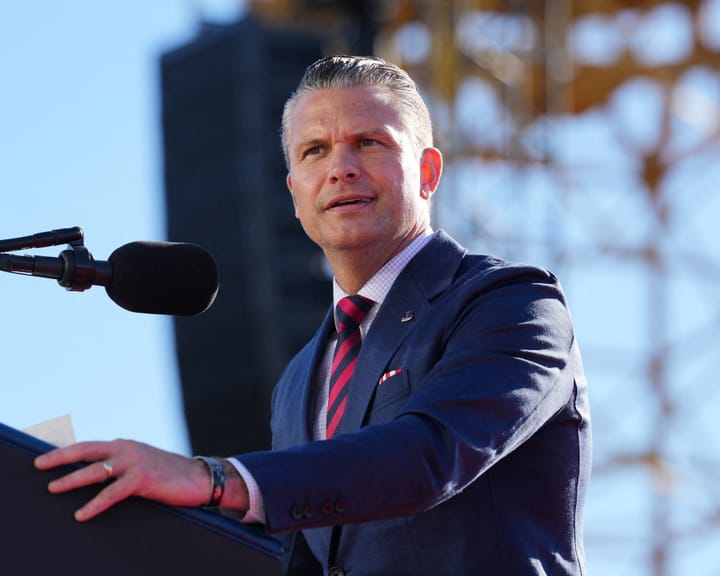
Pete Hegseth's proposal to stream executions aligns US with controversial nations.
If the US defense secretary, Pete Hegseth, proceeds with plans to livestream the execution of a soldier radicalized to extremist Islam, who killed 13 people at a military base in Texas, the US would join a group of lesser powers and rogue actors known for public executions in recent years.
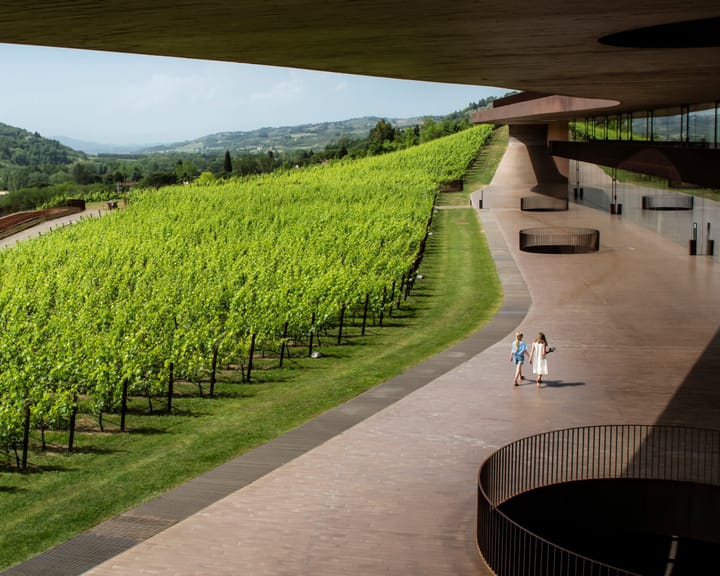
Criminals steal €5m from renowned Italian winery
In a significant theft in Tuscany, thousands of wine bottles valued at €5 million have been stolen from the renowned Marchesi Antinori winery, marking what is considered the largest heist of its kind in Italy. A group of at least seven masked individuals breached the winery's cellar in
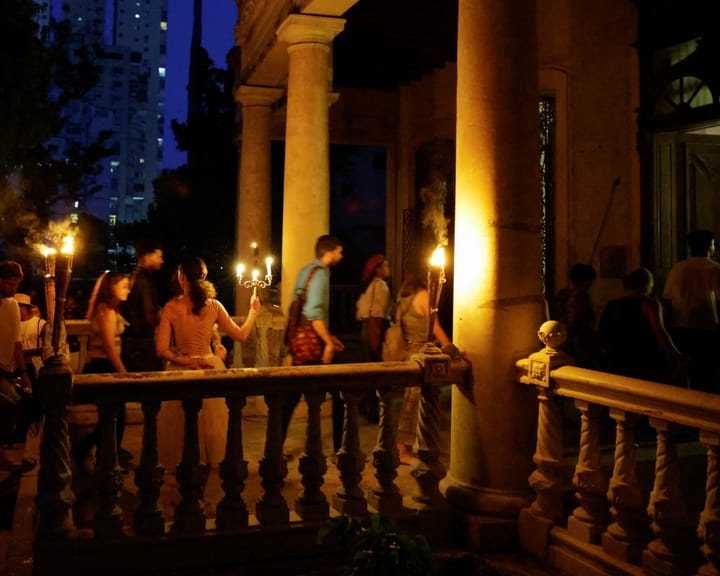
Illuminated Theater in Havana – A Photographic Journey
Widespread blackouts have become more frequent in Cuba since the US imposed energy sanctions in January. These outages often last longer than 24 hours as the aging electrical grid struggles to cope. The Impulso theatre group has been forced to adapt, as the power cuts present significant challenges for the