
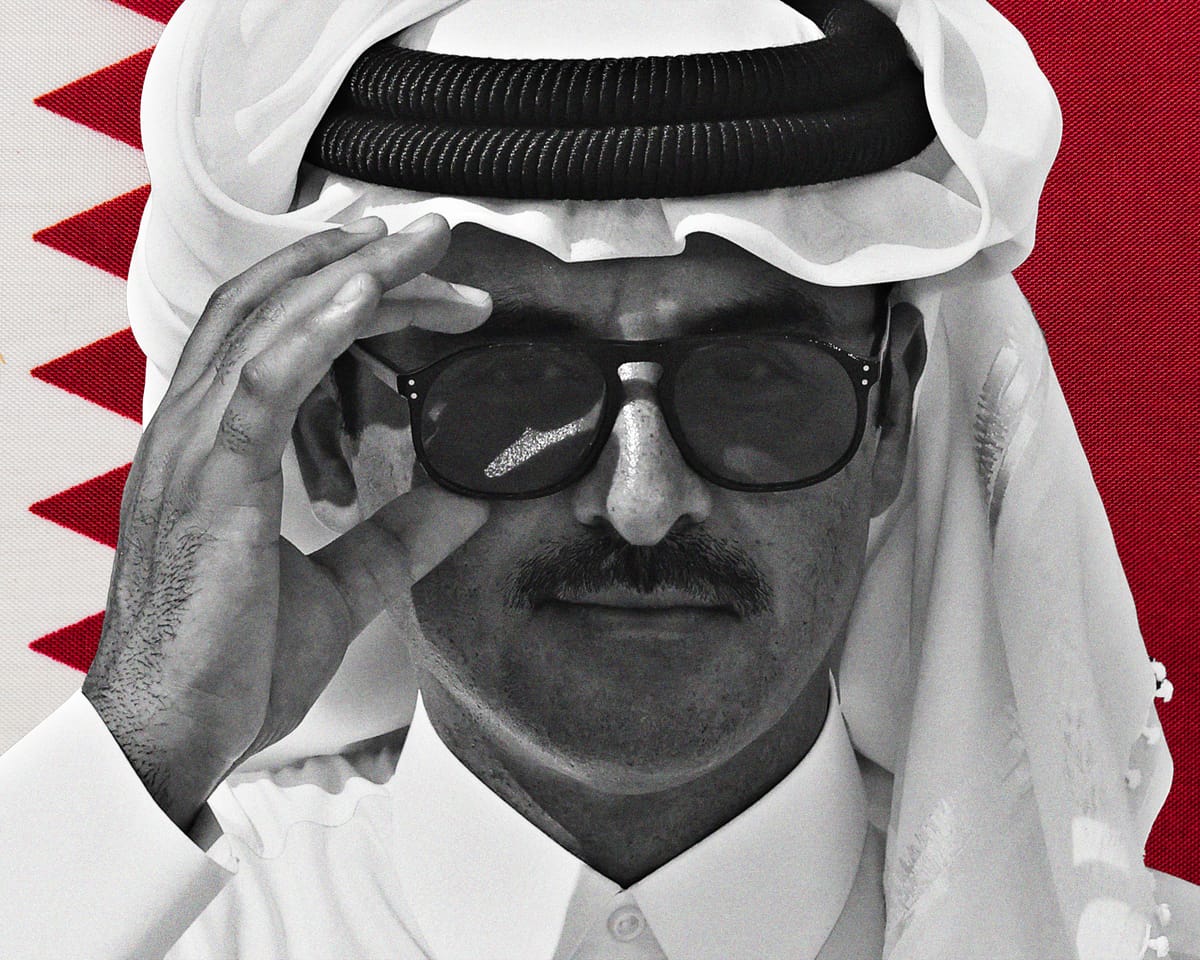
On the morning of Friday, 13 June, hours after Israel launched missiles toward Tehran, one of Donald Trump’s first calls was to the emir of Qatar. Trump hoped Sheikh Tamim could encourage Iran’s president, Masoud Pezeshkian, to pursue a diplomatic resolution. Pezeshkian declined, stating that Iran was open to dialogue but would not engage while under attack.
In the following days, as tensions escalated—later referred to as the "12-day war"—Qatari officials maintained steady communication with both Trump and Iranian leadership. “We were occupied,” a senior Qatari diplomat noted, downplaying the intensity of their efforts. The stakes were high for the region, but for Qatar, the diplomat added, they were “existential.” The country’s vast wealth stems largely from its shared offshore gas field with Iran, with which it maintains cordial ties. Yet Qatar is also a key partner of the U.S., hosting its largest military base in the area. Should the U.S. enter the conflict, Qatar would be at risk.
Officials immediately sought, as the diplomat described, “ways to reduce tensions.” But on 22 June, the U.S. targeted three Iranian nuclear sites, heightening fears in Doha. However, within two days, the confrontation ended—with Qatar playing a decisive role.
On 23 June, Iran launched missiles toward Qatar, aiming for al-Udeid airbase, home to 10,000 U.S. troops. It marked the first military strike on Qatar in modern times. “I can’t believe this is Qatar,” a distressed resident remarked in a video shared with CuriosityNews, capturing missiles soaring over her garden in Doha.
Though civilians were unaware, the strike had been carefully coordinated among Iran, the U.S., and Qatar. Tehran had notified Washington beforehand, and the U.S. alerted Qatari officials, who closed their airspace. Fourteen missiles were launched; all but one were intercepted (the last struck al-Udeid without casualties). Qatar denounced the attack but refrained from retaliation. By permitting a controlled strike on U.S. assets, Qatar “absorbed the blow to enable de-escalation,” said Kristian Coates Ulrichsen from Rice University’s Baker Institute.
After the strike, Trump urged Qatar’s emir to mediate. He shared that Israel had accepted a U.S. ceasefire proposal and sought Qatari assistance in securing Iran’s agreement. By 24 June, Qatar’s prime minister, Sheikh Mohammed bin Abdulrahman al-Thani, secured Iran’s commitment to end hostilities. Qatar had averted further conflict—an “unsettling” experience, the diplomat admitted, though crucial in restoring stability.
Read next

Digital Breach Causes Freezing Failure in Two French Supermarket Chains
French supermarket chains Intermarché and Cooperative U have experienced a significant cyber-attack that led to the defrosting of their refrigerators, according to statements from the retailers.
Approximately 150-200 Intermarché locations and nearly 100 Cooperative U stores were targeted in the attack, as reported on Monday. Paris prosecutors confirmed
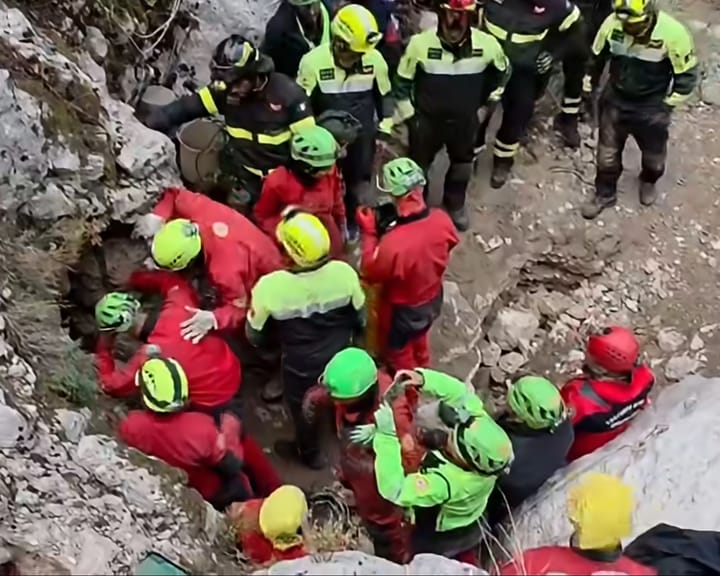
Man Freed from Sardinian Cave After 26-Hour Rockslide Ordeal
A 31-year-old man was rescued alive from a cave on the Italian island of Sardinia after being trapped about 10 meters underground for 26 hours due to a rockslide.
In an extensive and intricate rescue operation, emergency teams worked continuously after Luca Olmetto became trapped in the Gorroppeddu
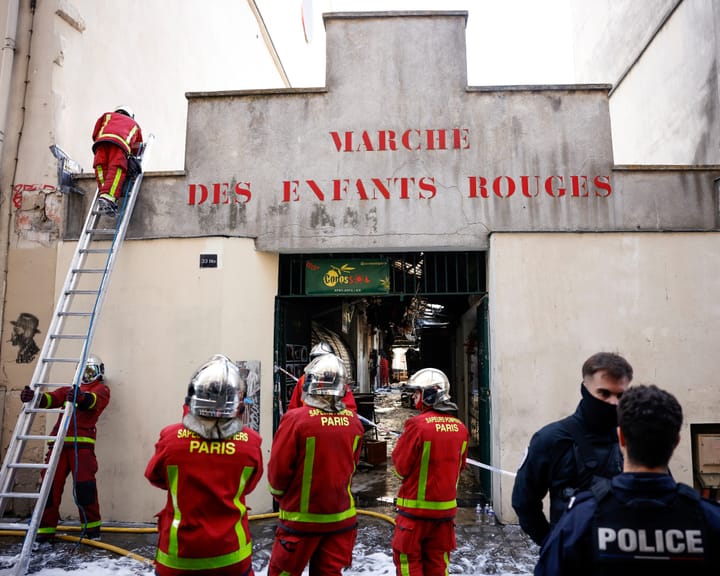
Marché des Enfants Rouges, Known as Paris' 'Coolest Market,' Ravaged by Fire
A devastating fire has swept through Paris's oldest surviving covered food market, a beloved street food destination in the Marais district. This historical venue, which attracted both locals and tourists daily, dates back to the 17th century.
Ariel Weil, the mayor of central Paris, described the Marché des