
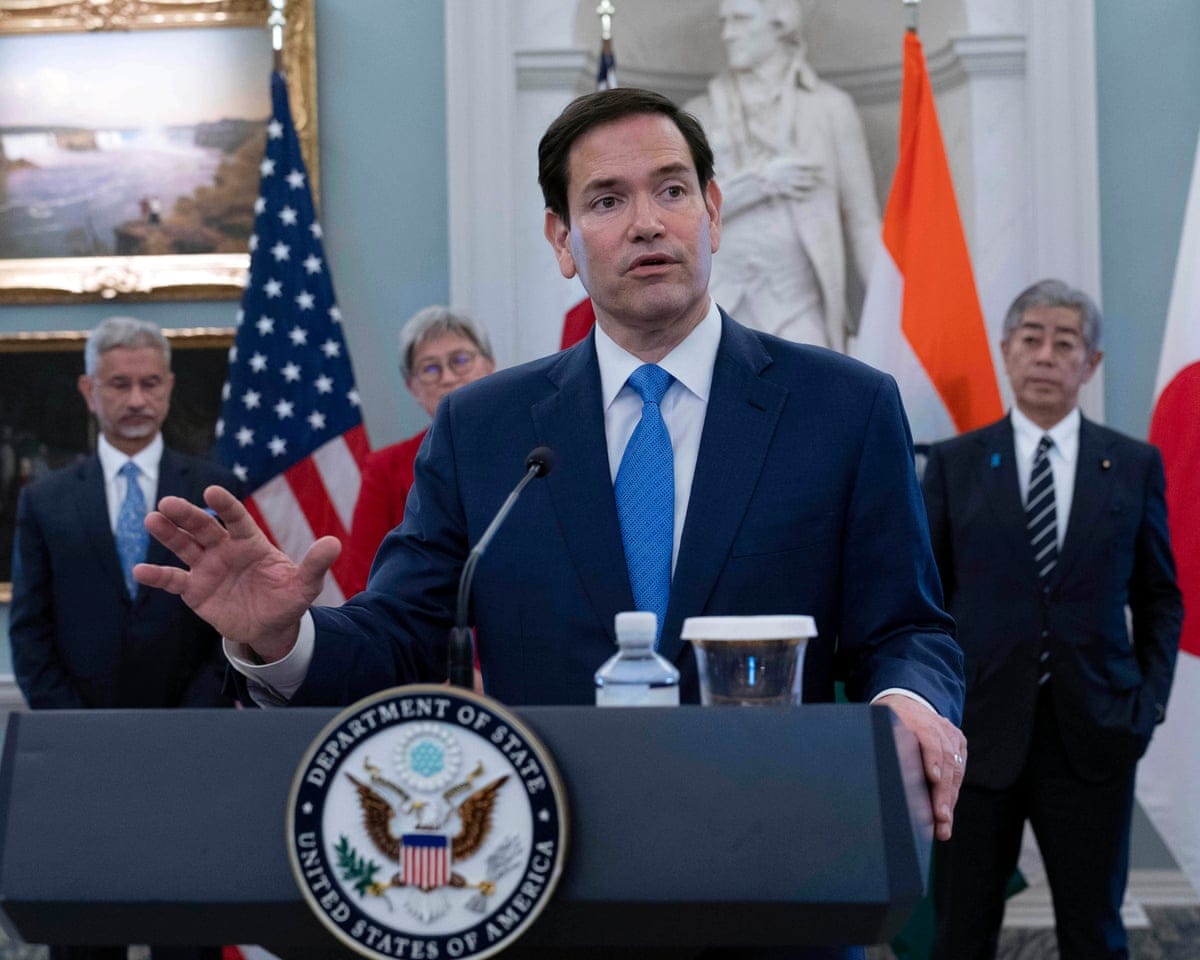
The United States, Japan, India, and Australia have agreed to cooperate in ensuring a steady supply of key minerals, amid increasing concerns about China’s control over resources essential for modern technologies.
In a joint statement, the four nations announced the creation of the Quad Critical Minerals Initiative, designed to "collaborate on securing and diversifying" supply chains. Details were sparse, but the aim is clearly to lessen dependence on China, which has used export controls as leverage after U.S. restrictions on semiconductor access and threats of high tariffs.
China possesses significant deposits of several crucial minerals, accounting for the majority of the world’s graphite, a vital component in electric vehicle batteries.
U.S. Secretary of State Marco Rubio hosted counterparts from the Quad nations in Washington on Tuesday, shifting attention toward Asia after spending much of his first six months focused on conflicts in Ukraine and the Middle East, as well as domestic issues such as immigration under President Donald Trump.
In brief comments alongside the ministers, Rubio stated he had been "particularly focused" on supply chain diversification and sought "tangible progress."
The Quad’s joint statement warned: "Dependence on a single country for processing, refining, or producing critical minerals and related goods makes our industries vulnerable to economic pressure, price volatility, and supply disruptions."
Officials avoided explicitly naming China but expressed "serious concerns about destabilizing and provocative actions" in the South China Sea and East China Sea, which "endanger regional peace and stability."
Rubio first met Quad foreign ministers in January shortly after Trump’s inauguration, signaling the new administration's intent to work with aligned nations to counterbalance China. However, to the surprise of some, Trump has not made confrontation with China a primary focus, instead speaking favorably of Chinese leader Xi Jinping and seeking to de-escalate trade tensions.
Trump is anticipated to visit India later this year for a Quad summit.
Indian and Japanese foreign ministers emphasized the importance of a "free and open Indo-Pacific"—a term widely understood to challenge China’s influence in the region.
"The Indo-Pacific must ensure nations have the freedom of choice, which is fundamental for making informed decisions on development and security," Indian Foreign Minister Subrahmanyam Jaishankar stated.
At Jaishankar’s request, the Quad also condemned a May attack in Kashmir that killed mostly Hindu civilians, demanding "swift justice for those responsible."
Addressing Japan’s concerns, the group criticized North Korea for its "destabilizing missile launches" and reiterated calls for full nuclear disarmament.
Read next
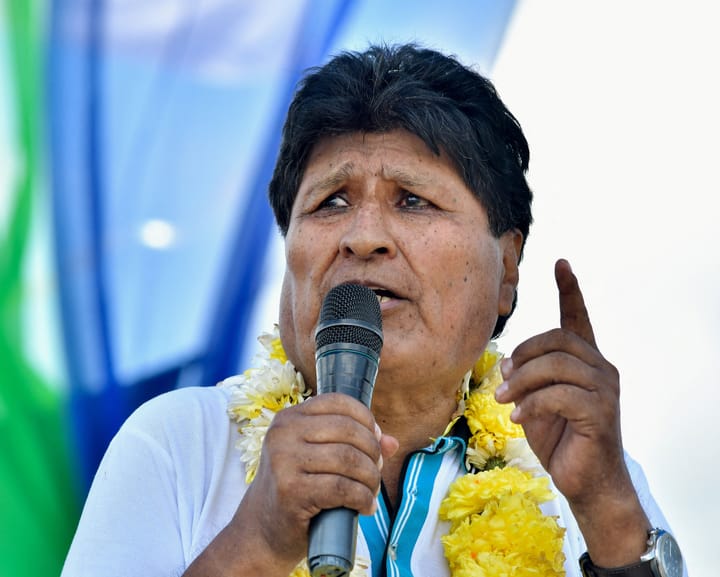
Bolivia Probes Ex-President Evo Morales for Suspected Involvement in 2009 Killings
The Bolivian attorney general has initiated an investigation into former leftist president Evo Morales, citing allegations of his involvement in the murder and torture of European nationals in 2009.
In 2009, police conducted a raid on a Santa Cruz hotel, resulting in the deaths of Eduardo Rózsa Flores, a Bolivian-
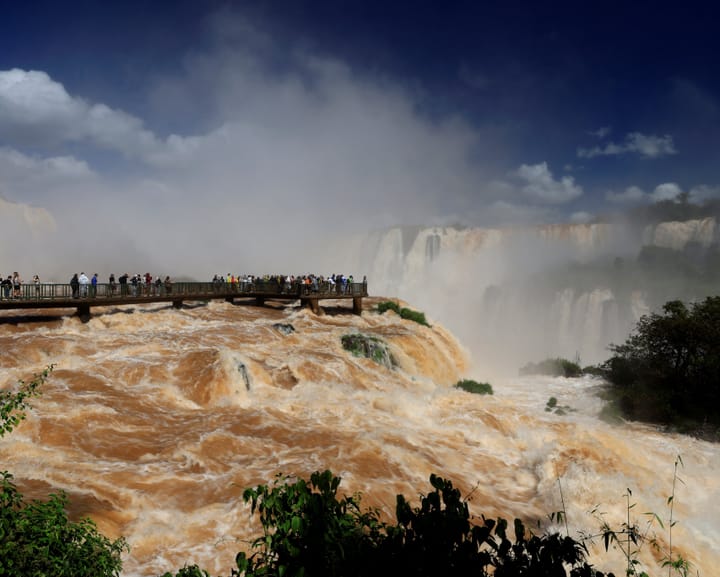
Argentina Closes Iguazu Falls Temporarily Due to El Niño-Induced Water Surge
Heavy rainfall driven by a potent El Niño weather pattern temporarily led Argentinian authorities to close tourist access to the renowned Iguazu Falls. The closure occurred due to concerns that rising water levels might cause the river to overflow its banks.
On Monday, national park officials implemented this precautionary measure
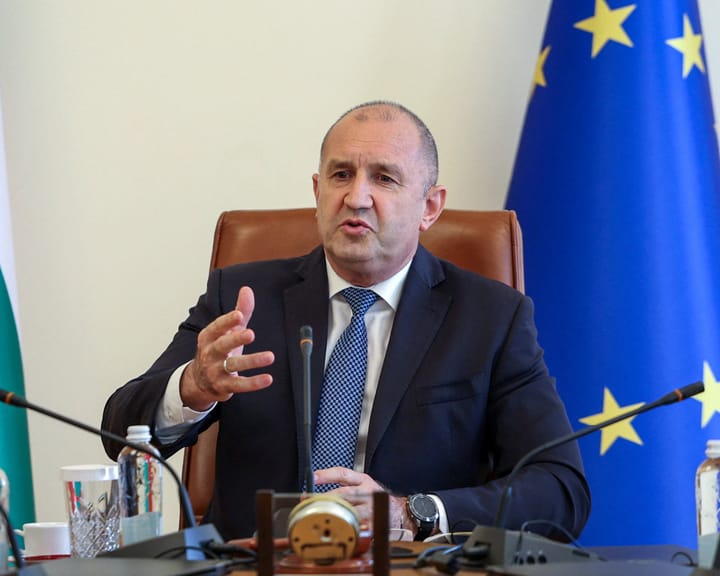
Mysterious Drones Strike Two Vessels Near Bulgarian Coast – Europe Live
Morning Update: Two Ships Targeted by Drones Off Bulgarian Coast
This morning, two ships in the Black Sea near Bulgaria were struck by drones of unknown origin. The attack led to the sinking of one vessel and initiated emergency rescue operations, as reported by Bulgarian Prime Minister Rumen Radev. Rescue