
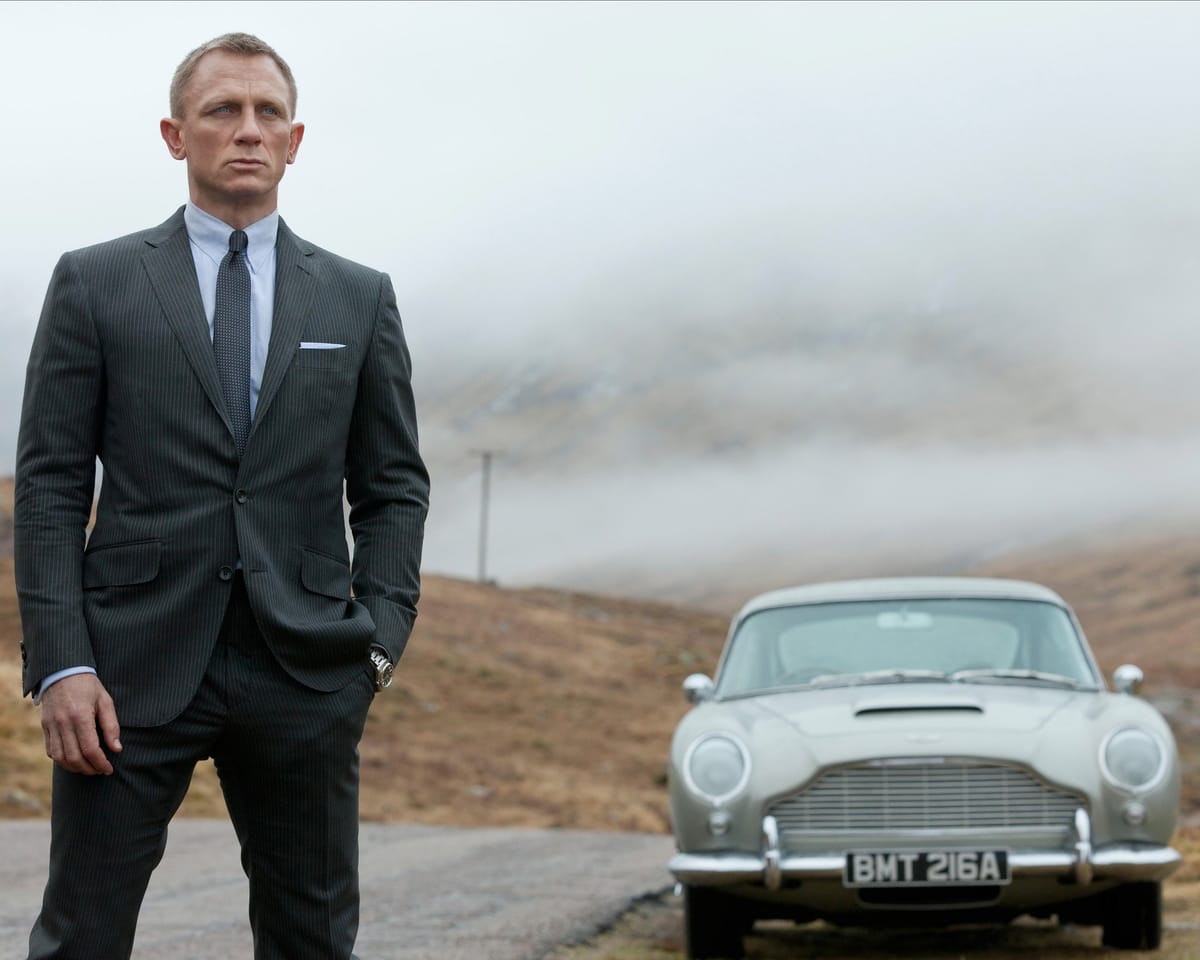
Aston Martin Rushes to Ship Cars Ahead of Tariff Deadline
Aston Martin accelerated deliveries of three months’ worth of cars to U.S. dealers within 24 hours to secure lower tariffs that took effect on 30 June. By invoicing the entire quarter’s shipments on that day, the company also avoided reporting a sales decline that could have concerned investors.
While the effort lacked the spectacle of the James Bond films that often feature the brand, Aston Martin’s CEO, Adrian Hallmark, described it as "quite exciting, to put it mildly."
U.S. tariffs have disrupted the global economy, particularly affecting the auto industry. On 3 April, President Donald Trump imposed a 25% tariff on imported vehicles, adding to an existing 2.5% levy. German automakers have felt the strain—Mercedes-Benz reported €360m in costs this year due to the duties, while Porsche recorded a €400m impact in the first half of the year.
In early May, however, the U.S. and British officials struck a deal capping tariffs at 10% for the first 100,000 British-made cars imported annually. The new rate took effect at midnight on 30 June, the final day of the second quarter.
Aston Martin, which produces all its vehicles in the UK, shipped 328 cars to the Americas between April and June, with most dispatched on the last day. Hallmark called it a "mammoth task," explaining, "This left us with 24 hours to invoice the entire quarter’s worth of vehicle sales in the U.S."
The frantic effort highlights the broader challenges exporters face due to tariff fluctuations. Aston Martin increased U.S. prices by 3% to offset some of the added costs.
Delivering cars earlier would have incurred the higher 27.5% tariff, while missing the deadline would have forced the company to report a steep sales drop. Instead, Aston Martin stored hundreds of vehicles in U.S. bonded warehouses until delivery firms could distribute them to dealers before the clock ran out on 30 June. Those shipments were taxed at 10% instead.
Other automakers continue to grapple with elevated costs. While the EU and U.S. agreed to reduce tariffs on most goods, including cars, to 15%, Mercedes-Benz’s CEO, Ola Källenius, said he did not expect further concessions for the industry.
Aston Martin has also scaled back production and U.S.-bound shipments to mitigate financial strain. Yet, concerns remain—the 100,000-car quota tied to the 10% tariff could be exhausted before the company launches its high-end Valhalla hypercar later this year, potentially affecting profitability.
Read next
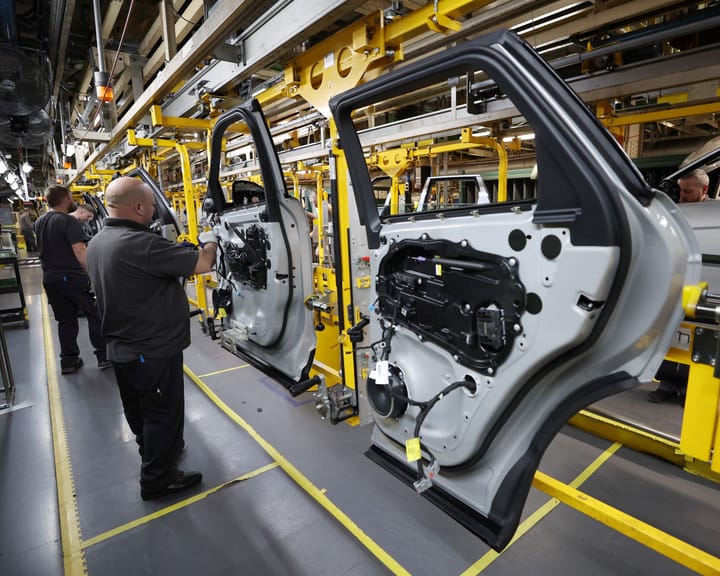
Jaguar Land Rover suppliers voice ‘everything is against us’ amid cutbacks
David Roberts, chair of Coventry-based Evtec, says the outlook for Britain’s automotive sector is grim, with “everything against us.” Evtec is a tier 1 supplier to Jaguar Land Rover, which this week announced 4,000 job cuts over two years despite chancellor John Healey’s attempt to talk
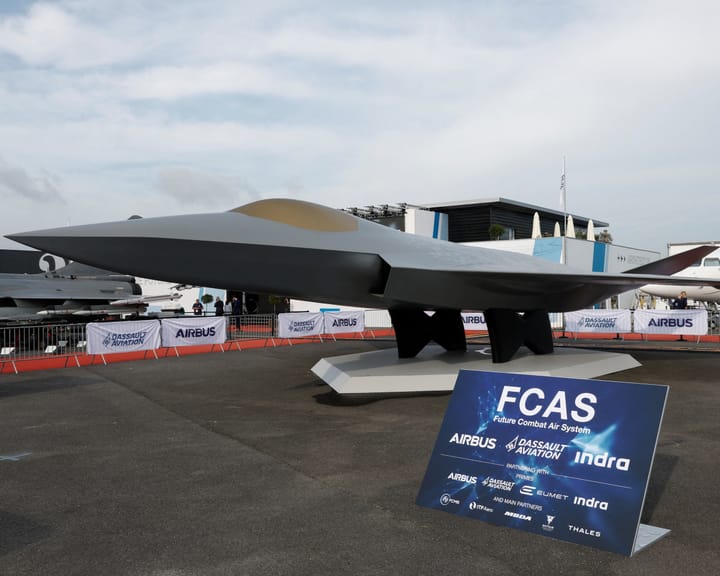
Europe’s fighter jet plans in disarray: what comes next?
When former ECB president and Italian PM Mario Draghi urged Europe to catch up economically with the US and China, defence collaboration was prescribed. No more should each nation build independent boats, tanks or jets; allies should share costs and technologies.
Europe stumbled at the first hurdle. German Chancellor Friedrich
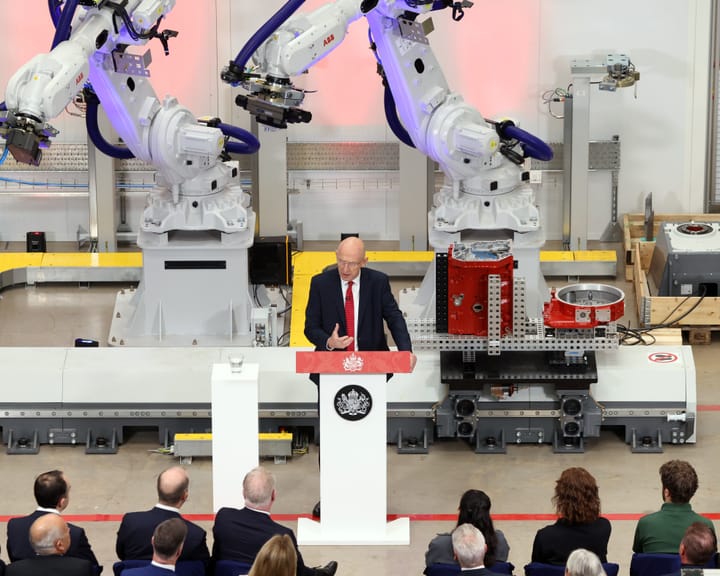
John Healey supports growth but insists Labour must be truthful about spending
John Healey has stated that his primary goal as chancellor will be to boost economic growth, while acknowledging that Labour must be straightforward about controlling public spending at next month's budget.
In his first major address since assuming the role in July, Healey said the leading focus of