
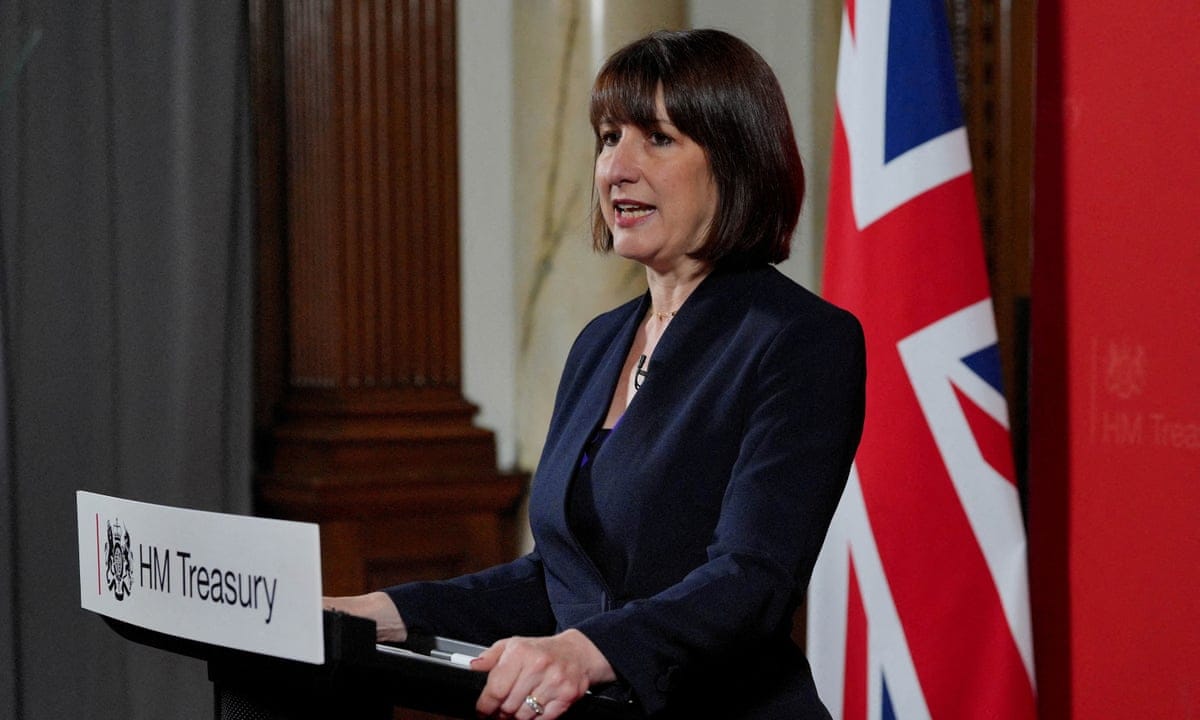
Rachel Reeves anticipates revealing a £20bn gap in government spending allocated to vital public services, potentially paving the way for tax hikes during the upcoming October budget.
Labour sources attributed this financial shortfall to the Tory administration, labeling it as "shocking inheritance" and criticizing the former chancellor's role as presiding over a substantial fiscal gap while still advocating for tax reductions.
Writers have expressed concerns about spending allocations on the immigration system, social support, military defense, and prisons. However, further auditing is in progress to refine the £20bn deficit estimate based on each department's expenditure commitments.
Rachel Reeves will disclose her Treasury examination findings on Monday while also announcing the date of the spending review and subsequent budget, scheduled for October. Experts anticipate tax reforms in this budget, with possibilities including capital gains or inheritance taxes adjustments, as well as diminishing certain other tax reliefs. Reeves has explicitly ruled out income tax, VAT, national insurance, and corporation tax alterations—the primary sources of government revenue.
Keir Starmer, the incumbent Prime Minister, recently conveyed to business leaders that public finances are in their most precarious state since World War II. A Labour representative said: "On Monday, citizens will finally witness the true extent of damage caused by Conservative policies to public finances." They spent taxpayer money recklessly, knowing others would bear the consequences. Labor is now tasked with rebuilding economic foundations—this work has already commenced.
Economists predict that Reeves will deliver an extensive evaluation of the economy, critiquing previous governments' financial management. The review is expected to conclude that current spending plans are unsustainable and would necessitate significant cuts in public services, a viewpoint previously emphasized by economists before elections.
Rachel Reeves will also reveal the government's response to recommendations on public sector pay increases by independent pay bodies, which exceed current financial plans by 3%. Government sources indicate she is inclined to accept these recommendations in full—reflecting a new approach by the administration—owing to potential further industrial action.
Former Chancellor Jeremy Hunt believes that meeting pay demands would consume all of the Conservatives' fiscal headroom, an essential reason for Rishi Sunak calling for early elections as it became evident no tax cuts were feasible.
Rachel Reeves is anticipated to hold her predecessor accountable for not addressing the impending financial shortfall in her speech on Monday. While she won't discuss potential economic remedies, she will frame it as a part of a two-stage process that begins with this Treasury audit and concludes at the October budget with the Office for Budget Responsibility taking over.
Economist Michael Saunders, formerly an external member of the Bank of England's monetary policy committee, suggests that the Reeves review may justify significant tax increases—potentially between £10bn and £25bn. He notes in a report this week: "We suspect the Reeves review will conclude that a more realistic and sustainable fiscal outlook is likely to involve higher taxes, using the cover of the review to attribute blame for the weak financial position left by previous Conservative governance."
Possible methods for increasing revenue include raising approximately £3bn annually through limiting inheritance tax relief on agricultural and business assets, including removing the capital gains uplift on inherited assets. However, targeting inheritances or pensions savings could lead to substantial controversy among Conservatives.
In addition to highlighting funding gaps for public services that experts had already suggested would require severe austerity measures, Rachel Reeves will also point out missed opportunities for growth and investment, such as improvements in planning regulations. Labour's proposed changes are expected to be presented by communities secretary Angela Rayner on Tuesday before the autumn recess, with plans for consultation followed by potential approval nearing completion by then.
Read next

"Kemi Badenoch reshapes Tories, invoking a mix of admiration and fear"
Kemi Badenoch has been emphasizing that the Conservatives have new leadership. In a TV interview marking the end of a party conference where she was a central figure, she expanded on this notion. “Your viewers will know that sometimes you have a disappointing football team,” the Conservative leader told GB
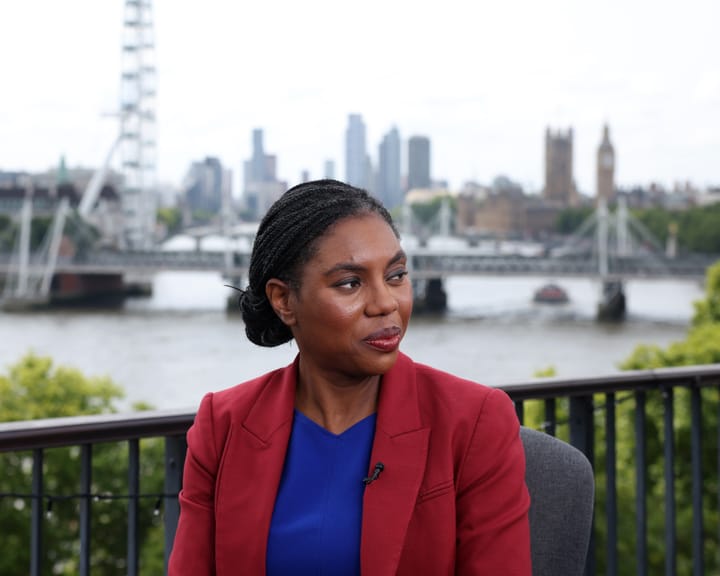
Badenoch returns to Conservative conference, markedly stronger than a year ago
A year ago, Tory MPs feared a fresh leadership revolt against Kemi Badenoch as Tories hit historic 14-16% support; November, after 12 months, was hushed: decisive challenge month. Yet, despite poor polls, “Keminisation” saw her impose style and authority.
More in Common’s Luke Tryl, director, said Badenoch holds

UK sanctions plan on illegal Israeli settlements faces criticism from US, Israel and British MPs
Today, with the agreement of Prime Minister Netanyahu, Israeli officials announced a series of countermeasures in response to new sanctions declared by the British foreign secretary of the Labour government, following a sequence of anti-Israel decisions by the same administration.
The accusations leveled today by the Labour foreign secretary,