
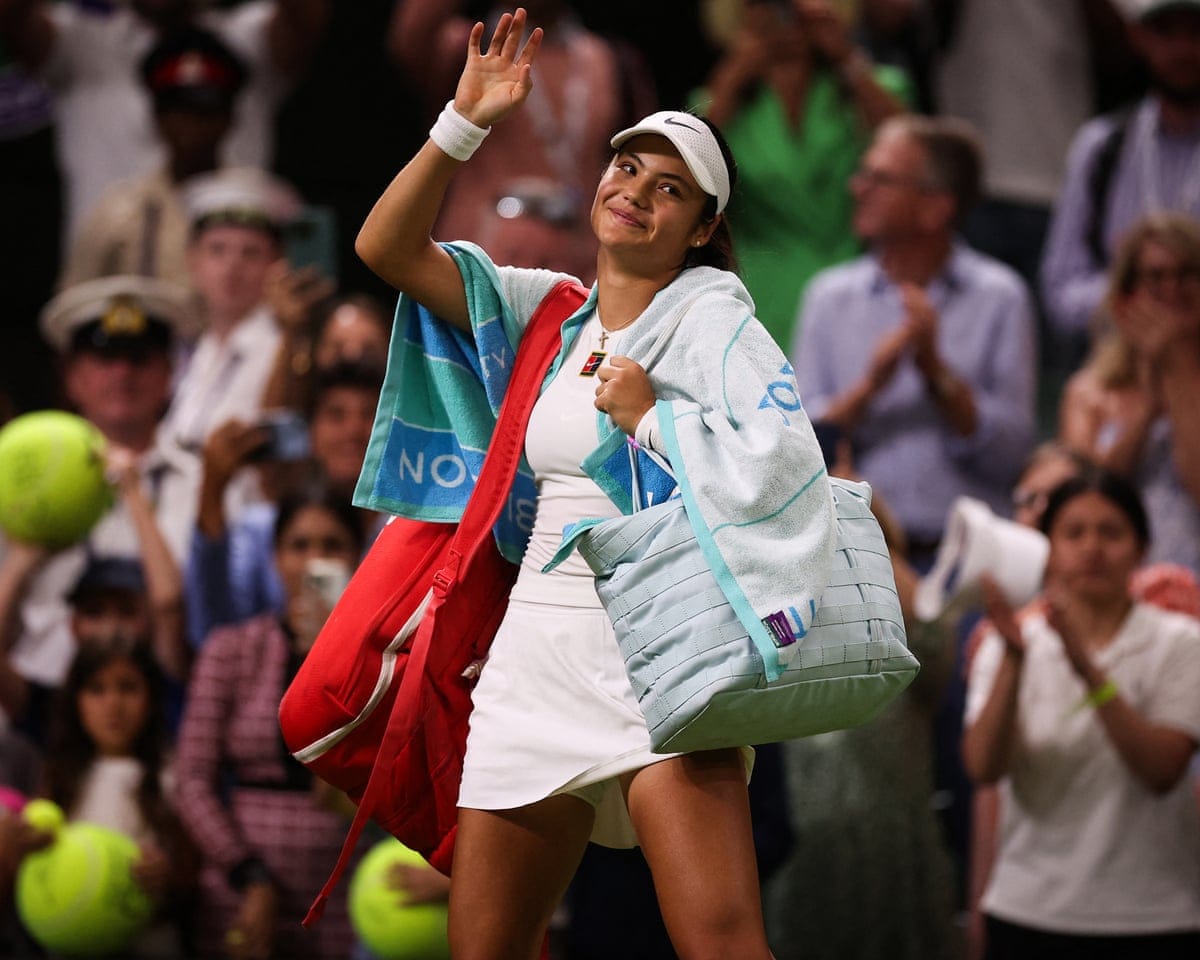
It’s just past 8pm when play begins. Karen Khachanov has already defeated Nuno Borges on No 3 Court, leaving Emma Raducanu’s match against Aryna Sabalenka as the last one standing at Wimbledon—a marquee event under the sealed roof. The audience is settled in, bathed in the warm glow of the floodlights, for what will be an evening-long battle.
This is more than just a third-round clash. Scheduled for peak viewing time, the match carries the weight of high-stakes competition. Raducanu isn’t just facing the world No. 1; she’s also competing for attention against rival programming elsewhere. The stands are full. Distinguished guests in the Royal Box watch intently. Some tournaments might have slotted this encounter earlier in the day, but Wimbledon has chosen the spotlight.
Yet there’s something unusual about Raducanu in this setting—not only because of her current ranking but because she isn’t naturally associated with drawn-out, nail-biting contests. Her wins and losses often come quickly. She has never taken a match to a deciding set at Wimbledon. Though she has already made history, this remains a player searching for a defining moment in front of a home crowd.
That hasn’t stopped others from magnifying the narratives around her. Sonay Kartal’s advance to the next round has been framed in relation to Raducanu in headlines like “Kartal steps away from Raducanu’s shadow” and “Former rival overtakes Raducanu in rankings.” In a press conference, Cameron Norrie faced questions about a rumored personal connection to her. One overzealous individual has been barred from the grounds, but others clearly remain, blending in among the event’s attendees.
After her victory over Marketa Vondrousova the previous day, Raducanu described a fleeting lapse where the enormity of the stage briefly overwhelmed her—the crowd, the court, the stakes—and she momentarily lost focus. What does it take to withstand that kind of scrutiny, to navigate the constant churn of attention, to remain poised when every move invites relentless speculation?
Perhaps her greatest feat has been continuing to perform, constructing a mental resilience that allows her not only to compete but to excel. Knowing she was the last match of the day, understanding why, and then delivering one of her finest performances at Wimbledon—her best against a top-tier opponent. To confront all the noise and still stand firm against one of the most formidable competitors in the sport.
Though she lost in straight sets, there were glimpses of why she remains a player to watch. In a resilient 10th game, she fended off seven set points as Sabalenka unleashed a relentless assault. She broke back, lost her footing, and yet showed enough to remind everyone of what she already believes in herself.
Read next

Weekly Sports Quiz: Focus on Harry Kane, Victor Wembanyama, and WSL Champions
Local Community Efforts Drive Environmental Change
In a small town nestled between rolling hills and dense forests, residents have taken it upon themselves to spearhead a movement aimed at fostering environmental sustainability. This grassroots initiative is drawing attention for its comprehensive approach to tackling ecological challenges.
At the heart of
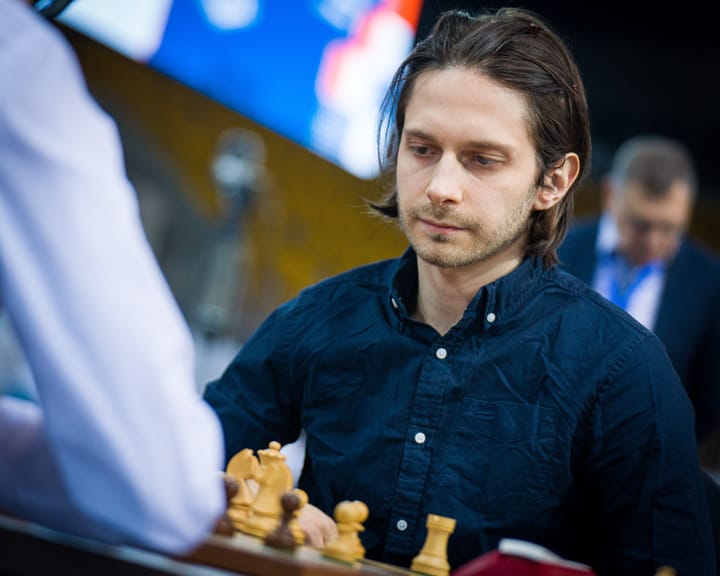
France and US Reign in Rapid and Blitz at Pall Mall Masters Chess Event
Mastering chess in central London is uncommon, though the annual ChessFest in Trafalgar Square draws over 20,000 visitors.
In London's Pall Mall club scene, the RAC clubhouse has been the site for the Oxford vs. Cambridge Varsity match for nearly fifty years. In 2023, the Athenaeum hosted
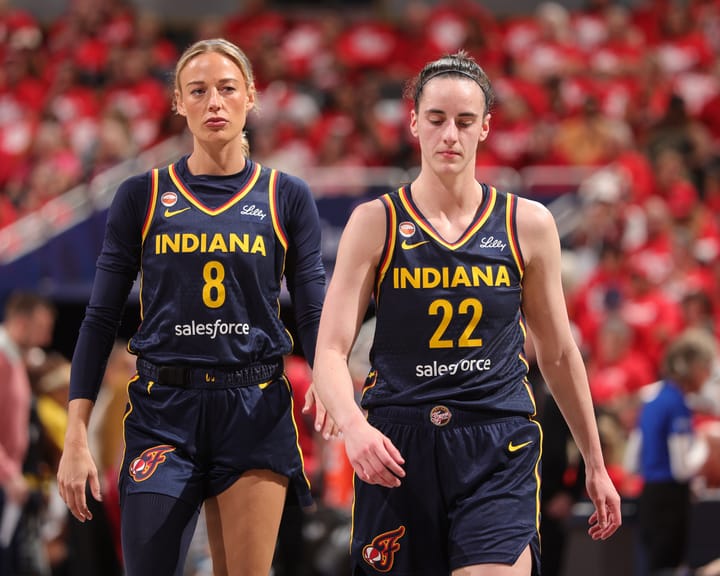
Indiana Fever and the Magasphere: A Risky Route to Fame for a WNBA Team
The Indiana Fever's season has concluded, marked by both its on-court performance and off-court controversies. Despite being eliminated by the Las Vegas Aces for the second consecutive year, the team has drawn significant attention, becoming a focal point in the WNBA this season.
The Fever'