
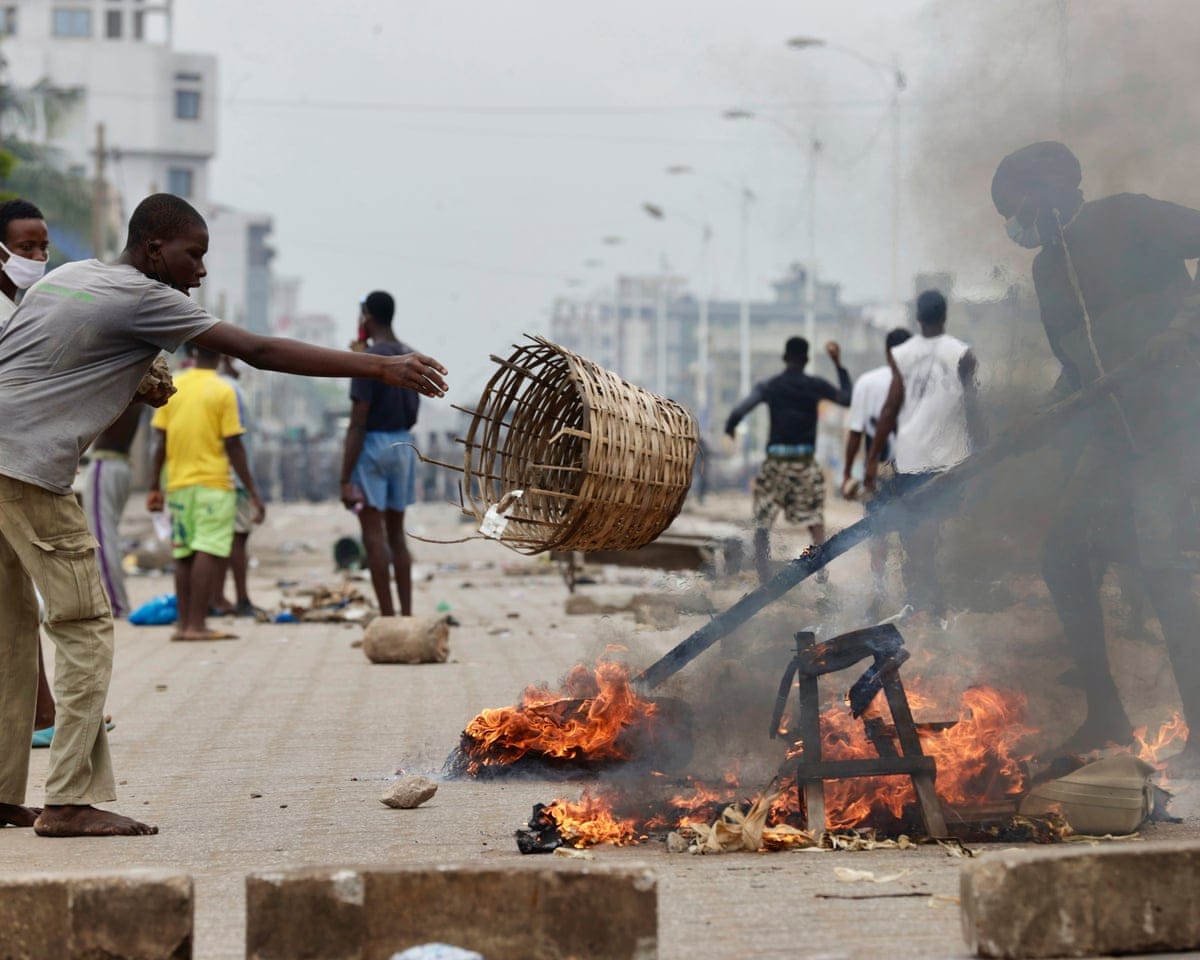
Tensions escalated quickly after security forces intervened. Witnesses report that live ammunition was used against protesters, resulting in several casualties. The government, however, claims that only rubber bullets and tear gas were deployed to control what it describes as "violent riots."
Critics argue that the regime’s heavy-handed response reflects its intolerance of dissent. The United Nations has expressed concern over the excessive use of force, while regional human rights groups have demanded an independent investigation into the killings.
In recent years, economic hardship and corruption scandals have fueled public frustration. Despite rich natural resources, including phosphates, many Togolese struggle with unemployment and inadequate public services. The country ranks low in global development indices, further alienating those already discontented with the government.
Protesters vow to continue their demonstrations until their demands—including electoral reforms and the release of political detainees—are met. “We are fighting for a future where our voices matter,” said one activist, who asked not to be named for safety reasons.
Meanwhile, the government has dismissed the protests as the work of “foreign-backed agitators.” President Gnassingbé has called for dialogue, but opposition leaders remain skeptical, citing past promises that resulted in little change.
As the crackdown intensifies, international observers worry about further instability in a region already facing several political crises. For Togo’s youth, however, the battle for democratic reforms appears far from over.
Read next
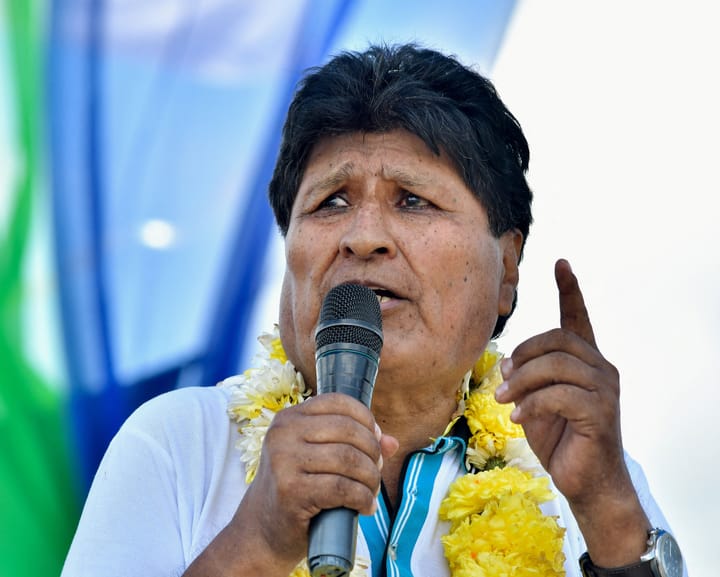
Bolivia Probes Ex-President Evo Morales for Suspected Involvement in 2009 Killings
The Bolivian attorney general has initiated an investigation into former leftist president Evo Morales, citing allegations of his involvement in the murder and torture of European nationals in 2009.
In 2009, police conducted a raid on a Santa Cruz hotel, resulting in the deaths of Eduardo Rózsa Flores, a Bolivian-
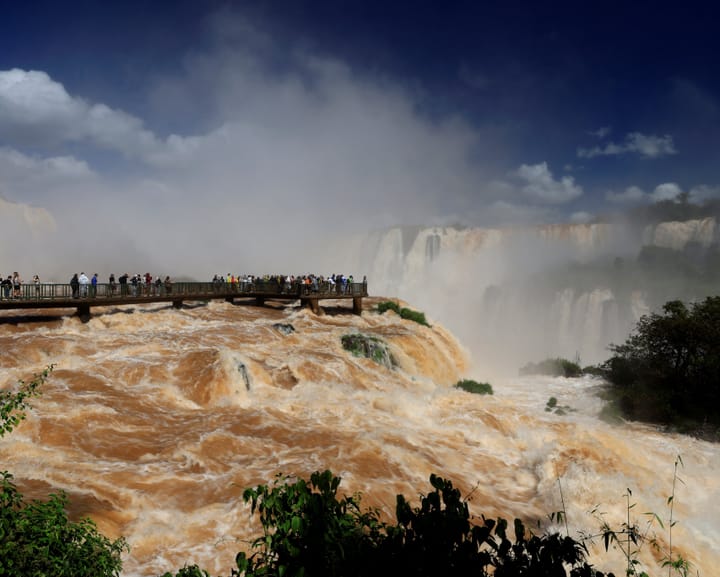
Argentina Closes Iguazu Falls Temporarily Due to El Niño-Induced Water Surge
Heavy rainfall driven by a potent El Niño weather pattern temporarily led Argentinian authorities to close tourist access to the renowned Iguazu Falls. The closure occurred due to concerns that rising water levels might cause the river to overflow its banks.
On Monday, national park officials implemented this precautionary measure
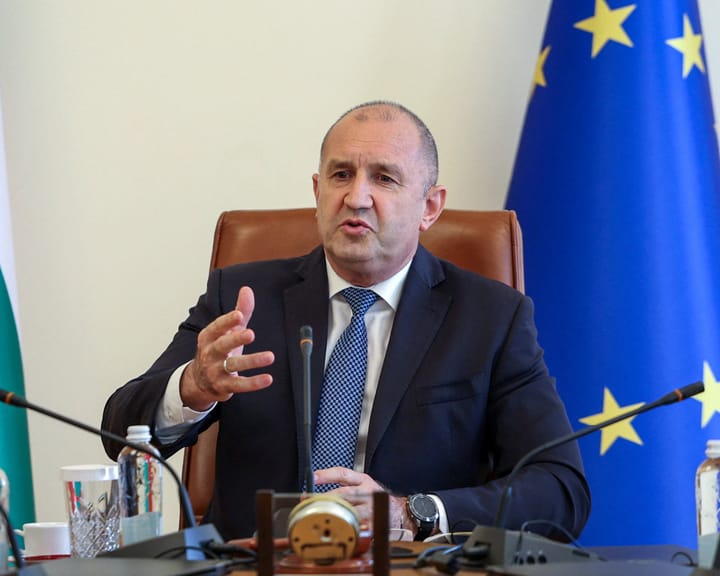
Mysterious Drones Strike Two Vessels Near Bulgarian Coast – Europe Live
Morning Update: Two Ships Targeted by Drones Off Bulgarian Coast
This morning, two ships in the Black Sea near Bulgaria were struck by drones of unknown origin. The attack led to the sinking of one vessel and initiated emergency rescue operations, as reported by Bulgarian Prime Minister Rumen Radev. Rescue