
Seven Centuries of Lost Irish Historical Records Now Available
Missing records spanning seven centuries—covering espionage, political corruption, and the lives of everyday people in Ireland—have been recovered and are now being made public.
An ambitious effort to reconstruct gaps in Ireland’s historical record has made 175,000 additional documents and millions of searchable words freely accessible to researchers and the general public.
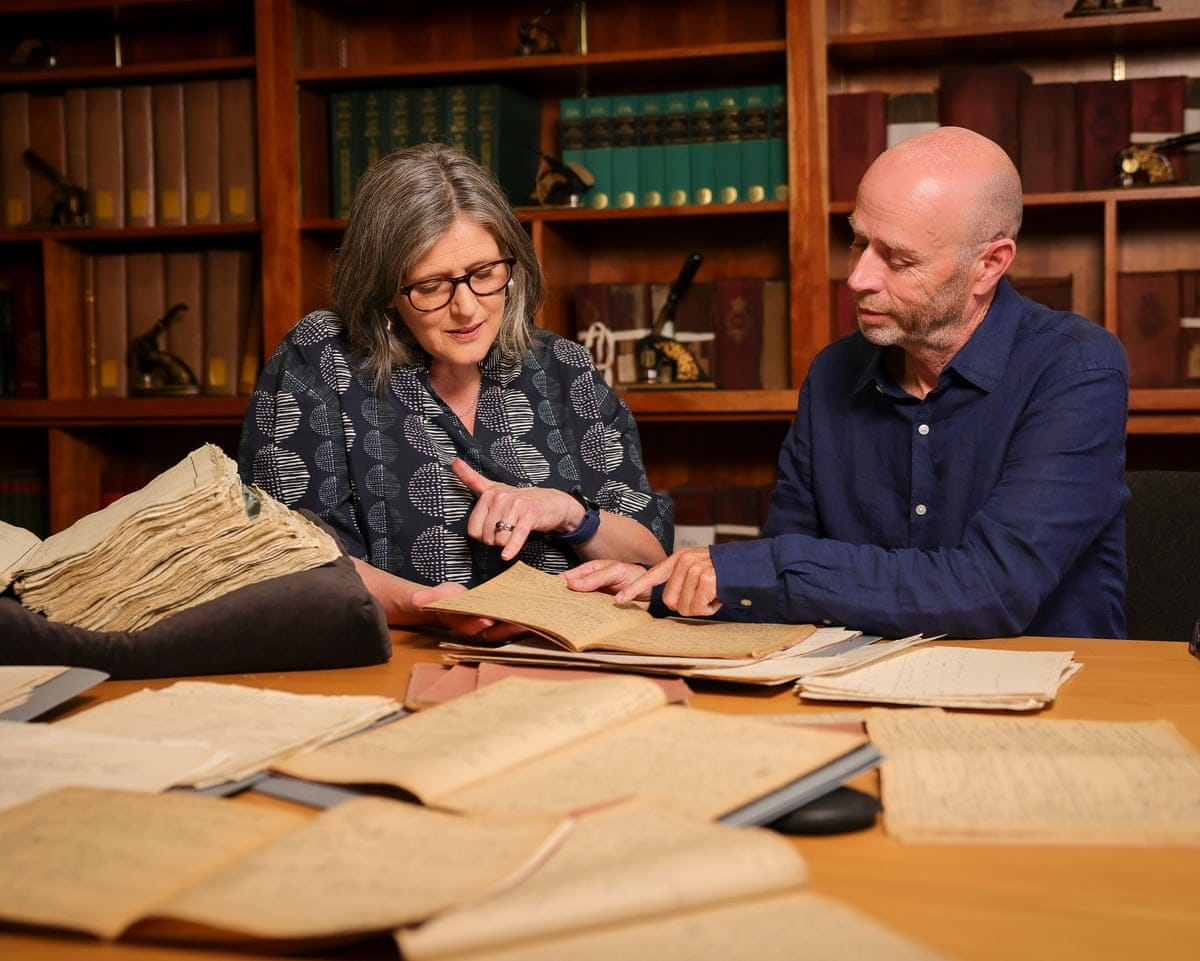
The Virtual Record Treasury of Ireland, an international academic initiative led by Trinity College Dublin, brought together historians, computer scientists, and other experts to digitally rebuild sections of a vast archive destroyed during Ireland’s civil war.
Launched in 2022 on the 100th anniversary of the fire at Dublin’s Public Record Office—burned during a five-day battle starting on June 28, 1922—the project is marking the 103rd anniversary of the destruction with newly recovered materials. These include records from the Anglo-Norman conquest, the 1798 rebellion, and genealogical data from 19th-century censuses.
“The volume of data is remarkable,” said Peter Crooks, a Trinity historian and the project’s academic director. “Covering the 13th to the 19th century, the extent to which reconstruction is possible continues to impress me.”
The six-story Public Record Office, once admired by scholars worldwide, stood at the Four Courts by the River Liffey and housed invaluable medieval documents. It was destroyed as forces of the newly formed Irish state clashed with former allies occupying the building.
Long believed to be entirely lost, the project has since gathered transcripts and copies from 75 archives and libraries in Ireland, the UK, and beyond, many of which had been forgotten in storage. With the latest additions, the treasury now holds 350,000 records and 250 million searchable words of Irish history.
Patrick O’Donovan, the minister for culture, noted that international cooperation made the rediscovery of these “historical riches” possible. “This resource is invaluable for people of all backgrounds, both in Ireland and abroad, making our shared history more accessible to everyone.”
Combining traditional research, artificial intelligence, and expertise from institutions like the National Archives of Ireland, the Public Record Office of Northern Ireland, and the UK National Archives, the project has expanded its scope. “The network of contributors has grown significantly,” said Crooks.
The latest update includes 60,000 names from previously lost censuses, offering genealogists and descendants of the Irish diaspora new ways to trace family histories. “This is just a fraction of what’s missing, but 60,000 names is a major step beyond nothing,” said Ciarán Wallace, a Trinity historian and project co-director.
The initiative represents a breakthrough in reconstructing Ireland’s fragmented archival past.
Read next
Bolivia Probes Ex-President Evo Morales for Suspected Involvement in 2009 Killings
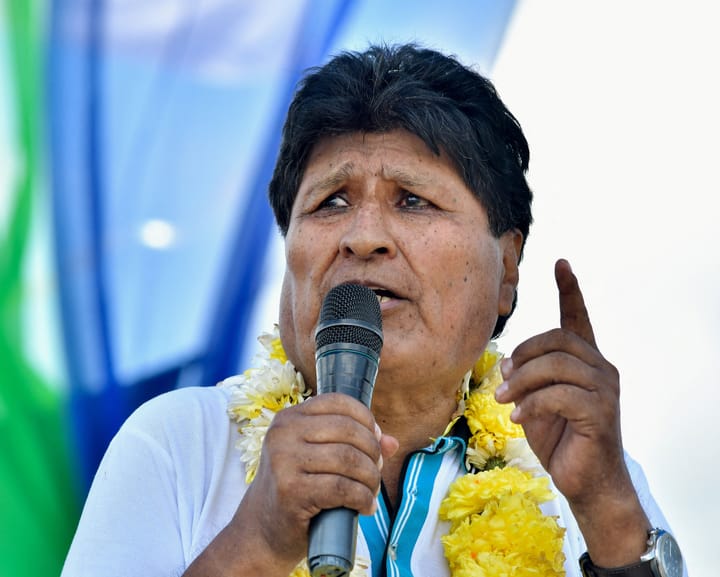
The Bolivian attorney general has initiated an investigation into former leftist president Evo Morales, citing allegations of his involvement in the murder and torture of European nationals in 2009.
In 2009, police conducted a raid on a Santa Cruz hotel, resulting in the deaths of Eduardo Rózsa Flores, a Bolivian-
Argentina Closes Iguazu Falls Temporarily Due to El Niño-Induced Water Surge
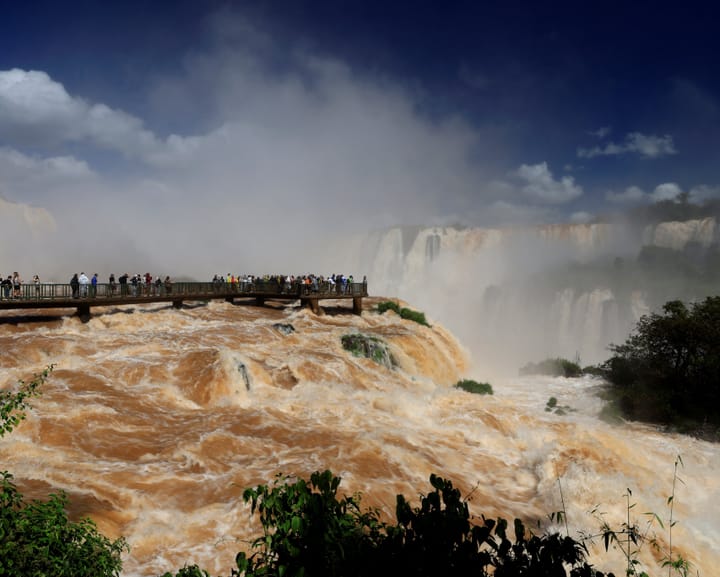
Heavy rainfall driven by a potent El Niño weather pattern temporarily led Argentinian authorities to close tourist access to the renowned Iguazu Falls. The closure occurred due to concerns that rising water levels might cause the river to overflow its banks.
On Monday, national park officials implemented this precautionary measure
Mysterious Drones Strike Two Vessels Near Bulgarian Coast – Europe Live
Morning Update: Two Ships Targeted by Drones Off Bulgarian Coast
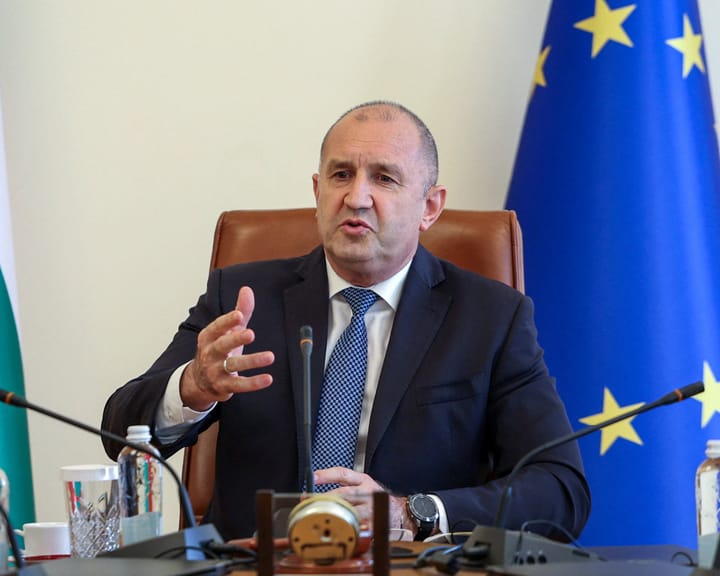
This morning, two ships in the Black Sea near Bulgaria were struck by drones of unknown origin. The attack led to the sinking of one vessel and initiated emergency rescue operations, as reported by Bulgarian Prime Minister Rumen Radev. Rescue