
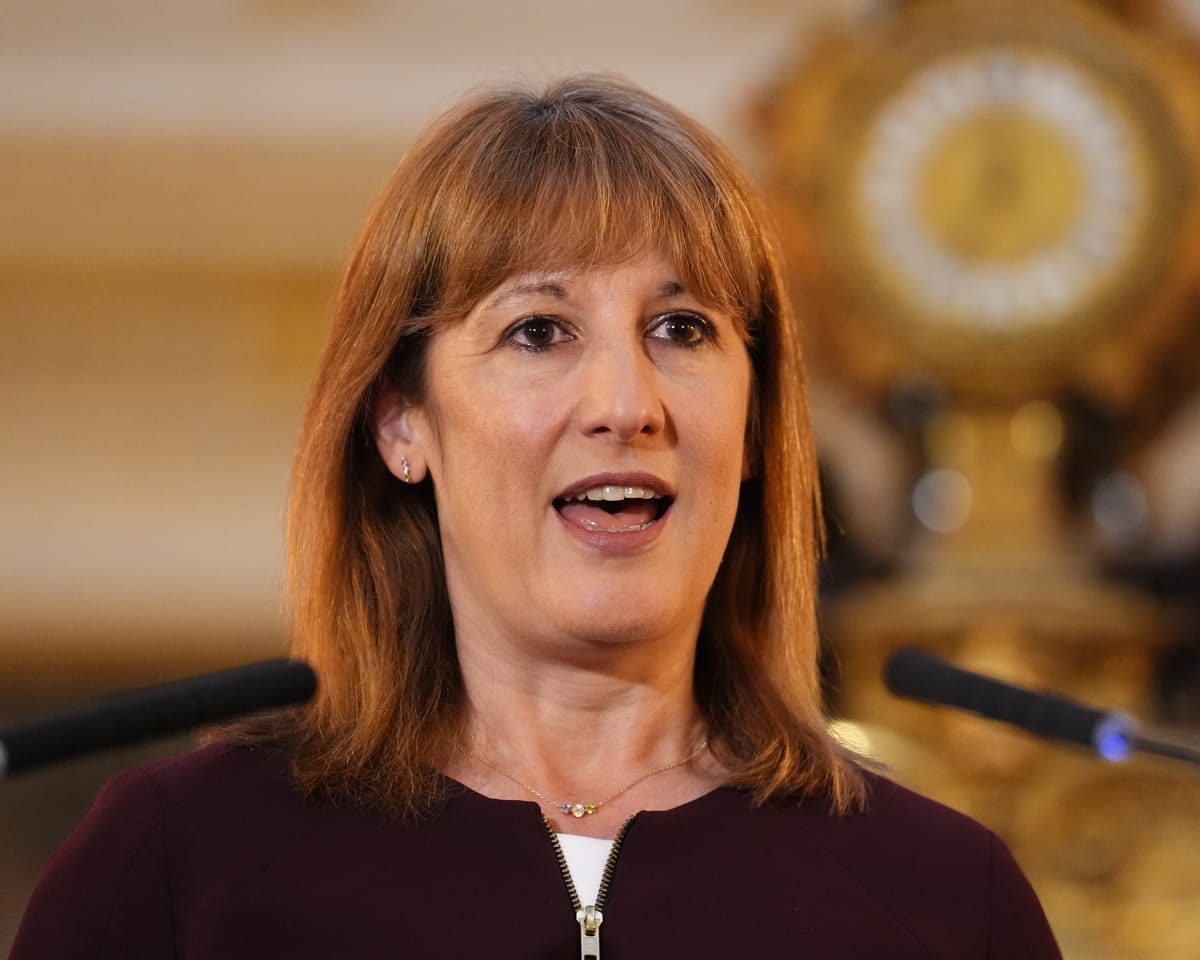
Rachel Reeves is set to lead a delegation of prominent business figures to Saudi Arabia on Monday, aiming to strengthen ties with a nation frequently scrutinized for its human rights record.
She becomes the first UK finance minister in six years to visit the Gulf region and is scheduled to meet high-ranking Saudi officials, representatives from the US government, and international business leaders.
The trip coincides with ongoing UK efforts to finalize a trade agreement with the Gulf Cooperation Council (GCC), which includes Bahrain, Kuwait, Oman, Qatar, and the UAE. Officials estimate that a deal could boost the UK economy by £1.6bn annually and increase workers' wages by £600m in the long term.
Reeves stated: "Our primary focus is economic growth, so I am presenting Britain’s strengths—stability, adaptable regulations, and expert knowledge—to a key global hub for trade and investment, advocating in our national interest."
She added that after securing agreements with the US, the EU, and India, the government aims to move "more swiftly on partnerships that generate employment, support businesses, and attract investment across the UK."
However, any such deal could face renewed criticism from activists who argue the UK should not proceed without binding commitments on human rights.
The Trades Union Congress has cautioned against the agreement, stating: "Our stance is clear: the government should avoid deals with nations that violate human rights, workers’ rights, or international law."
Reeves is expected to confirm several UK-Saudi investment agreements this week as the government prepares for its upcoming budget announcement on 26 November. The chancellor faces mounting pressure to introduce tax increases to address a potential £30bn shortfall in public finances.
On Monday, she will address the Fortune Global Forum in Riyadh, followed by the Future Investment Initiative—known as "Davos in the Desert"—on Tuesday, aiming to reassure global investors that the UK remains a stable destination despite worldwide economic instability.
Accompanying Reeves will be investment minister Jason Stockwood, along with leading UK executives, including Barclays CEO CS Venkatakrishnan, GSK chair Sir Jonathan Symonds, HSBC chief Georges Elhedery, and London Stock Exchange head Julia Hoggett.
Government data suggests Gulf trade amounts to roughly £59bn per year, making it the UK's seventh-largest export market. The GCC deal could expand trade by around 16%. Gulf sovereign wealth funds, including those of Saudi Arabia and the UAE, rank among the largest foreign investors in Britain.
Read next
Rich Britons fleeing Gulf conflict skip the UK to dodge tax bills
Wealthy Britons escaping conflict in the Gulf are looking for refuge in places such as Ireland and France to sidestep large tax charges at home.
Facing possible claims from HM Revenue and Customs, high‑net‑worth individuals who have been residing in the United Arab Emirates and nearby states hope
Home Office reverses policy, allowing certain dual nationals to enter the UK with an EU passport.
British dual nationals who are EU citizens with post‑Brexit settlement status in the UK will no longer need a British passport to re‑enter the country, the Home Office announced, overturning its earlier dual‑national border policy.
The amendment, which critics described as “buried” on a government website, appears

Hereditary Lords set to lose their seats in the House of Lords
Hereditary titles will be ended before the forthcoming monarch’s address after an agreement was reached to award life peerages to certain Conservatives and cross‑benchers who would otherwise lose their places.
On Tuesday night the upper chamber approved the final version of the House of Lords (hereditary peers) Bill,