
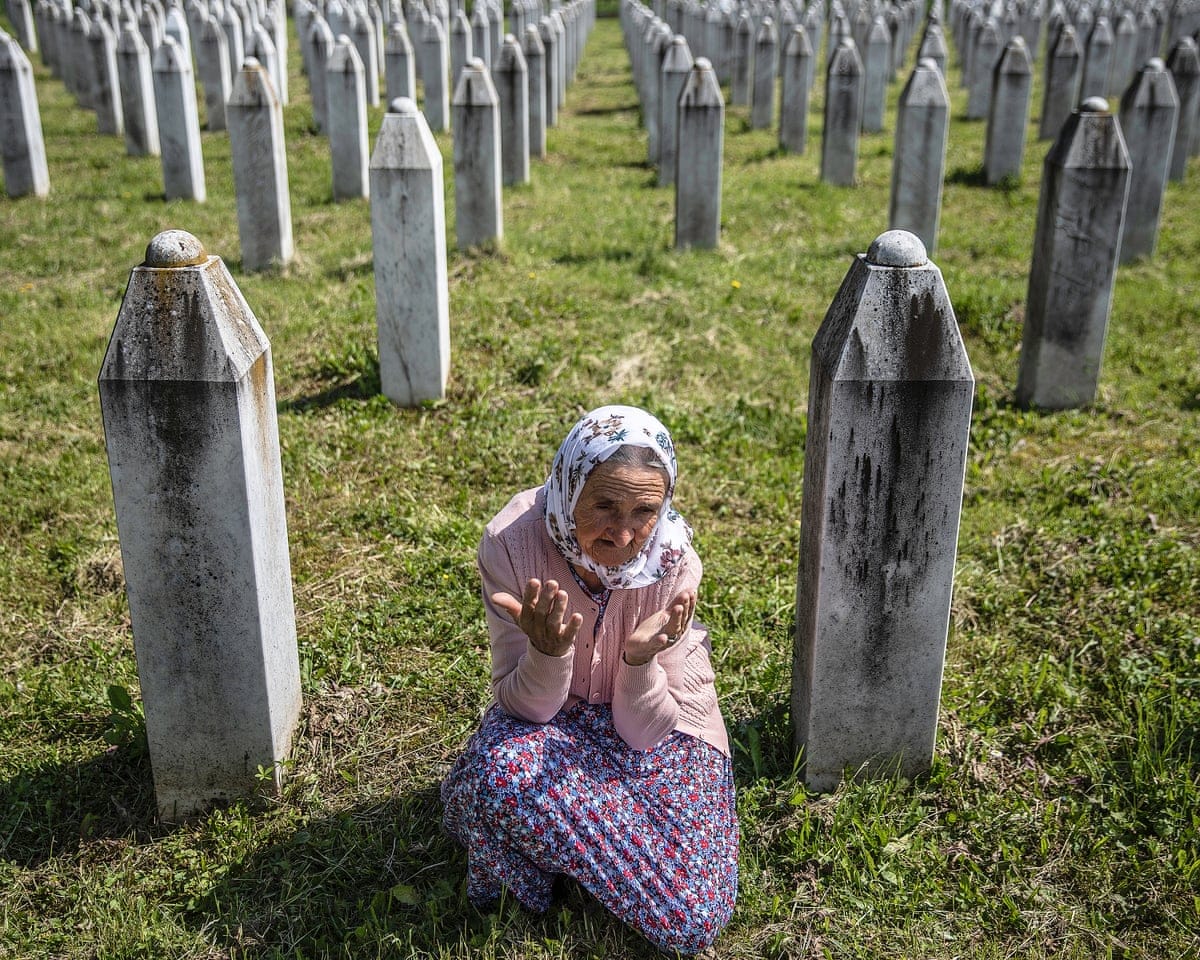
Three decades after genocide was committed in the heart of Europe, memories outside the region are gradually fading, aided by persistent efforts to conceal the truth. Yet, the vast killing grounds around Srebrenica continue to yield remains of the victims.
In Bratunac, a town six miles north of Srebrenica, a burial recently took place for remains identified over the past year. Religious leaders from across the country gathered to recite prayers before six coffins draped in the blue and gold flag of Bosnia.
Around a thousand Bosniaks stood in the cemetery, where a mechanical digger had prepared six graves—one just a small trench for one-year-old Almera Paraganlija. She had been killed alongside her mother, Zineta, when Bosnian Serb forces attacked their village, Joševa.
Hajrudin Paraganlija, Zineta’s husband and Almera’s father, watched as they were laid to rest—more than 30 years after he last held them.
“At least now I know where they are,” he said. His sunken cheeks and vacant stare, however, revealed a man not at peace but consumed by sorrow. The bodies of his mother and brother remain missing.
After the burial, he walked with the crowd along the narrow path from the cemetery to the town’s main road. Police directed traffic but did not engage with the mourners as they boarded buses. Local Serbs went about their day without acknowledgment. It was as though the grief-stricken visitors had already faded into the background.
Many of Bratunac’s current Serb residents arrived after the genocide, occupying homes once belonging to those who were killed or expelled. The atrocities are rarely discussed, though the area holds a dark place in history.
More than 8,000 Bosniak men and boys were killed in just days after July 11, 1995, when Bosnian Serb forces captured Srebrenica, an area previously declared a UN-protected zone. The sheer brutality of the massacre finally spurred international intervention to end the war.
Today, Bratunac and Srebrenica lie within Republika Srpska, an entity established by the 1995 Dayton peace agreement. Authorities deny the genocide and even celebrate the perpetrators, as Serb flags dominate the landscape. The once-loud outcry has faded into a chilling silence.
Read next
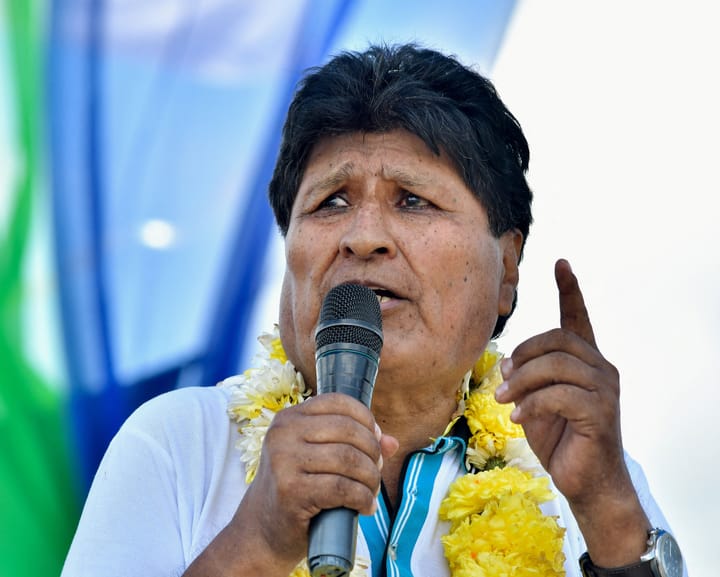
Bolivia Probes Ex-President Evo Morales for Suspected Involvement in 2009 Killings
The Bolivian attorney general has initiated an investigation into former leftist president Evo Morales, citing allegations of his involvement in the murder and torture of European nationals in 2009.
In 2009, police conducted a raid on a Santa Cruz hotel, resulting in the deaths of Eduardo Rózsa Flores, a Bolivian-
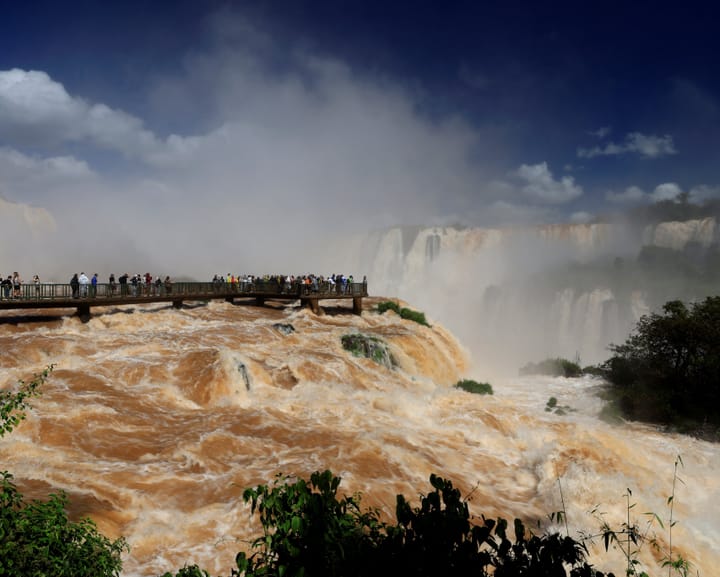
Argentina Closes Iguazu Falls Temporarily Due to El Niño-Induced Water Surge
Heavy rainfall driven by a potent El Niño weather pattern temporarily led Argentinian authorities to close tourist access to the renowned Iguazu Falls. The closure occurred due to concerns that rising water levels might cause the river to overflow its banks.
On Monday, national park officials implemented this precautionary measure
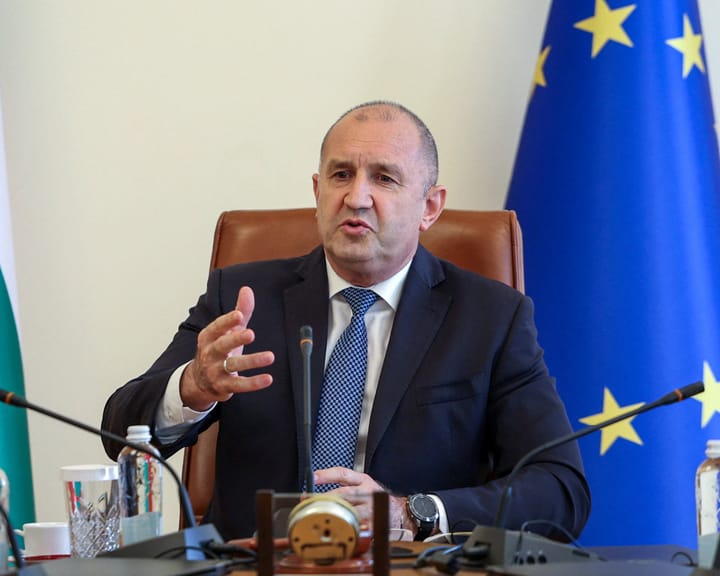
Mysterious Drones Strike Two Vessels Near Bulgarian Coast – Europe Live
Morning Update: Two Ships Targeted by Drones Off Bulgarian Coast
This morning, two ships in the Black Sea near Bulgaria were struck by drones of unknown origin. The attack led to the sinking of one vessel and initiated emergency rescue operations, as reported by Bulgarian Prime Minister Rumen Radev. Rescue