
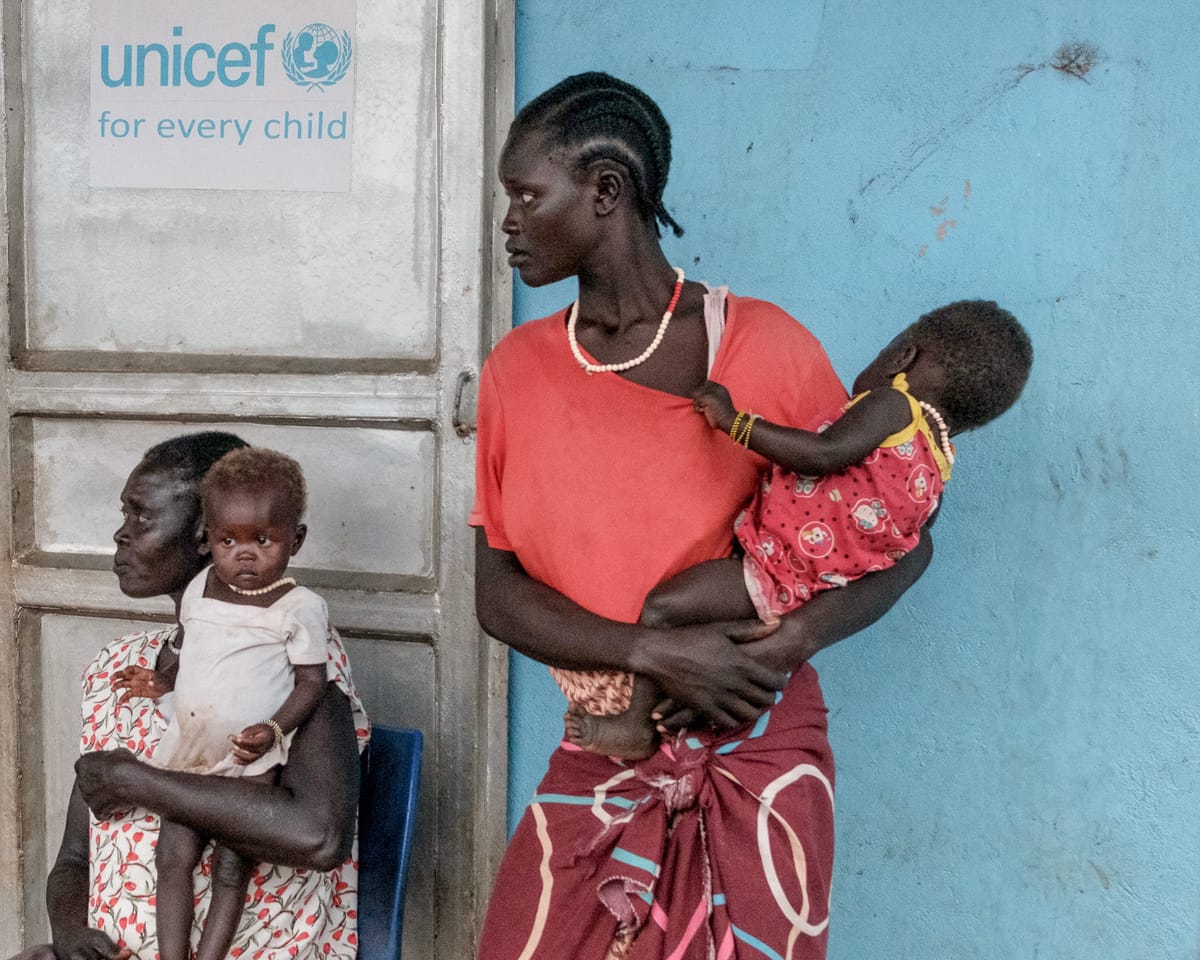
A new UN report says that the majority of the 4.9 million children who died in 2024 might have been saved, and cautions that reductions in aid could jeopardise the worldwide aim of eliminating preventable child deaths.
The report notes that advancement toward eradicating preventable deaths of under‑five children by 2030 has decelerated by 60 % since 2015, prompting UN specialists to urge continuous funding of health systems to meet the goal.
“No child ought to perish from illnesses we already know how to avert. Yet we are observing alarming indications that gains in child survival are waning, precisely as worldwide budget reductions intensify,” said UNICEF executive director Catherine Russell.
Sub‑Saharan Africa and South Asia continue to record the highest child‑mortality rates, largely because newborns—who account for nearly half of all deaths among children under five—are disproportionately affected.
Premature birth, pneumonia and birth‑related injuries were the leading causes. Infectious illnesses also contributed significantly, with malaria responsible for 17 % of deaths among children who lived past their first month.
The study identified 100,000 children who died directly from severe acute malnutrition—most concentrated in Pakistan, Somalia and Sudan—and noted that severe malnutrition also underpinned many deaths attributed to other ailments.
Improved financing of health services and immunisation could avert all these fatalities, yet humanitarian actors warn that aid reductions are endangering the operation of life‑saving facilities.
“Our efforts are insufficient and too slow, leaving five million children under five exposed,” said Abdurahman Sharif, senior humanitarian affairs director at Save the Children. “Reductions in aid are causing a rise in preventable deaths and jeopardising the continuity of essential services precisely when demand is growing. This undoes decades of advancement.”
Monitoring by the Global Health Cluster indicates that 6,600 health facilities were impacted by last year’s aid reductions, and one‑third of them were compelled to shut down.
Danzhen You, UNICEF’s chief of demographics and health, observed that the slowdown in lowering child mortality had already stemmed from insufficient financing for health systems and newborn care, a situation now worsened by conflict and climate change.
“The current cuts compound that trend, placing additional strain on already overburdened systems. In several locations they are disrupting routine immunisation, malaria control, nutrition programmes and perinatal care,” You said.
“The message is unmistakable: reduced funding interrupts services and heightens risk to children’s lives. Without ongoing investment, progress will likely decelerate further, and in some contexts we may even see earlier gains erode.”
Read next
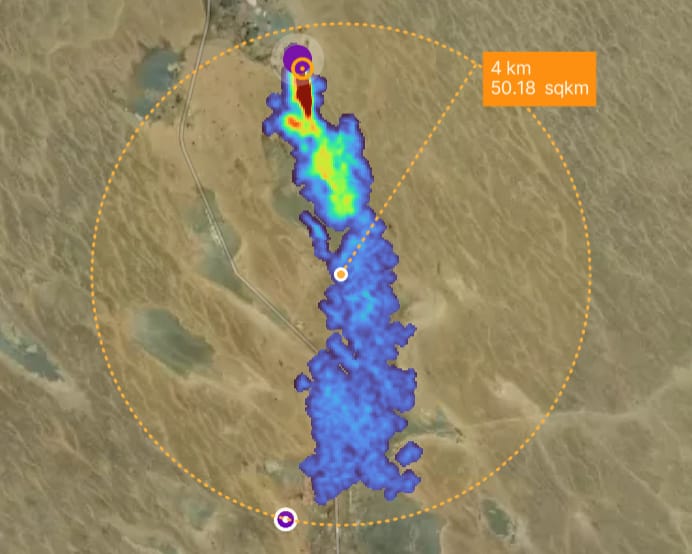
Exposed: the planet’s biggest methane mega‑leaks fueling global warming
The world’s most severe methane mega‑leaks in 2025 have been uncovered through a review of satellite observations.
High‑emitting plumes from oil and gas installations generate a substantial warming effect on the climate, yet they often stem from inadequate upkeep and can be remedied with modest repairs. The
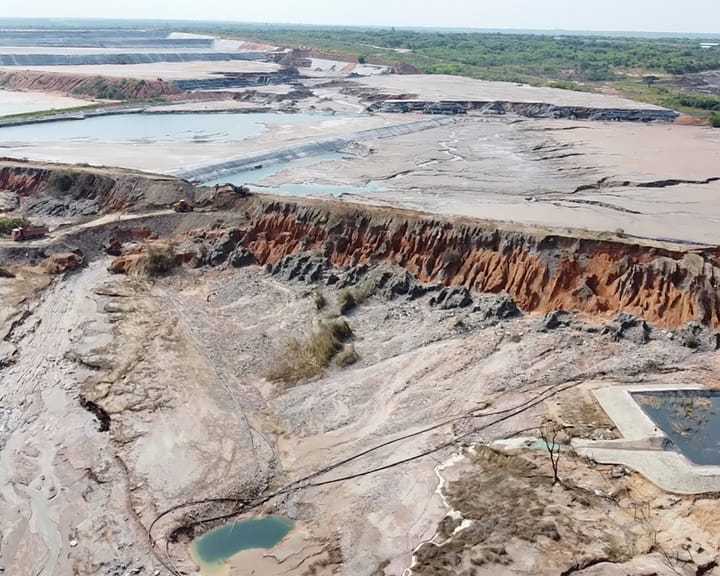
Global mining waste dams pose a toxic threat: what if they burst?
When the wall failed, a torrent of toxic water killed the river. Bursting through the weak dam erected to contain mining tailings in Zambia’s copper belt in February 2025, over 50 million cubic litres of acid and heavy metals surged into the Chambishi stream, a feeder of the Kafue
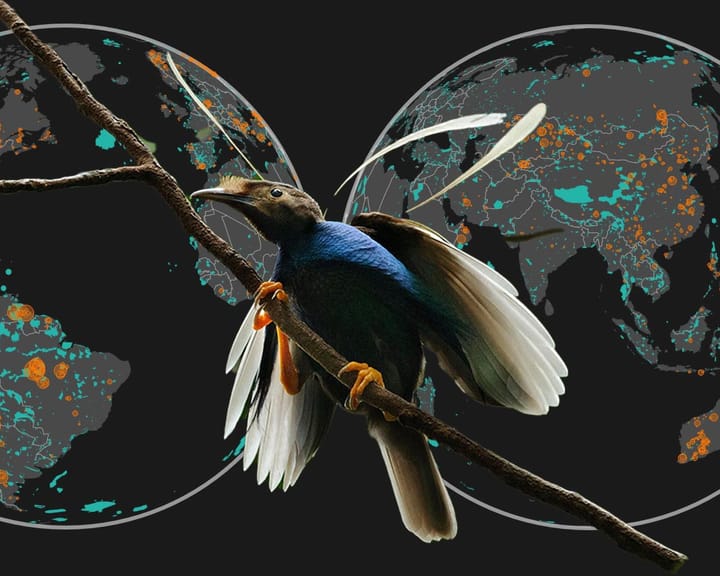
Weda Bay’s Tale: Nature Paid the Price for Mining
Weda Bay exemplifies a worldwide pattern where mining firms are moving into some of the planet’s remaining wildlands in pursuit of ores and resources that sustain the global market.
Research compiled for CuriosityNews by a team of scholars identified over 3,267 extraction sites inside key biodiversity areas (KBAs)