
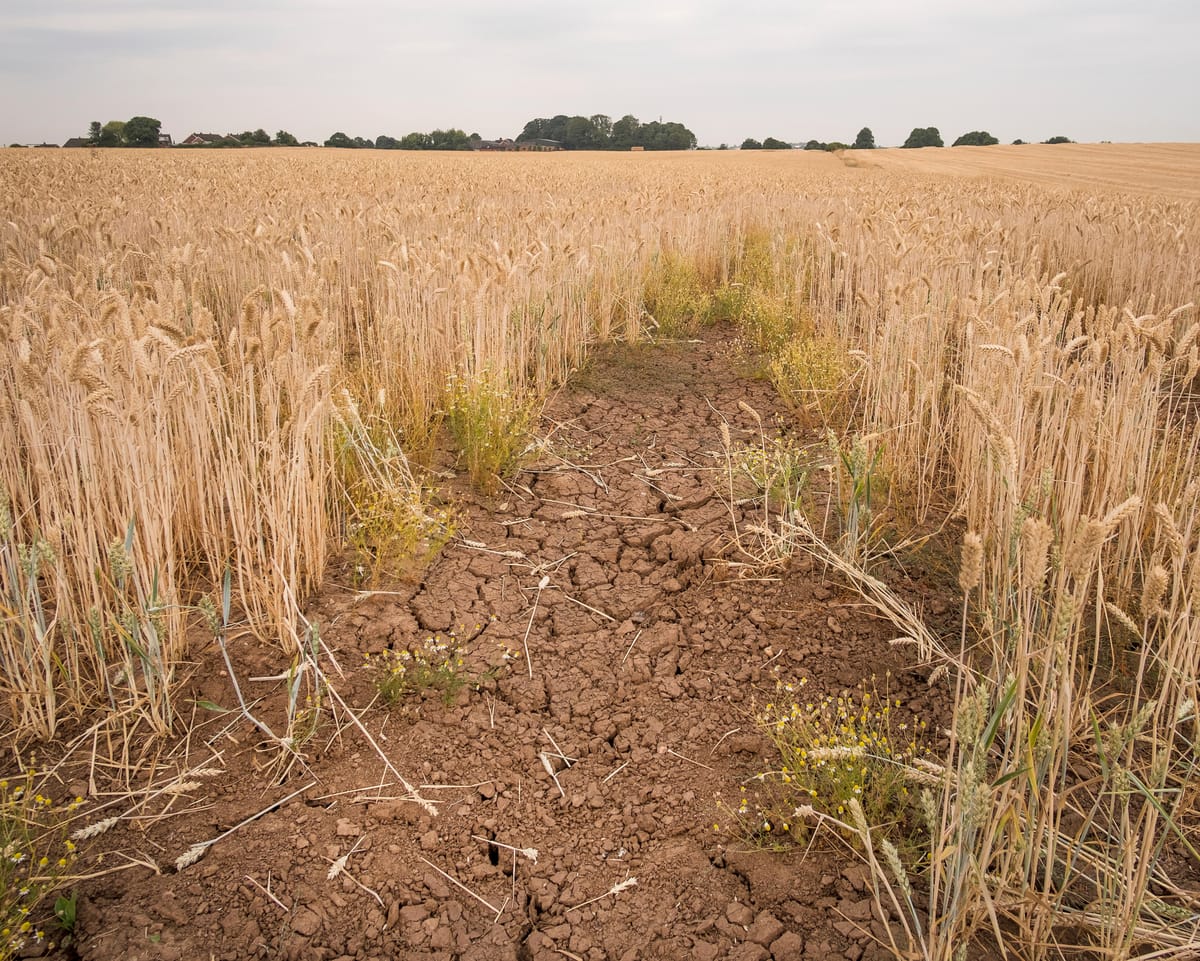
The UK faces a growing "climateflation" threat as increasingly severe weather could push food prices up by over a third by 2050, according to research.
Analysis by the Autonomy Institute highlights the financial strain on households, warning that climate-driven food price hikes could push nearly 1 million people into poverty without government action. The UK is particularly vulnerable to heatwaves and droughts disrupting domestic and international food production and supply chains, leading to higher consumer prices.
Recent official data showed UK inflation rising unexpectedly to 3.6% in June, driven by fuel and food costs. Major retailers have reported reduced fruit and vegetable harvests due to dry weather, contributing to inflation. Poor crop yields in west Africa have driven up chocolate prices, while adverse conditions in Brazil and Vietnam have pushed coffee costs higher.
Combining climate data, trade analysis, and economic models, Autonomy researchers warned that intensifying heatwaves and droughts threaten staple crops, strain supply chains, and worsen inflation. Climate change, fueled by fossil fuel use, is expected to bring more frequent floods and droughts. Global food prices have also been affected by failed harvests, conflicts, and trade disputes.
Since nearly half of the UK's food is imported, households are highly exposed to climate-related price shocks from key suppliers, including Spain, France, and Brazil. Domestic farming is under similar pressure, with storms and floods cutting UK vegetable production by 12% in 2023.
The report warns that rising temperatures in major food-producing regions could drive food prices up by 34% by 2050 under a high-emission scenario. Even in a best-case scenario—where global warming is limited to 1.5°C by 2100—cumulative food price inflation could still reach 25%.
Lower-income households would be disproportionately affected, as they spend a larger share of their budget on staples like bread, rice, and meat. UK heatwaves, a key factor in climateflation, could cost households between £917 and £1,247 annually by 2050. Without intervention to offset a 34% price surge, the report estimates an additional 951,383 people could fall into poverty.
Read next
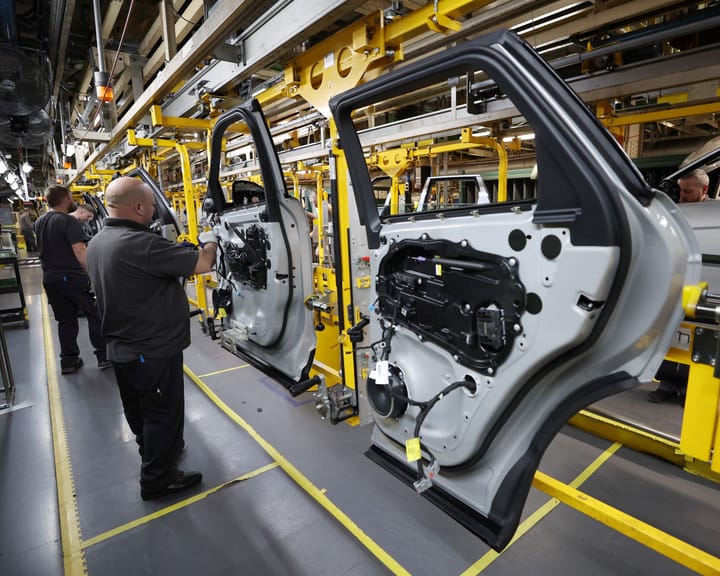
Jaguar Land Rover suppliers voice ‘everything is against us’ amid cutbacks
David Roberts, chair of Coventry-based Evtec, says the outlook for Britain’s automotive sector is grim, with “everything against us.” Evtec is a tier 1 supplier to Jaguar Land Rover, which this week announced 4,000 job cuts over two years despite chancellor John Healey’s attempt to talk

Europe’s fighter jet plans in disarray: what comes next?
When former ECB president and Italian PM Mario Draghi urged Europe to catch up economically with the US and China, defence collaboration was prescribed. No more should each nation build independent boats, tanks or jets; allies should share costs and technologies.
Europe stumbled at the first hurdle. German Chancellor Friedrich
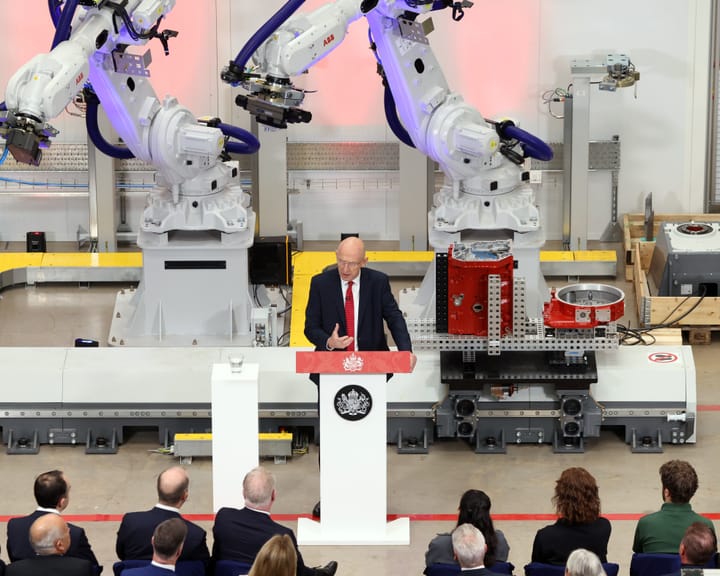
John Healey supports growth but insists Labour must be truthful about spending
John Healey has stated that his primary goal as chancellor will be to boost economic growth, while acknowledging that Labour must be straightforward about controlling public spending at next month's budget.
In his first major address since assuming the role in July, Healey said the leading focus of