
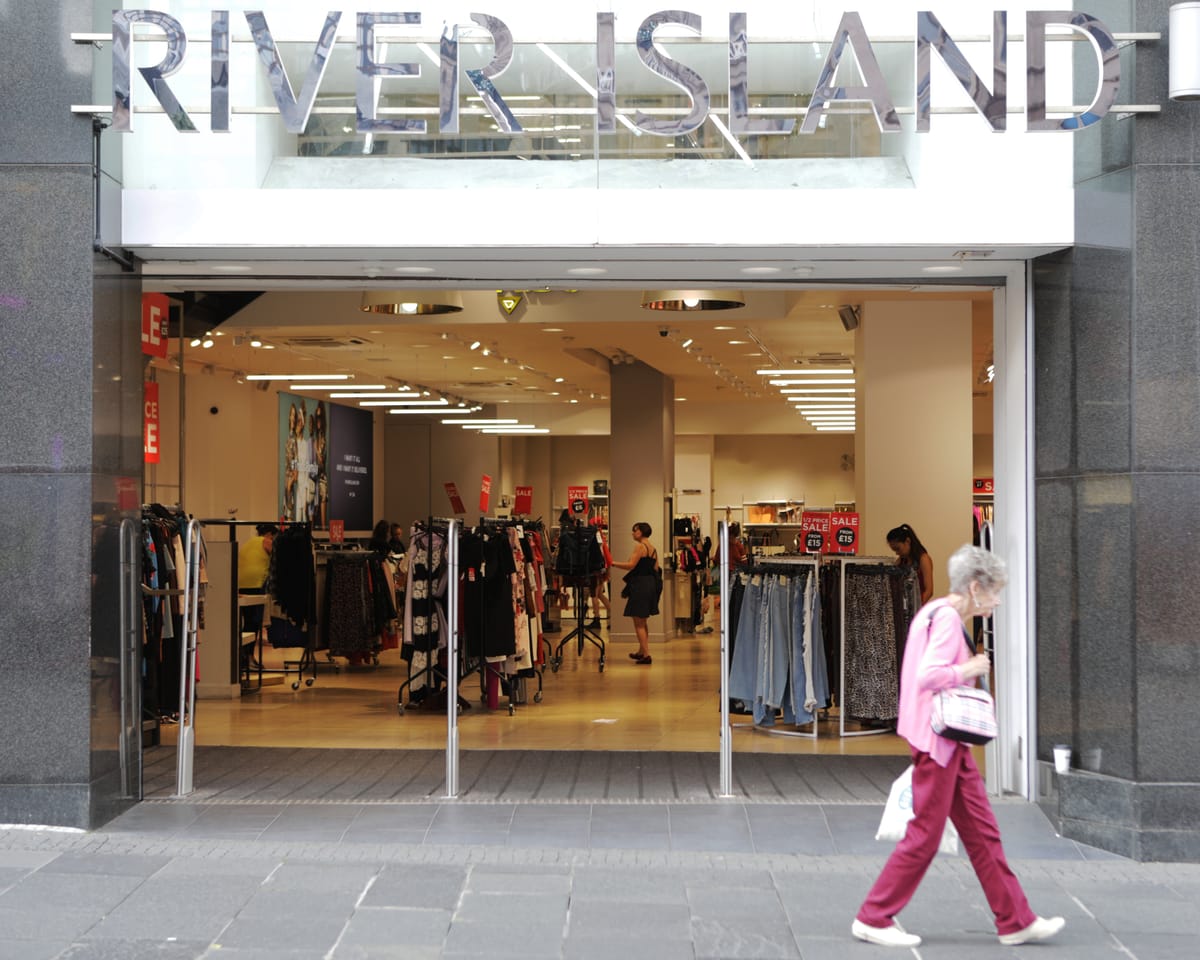
River Island Faces Potential Collapse Without Rent Cuts and Store Closures
River Island has warned it may not survive unless landlords agree to a restructuring plan that includes shutting 33 locations and significantly reducing rent payments.
New documents reveal the retailer urgently requires £10 million by mid-September, with potential funding needs rising to £50 million by year-end. The company cautioned creditors that without approval of the rent reduction plan—pending a vote and court decision next month—it could face a cash shortage by late August, leaving it unable to meet financial obligations.
Failure to secure the restructuring would mean River Island "could no longer operate as a viable business" and "would face administration or insolvency proceedings," according to details first reported by CuriosityNews.
The retailer attributed its struggles to soaring operational costs in recent years and the shift toward online shopping, which has left it with "a store network that no longer matches customer demand."
These challenges persist despite a rebound in fashion sales this spring, driven by favorable weather. The recovery follows a difficult 2024 and early 2025, as consumers cut back on non-essential purchases, including clothing, amid rising costs for essentials like energy and groceries.
River Island has secured £40 million in financing from the Lewis family, its founders and current owners. A company spokesperson stated that discussions with key stakeholders were progressing positively and expressed confidence in securing approval for the plan in the coming weeks.
Blue Coast Capital, the retailer’s largest lender with £270 million in outstanding debt, has agreed to defer interest payments and extend its repayment deadline from 2027 to 2028 to support the restructuring.
According to its most recent filings, River Island reported a £33.2 million loss in 2023 as revenues slid by over 19% to £578.1 million, following a £2 million profit in 2022. Earlier this year, the company initiated cost-cutting measures, including layoffs at its London headquarters in departments like buying and merchandising.
Founded in the 1940s as Lewis’s before rebranding as Chelsea Girl and later River Island, the retailer has been a long-standing presence on British high streets.
Read next
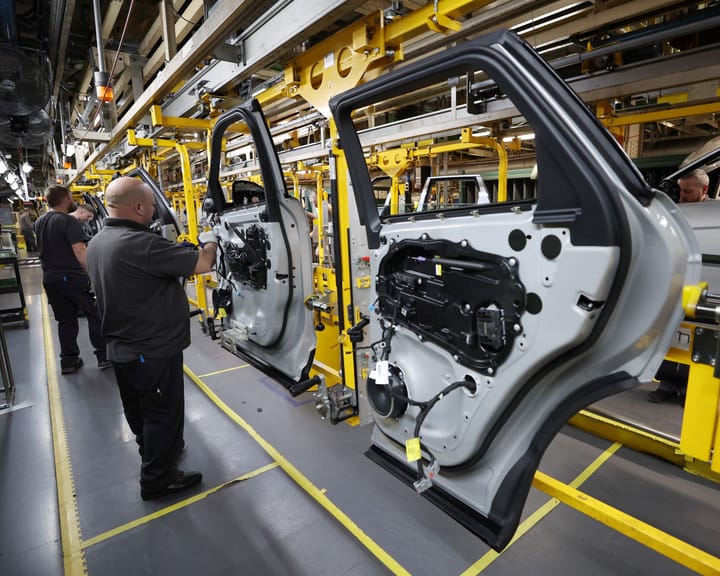
Jaguar Land Rover suppliers voice ‘everything is against us’ amid cutbacks
David Roberts, chair of Coventry-based Evtec, says the outlook for Britain’s automotive sector is grim, with “everything against us.” Evtec is a tier 1 supplier to Jaguar Land Rover, which this week announced 4,000 job cuts over two years despite chancellor John Healey’s attempt to talk

Europe’s fighter jet plans in disarray: what comes next?
When former ECB president and Italian PM Mario Draghi urged Europe to catch up economically with the US and China, defence collaboration was prescribed. No more should each nation build independent boats, tanks or jets; allies should share costs and technologies.
Europe stumbled at the first hurdle. German Chancellor Friedrich

John Healey supports growth but insists Labour must be truthful about spending
John Healey has stated that his primary goal as chancellor will be to boost economic growth, while acknowledging that Labour must be straightforward about controlling public spending at next month's budget.
In his first major address since assuming the role in July, Healey said the leading focus of