
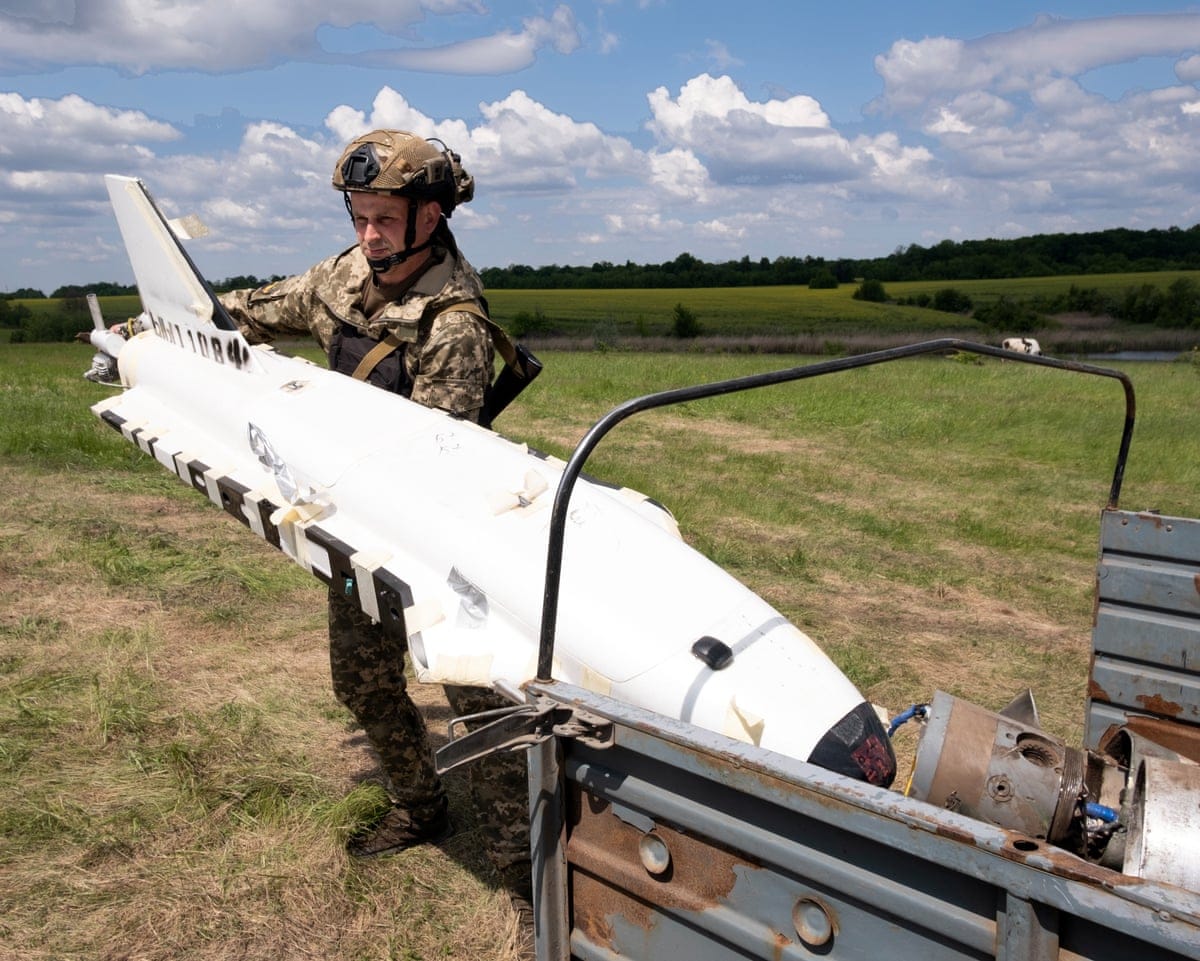
In a field near the eastern Ukrainian city of Sumy, Mykola Mondrayev, 55, clears debris from a downed Russian drone. Nearby, a pickup truck fitted with a gun stands as the only defense against the unmanned aerial threats.
Three days a week, Mondrayev serves in a local defense unit, while the rest of the week he tends to his fields.
His farm has so far avoided direct drone strikes, but even though it lies over 30 kilometers (19 miles) from the frontlines, he remains uneasy about the possibility.
“The Russians aren’t just attacking military targets. They’re hitting farms too. Agriculture is central to Ukrainian life, and that’s exactly what they aim to destroy,” he says.
Beyond Sumy, the rural way of life faces severe disruption from the myriad challenges brought by war. A quarter of the country’s farmland remains under Russian control. Fields are littered with mines and unexploded shells. Many farmers and laborers now balance agricultural work with military duties.
Before the full-scale invasion, agriculture was among Ukraine’s fastest-growing sectors, accounting for 10.9% of GDP and 17% of employment in 2021. The conflict has devastated this vital industry.
Near the frontlines, farmers are barred from working their land due to military restrictions, while those farther back have seen fields repurposed for fortifications.
Less visible challenges also loom. Rural depopulation had already been shrinking the agricultural workforce before the war. Conscription has worsened the shortage, with small farms, ineligible for exemptions, suffering the most.
“The past three years have been devastating,” says Oleh Khomenko of the Ukrainian Agribusiness Club. “The World Bank estimates losses at around $100 billion (£74 billion), including damage to grain storage, farmland, and production facilities—not to mention the human toll, from lost labor.”
While some farmworkers receive exemptions, the labor shortage has grown to 30%, up from 10% before the war. “Every farmer tells us the same story: a lack of tractor drivers and processing plant workers,” says Khomenko. “And with 25% of land occupied, those who lose their land lose their livelihoods—relocation isn’t an option.”
In frontline regions like Kharkiv and Sumy, farming has grown riskier. Larger operations now require security escorts equipped with drone-jamming technology to protect workers in the fields.
For Mykola Panasenko, the dangers became tragically clear last year when his barn and office in Sumy were struck by drones twice in a week.
Read next

Bolivia Probes Ex-President Evo Morales for Suspected Involvement in 2009 Killings
The Bolivian attorney general has initiated an investigation into former leftist president Evo Morales, citing allegations of his involvement in the murder and torture of European nationals in 2009.
In 2009, police conducted a raid on a Santa Cruz hotel, resulting in the deaths of Eduardo Rózsa Flores, a Bolivian-
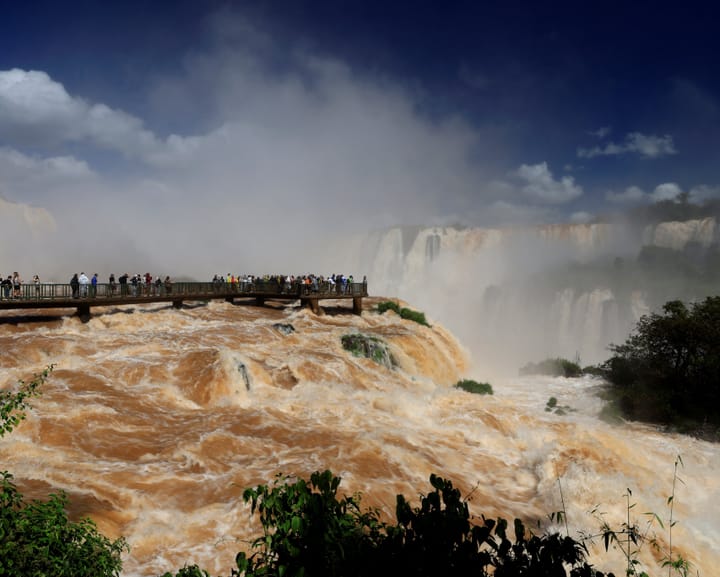
Argentina Closes Iguazu Falls Temporarily Due to El Niño-Induced Water Surge
Heavy rainfall driven by a potent El Niño weather pattern temporarily led Argentinian authorities to close tourist access to the renowned Iguazu Falls. The closure occurred due to concerns that rising water levels might cause the river to overflow its banks.
On Monday, national park officials implemented this precautionary measure

Mysterious Drones Strike Two Vessels Near Bulgarian Coast – Europe Live
Morning Update: Two Ships Targeted by Drones Off Bulgarian Coast
This morning, two ships in the Black Sea near Bulgaria were struck by drones of unknown origin. The attack led to the sinking of one vessel and initiated emergency rescue operations, as reported by Bulgarian Prime Minister Rumen Radev. Rescue