
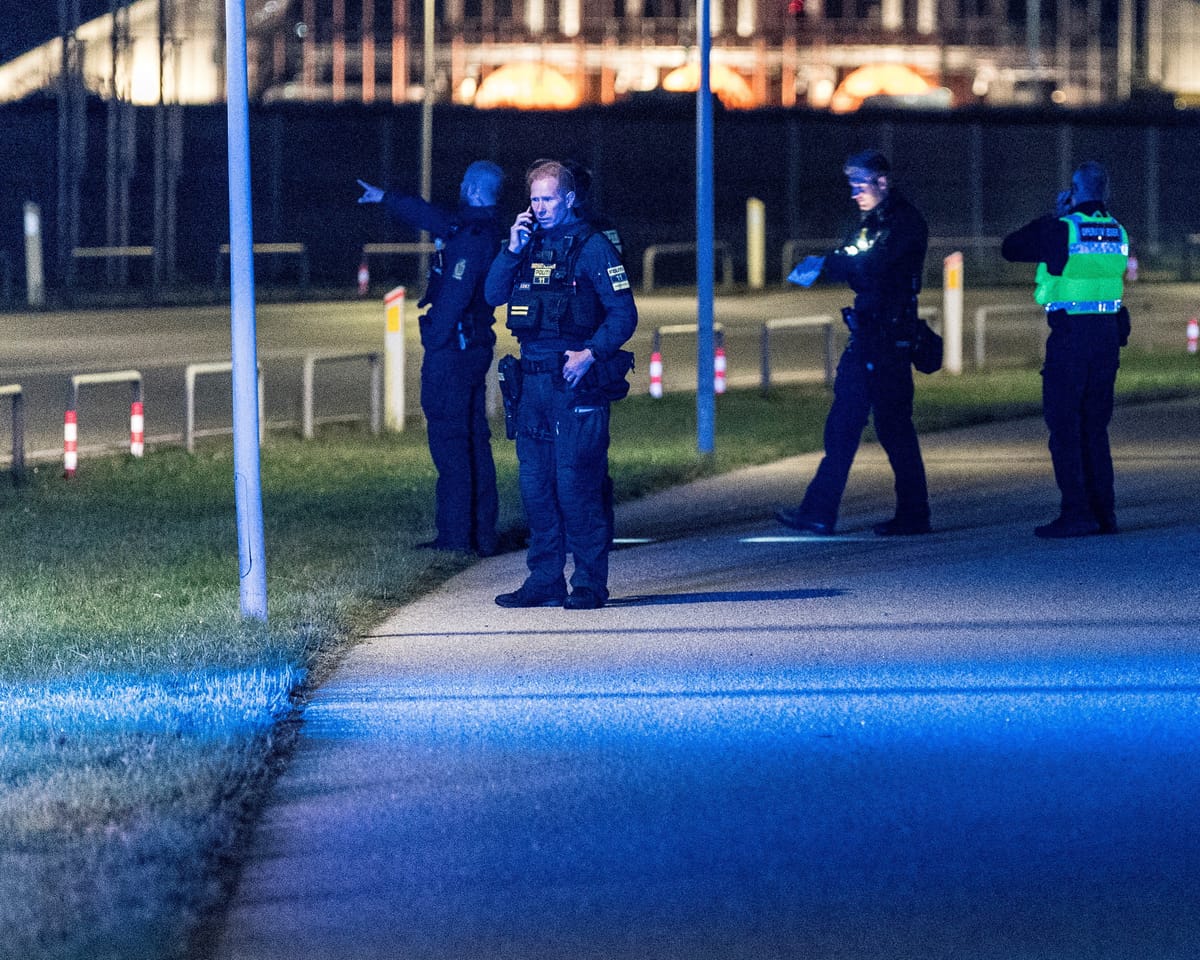
When Munich airport shut down on 2 October following reports of a possible drone intrusion, numerous flights were halted, leaving many travelers stranded just before a national holiday and Oktoberfest.
A week earlier, Copenhagen and Aalborg airports were also closed after unidentified aerial devices were spotted in Danish airspace. Since a group of Russian drones reportedly breached Polish airspace last month—three of which were intercepted—similar occurrences have been noted in Germany, the Baltic states, and Nordic nations, often near critical infrastructure and military sites.
For many in Europe, Russia’s suspected covert tactics have become uncomfortably tangible, extending to urban areas far from the conflict in Ukraine—regions previously untouched by the war’s repercussions.
Growing unease has spread, particularly near Nato’s boundaries, as noted by reports earlier this week. Mysterious red lights off Norway’s western coast have fueled public alarm, echoing past fears caused by Soviet “ghost planes” in the 1930s and later UFO sightings.
Though Moscow denies involvement, suspicions persist that the Kremlin is waging an undercover campaign of disruption across Europe. Fiona Hill, a former US adviser on Russia, warned months ago that the country was “already at war with Europe.” Recent drone activity suggests an escalation, with bolder methods surfacing. There are claims, for instance, that illicit oil vessels might serve as drone launch sites—some linked to the Danish airport closures.
Navigating the grey zone
How can officials reassure the public when responses remain uncertain? Following the Munich incident, Bavaria’s leader called for drones to be shot down immediately. Poland’s government has taken a similarly firm stance.
But intercepting aerial intruders isn’t always legal—or wise. Nato members face a delicate balancing act when addressing ambiguous violations that stop short of direct military confrontation, often termed the “grey zone.”
The origin of these actions is frequently unclear: a rogue state or isolated actors? Escalation with a nuclear-armed power must be avoided, yet passivity is equally unsustainable. Surveys indicate most Europeans expect united leadership against security risks.
Instead, recent events have deepened divisions. As some analysts warn, perceived vulnerability could encourage further provocations.
One proposal under discussion involves a coordinated aerial defense system, aiming to bolster detection and deterrence efforts.
Read next
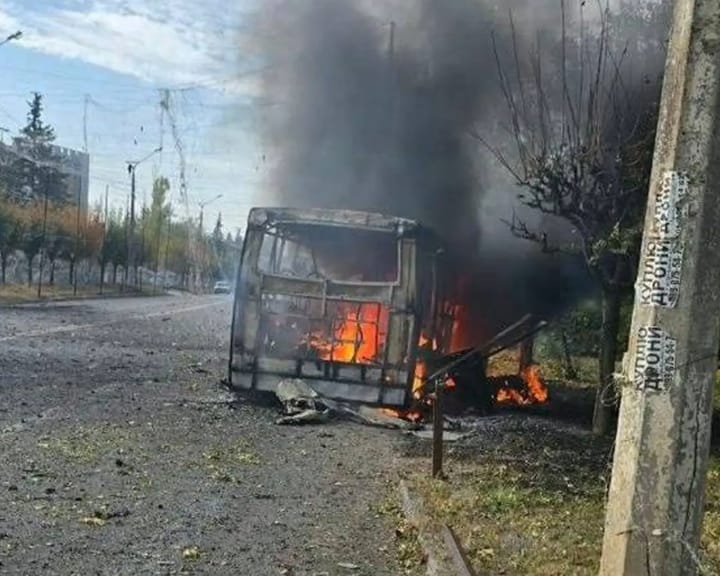
Russian Assault on Buses Near Ukraine Border Results in 30 Deaths
Thirty people have been killed and eighteen injured following an attack by Russia on two passenger buses in Kramatorsk, near the frontline in eastern Ukraine, according to local authorities.
The Donetsk regional prosecutor's office reported that the death toll from the morning attack on the buses had reached
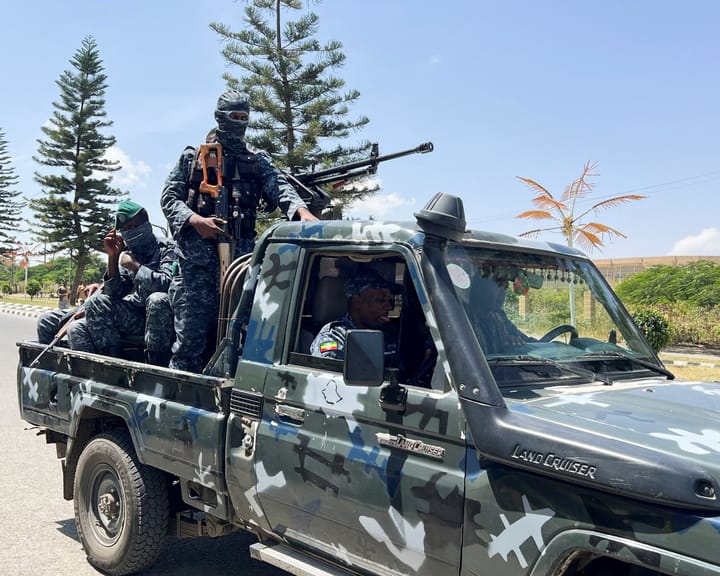
Ethiopia Conducts Drone Strike on Eritrean Forces in Tigray Region
Eritrean forces reportedly crossed into Ethiopia's Tigray region and faced drone attacks from Ethiopian government forces, raising concerns about the potential for a broader regional conflict between the two neighboring countries.
Military vehicles transporting soldiers crossed the southern border of Eritrea into Tigray on Wednesday, reaching Adigrat, approximately

Israel Advances Film Resembling NAZA Documentary
The Israeli government is promoting an online film project designed to counter the findings of the award-winning documentary NAZA, which details Israel’s mass killings of civilians in Gaza. NAZA, directed by Oscar-winning filmmakers Yuval Abraham and Rachel Szor, is currently in cinemas and will be shown in