

Ryanair Increases Staff Bonuses for Enforcing Cabin Baggage Rules
Ryanair will raise the bonus payments given to airport staff for identifying carry-on luggage that exceeds size limits, according to the airline’s chief executive. Employees will now receive €2.50 for every non-compliant bag removed from passengers, up from the previous rate of €1.50.
Passengers whose cabin bags do not meet the airline’s size restrictions face fees of up to £75, and their luggage is placed in the aircraft’s hold. Some travelers have criticized these charges, particularly after learning that staff members receive incentives for flagging oversized bags.
Michael O’Leary, Ryanair’s CEO, defended the policy, stating that the increased bonuses would further discourage passengers from bringing excessively large bags on board. “We’re raising the bonus from €1.50 to €2.50, likely starting in November this year,” O’Leary said. “I make no apology for this at all.”
Additionally, the airline will remove the previous €80 monthly cap on bonuses, allowing staff to earn more if they catch more non-compliant bags. “We should encourage our ground-handling teams to prevent people from bypassing the rules,” O’Leary added.
Ryanair permits one free small bag, fitting under the seat, with maximum dimensions of 40x30x20cm. A second slightly larger bag, up to 55x40x20cm, can be purchased for an additional fee, which is usually lower than the cost of checking a bag into the hold.
Earlier this year, reports revealed that Swissport staff handling easyJet flights were paid £1.20 per bag for enforcing similar luggage restrictions.
O’Leary dismissed concerns over excessive penalties for minor infractions. “I frequently observe boarding procedures in Dublin, and issues with small bags are rare,” he said. “If a bag’s only issue is a slightly protruding zipper, it’s allowed on board—no disputes.”
However, he expressed frustration with passengers attempting to bring oversized backpacks on board. “It’s baffling how many people believe their large rucksacks will go unnoticed. They won’t. If it doesn’t fit, you won’t board without paying.”
O’Leary noted that fee collections have decreased as more passengers comply with the rules. “The vast majority—99.9%—follow the guidelines. Less than 0.1% pay the gate fee, though that still amounts to roughly 200,000 passengers yearly,” he said.
He concluded: “We operate an efficient, low-cost airline without compromising on rules. Compliance is key—follow them, and there’s no problem.”
Read next
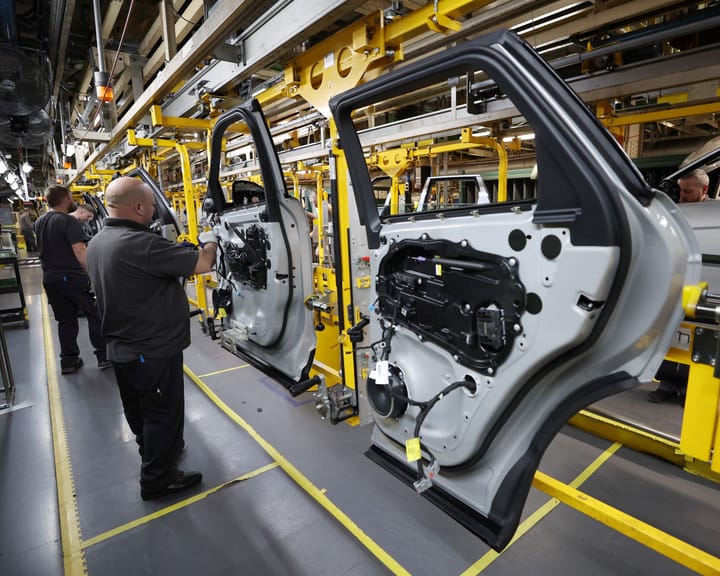
Jaguar Land Rover suppliers voice ‘everything is against us’ amid cutbacks
David Roberts, chair of Coventry-based Evtec, says the outlook for Britain’s automotive sector is grim, with “everything against us.” Evtec is a tier 1 supplier to Jaguar Land Rover, which this week announced 4,000 job cuts over two years despite chancellor John Healey’s attempt to talk
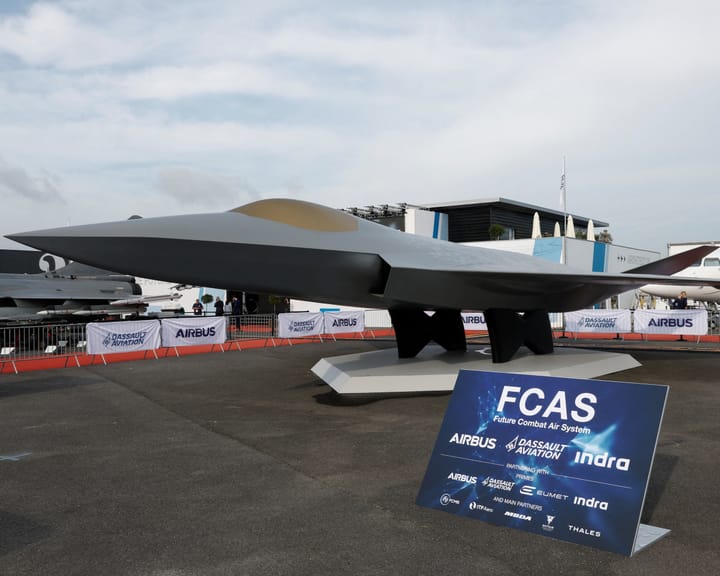
Europe’s fighter jet plans in disarray: what comes next?
When former ECB president and Italian PM Mario Draghi urged Europe to catch up economically with the US and China, defence collaboration was prescribed. No more should each nation build independent boats, tanks or jets; allies should share costs and technologies.
Europe stumbled at the first hurdle. German Chancellor Friedrich
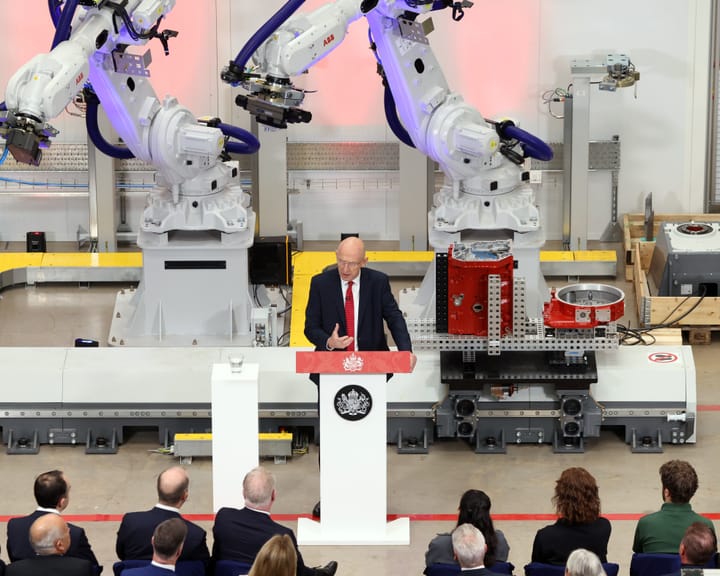
John Healey supports growth but insists Labour must be truthful about spending
John Healey has stated that his primary goal as chancellor will be to boost economic growth, while acknowledging that Labour must be straightforward about controlling public spending at next month's budget.
In his first major address since assuming the role in July, Healey said the leading focus of