
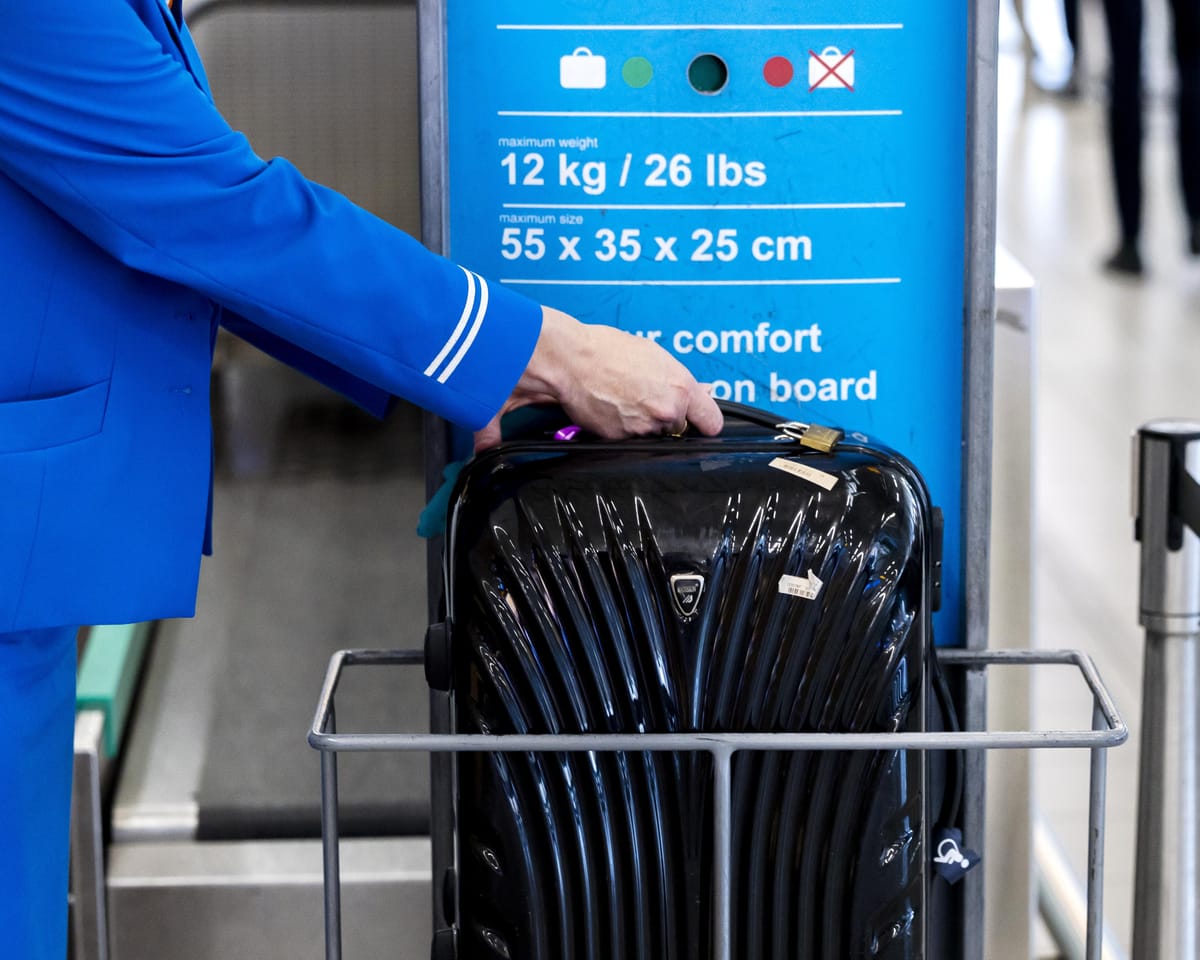
Ryanair is reviewing the possibility of raising incentives for employees who identify passengers carrying oversized luggage, according to its CEO.
The low-cost airline currently pays workers roughly €1.50 for stopping customers from taking improperly sized bags on board.
Reports from the Sunday Times, based on a former worker’s payslip, state that the monthly bonus for staff is capped at around €80 per person.
Travelers who exceed their allowed baggage size face charges of up to €75.
Michael O’Leary, Ryanair’s chief executive, noted that over 99.9% of passengers follow baggage regulations, with airport staff using measuring devices to enforce the rules.
“We’re happy to reward our workers with a portion of the excess baggage fees, though we expect these penalties to decrease in the next couple of years,” he said.
“The current rate is about €1.50 per bag—we’re considering raising it to help phase out the issue.”
Ryanair’s standard ticket includes a single small carry-on bag, limited to 40x20x25cm and 10kg.
Additional or larger luggage incurs extra fees.
Recent reports revealed that Swissport, an aviation handling firm, offers its workers £1.20 for each item intercepted under a similar incentive program.
Meanwhile, the European Parliament has proposed requiring airlines to allow one free personal item and a small hand luggage piece onboard. However, O’Leary dismissed the idea, stating it would not pass into law due to cabin space constraints.
Speaking to CuriosityNews, he explained, “Most of our flights are full—half the passengers can bring two bags, while the other half only get one because there’s no more room. We’re already managing a high baggage volume, which is why we’re strict about enforcing size limits.”
Separately, the airline is watching ongoing EU-US trade negotiations, hoping commercial aircraft will remain exempt from potential tariffs under a 1979 agreement.
Ryanair’s CFO, Neil Sorahan, expressed cautious optimism, saying, “We were confident the exemption would hold until talk of 30% tariffs arose recently. Still, I think Europe made the right call by not retaliating immediately.”
Discussions continue between the EU and the US ahead of the 1 August deadline, when proposed 30% tariffs on EU exports could take effect.
EU Trade Commissioner Maroš Šefčovič warned that such tariffs would severely disrupt transatlantic trade, currently worth €4.4 billion daily, potentially making it “almost impossible to maintain” current operations.
Some carriers have cautioned they may struggle to operate if the tariffs are imposed.
Read next
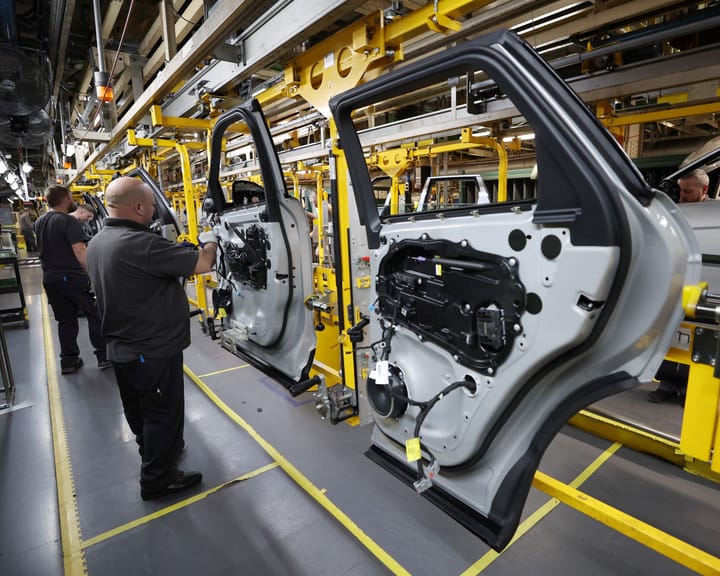
Jaguar Land Rover suppliers voice ‘everything is against us’ amid cutbacks
David Roberts, chair of Coventry-based Evtec, says the outlook for Britain’s automotive sector is grim, with “everything against us.” Evtec is a tier 1 supplier to Jaguar Land Rover, which this week announced 4,000 job cuts over two years despite chancellor John Healey’s attempt to talk
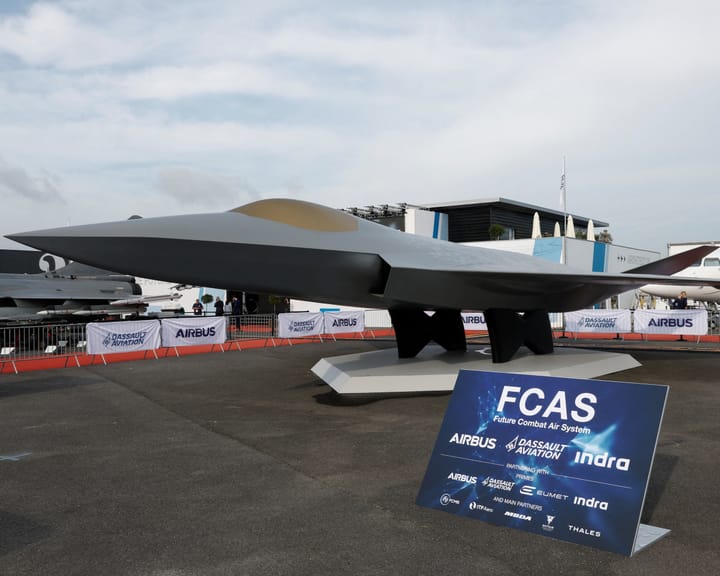
Europe’s fighter jet plans in disarray: what comes next?
When former ECB president and Italian PM Mario Draghi urged Europe to catch up economically with the US and China, defence collaboration was prescribed. No more should each nation build independent boats, tanks or jets; allies should share costs and technologies.
Europe stumbled at the first hurdle. German Chancellor Friedrich
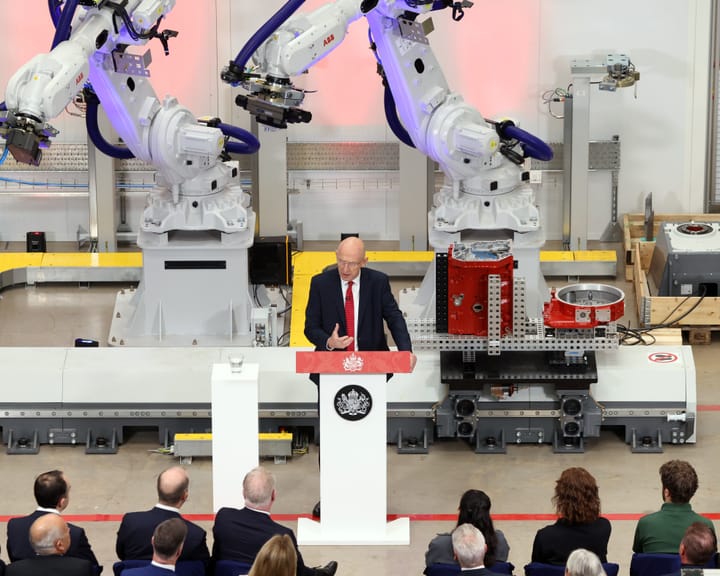
John Healey supports growth but insists Labour must be truthful about spending
John Healey has stated that his primary goal as chancellor will be to boost economic growth, while acknowledging that Labour must be straightforward about controlling public spending at next month's budget.
In his first major address since assuming the role in July, Healey said the leading focus of