
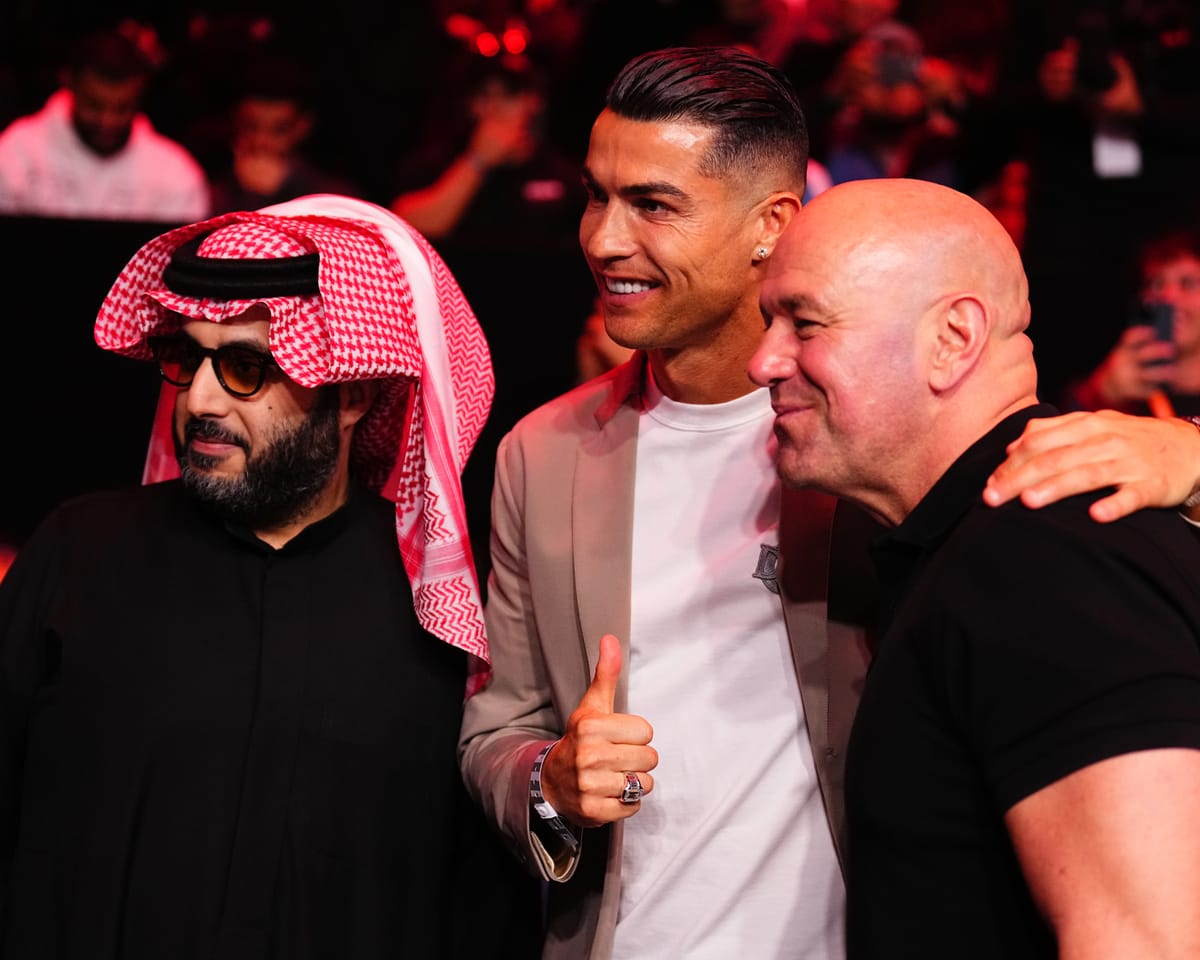
When Ari Emanuel—the influential Hollywood executive and CEO of TKO Holdings Group, overseeing both the UFC and WWE—appeared on the *Pat McAfee Show* in February 2025, he made vague comments about the future of boxing. Known for being guarded, Emanuel suggested, "Who knows what's going to happen with the Ali Act"—referring to the Muhammad Ali Boxing Reform Act, legislation created to safeguard boxers' rights. Afterward, speculation grew that TKO was seeking changes to the law to accommodate its new boxing collaboration with Saudi Arabia.
Last week, those reports were confirmed when U.S. representatives Brian Jack, a Republican from Georgia, and Sharice Davids, a Democrat from Kansas, introduced the Muhammad Ali American Boxing Revival Act in Congress.
The proposal is described as an update to federal boxing regulations, amending the 1996 Professional Boxing Safety Act and offering new structures for governing bodies in the sport.
"This bill gives boxers more opportunities, improved compensation, and stronger safety measures," Jack stated. "Boxing is the only sport directly regulated by Congress, and outdated regulations have limited growth. This legislation establishes guidelines to help the sport evolve."
The "limited growth" Jack referenced concerns TKO's partnership with Sela, a subsidiary of Saudi Arabia's Public Investment Fund (PIF), and Turki al-Sheikh, a key figure in Saudi entertainment and adviser to Crown Prince Mohammed bin Salman. Their new venture, Zuffa Boxing, is set to launch on 13 September 2025 with a high-profile fight between Saul 'Canelo' Álvarez and Terence Crawford, followed by further events in 2026.
Leveraging Saudi financial backing, TKO pushed for provisions in the bill enabling new governing bodies to compete with established groups like the WBO and WBC. These proposed alternatives, called Unified Boxing Organizations (UBOs), align with Zuffa Boxing's intended structure.
Though presented as a step toward modernization, Zuffa Boxing allows Saudi Arabia to create a separate boxing system with full control over rankings and titles, potentially sidelining current regulatory bodies and reshaping the industry.
"This bill raises serious concerns for boxers," said a representative from a major boxers' association. "It could weaken the sport's existing framework."
The Saudi-led venture has faced skepticism for its rapid expansion into global sports, with critics arguing it uses high-profile events to enhance its international image. The Zuffa Boxing initiative appears to follow that pattern.
If passed, the legislation would mark a significant shift, giving TKO and Saudi Arabia substantial influence over boxing's future while reducing the role of longstanding organizations. As discussions continue, the sport faces a potential transformation.
Read next
"Guardian Sport Weekend: Lions' Third Test, England vs. India, Women’s Open Action"
Rugby Union
11am Australia v British & Irish Lions live
The Lions enter the third and final Test against the Wallabies with a chance to secure a historic series sweep, an achievement not seen in decades. Lee Calvert will provide updates throughout. No Lions team has remained undefeated since Willie
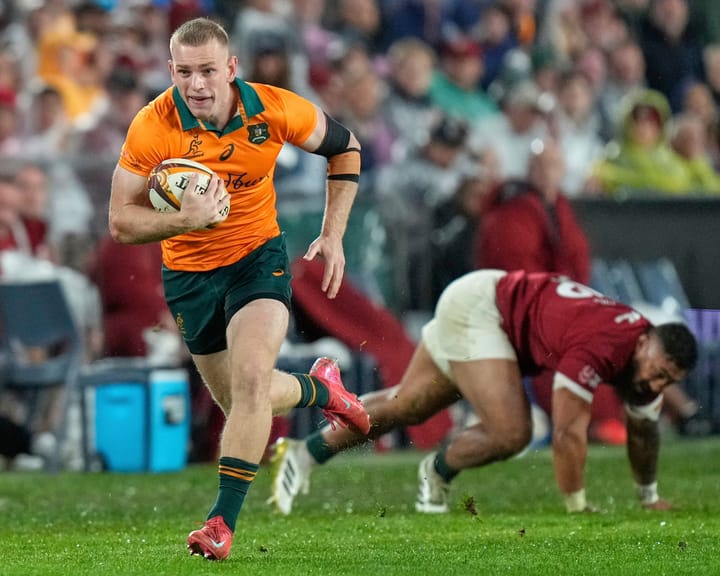
Wallabies crush Lions' clean sweep bid in storm-lashed Sydney clash
Lions Fall Short as Wallabies Secure Series Finale
The hopes of a dominant tour for the British & Irish Lions came to an end as they suffered their first defeat in Australia on a rain-soaked evening in Sydney. The home side rose to the occasion, overcoming challenging weather and a
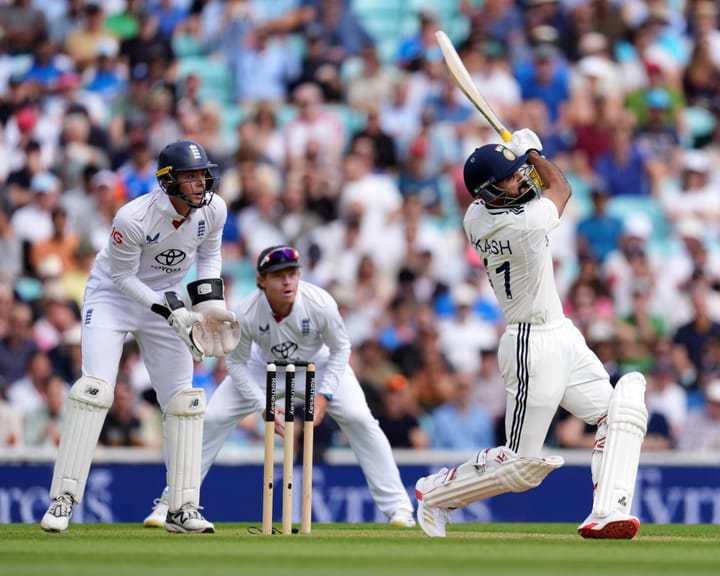
"Live: England vs India in fifth men's cricket Test, day three"
39th over: India 155-2 (Jaiswal 80, Akash Deep 51) Overton moves away from short-pitched deliveries, conceding just a single.
Guy Hornsby observes, "England will regret those dropped catches as the runs pile up, especially once Jaiswal reaches his century. Woakes’ absence was significant, though England managed well initially. Now,