

The sense that Scotland may finally have mastered the art of winning keeps growing. Producing attractive rugby on occasion has never been an issue. Securing substantial victories, however, remains more elusive.
One of the most engaging aspects of the remarkable triumph over France – and there were, to put it mildly, several – was observing Gregor Townsend’s unflappable demeanor, as if the result were routine. Seven tries and 50 points against the hot favourites for the championship, treated as ordinary work.
Townsend understands better than most how swiftly optimism can give way to disappointment. He also recognises that Scotland’s upcoming challenge in the Six Nations has historically been their toughest: a match against Ireland in Dublin.
Scotland’s last victory in Dublin came in 2010, at Croke Park, and they have not won on the Lansdowne Road ground since 1998, back in the Five Nations era. Frequently, a win in Dublin has arrived shortly after Scotland’s most recent surge of confidence, often after a notable triumph over a strong opponent, only to be met with a harsh reality check on Irish soil.
“We may have been overly fixated on Ireland in the past,” Townsend remarked. “They employ many patterns and set‑piece moves. Perhaps we gave them too much attention. Now we will concentrate on our own strengths. Victory offers clues. The factors that carried us past France, England and Wales are what we intend to develop further.”
Scotland and France enter the final round tied on 16 points, France holding a superior points differential. Consequently, Scotland must realistically win in Dublin on Saturday and rely on England’s result in the Paris finale. Should Scotland secure a bonus‑point victory, France would still need a maximum‑point win over England to stay ahead.
That makes the four tries (worth 26 points) France added in the final fifteen minutes especially painful. Leading 47‑14 with fifteen minutes left, Scotland likely thought the match was settled. Yet the game shifted to a seven‑aside style, a format in which France excel. Their fourth bonus‑point try, scored by Thomas Ramos with five minutes remaining, reclaimed momentum in the championship race. Two further tries in the closing moments, following Finn Russell’s 77th‑minute penalty that took Scotland to 50 points, widened the points differential by another 28 in France’s favour, leaving the title’s fate in French hands.
Nevertheless, there is no point in nitpicking. Saturday’s display under the Edinburgh sun was rugby of the highest calibre. It did not feel alien; this Scottish generation has produced similar performances repeatedly, albeit rarely in a sustained run. A fast‑paced, all‑field approach is difficult to maintain, but when it clicks, Scotland become virtually unstoppable.
Townsend is accustomed to the recurring questions surrounding his spell in charge.
Read next

Lewis Hamilton says Ferrari will challenge Mercedes for the 2026 F1 championship.
Lewis Hamilton said he is enthusiastic and confident that Ferrari can challenge Mercedes for the world title after the new Formula One season began in Australia on Sunday.
The Melbourne Grand Prix was won by Mercedes driver George Russell, with teammate Kimi Antonelli finishing second, while Ferrari took third and
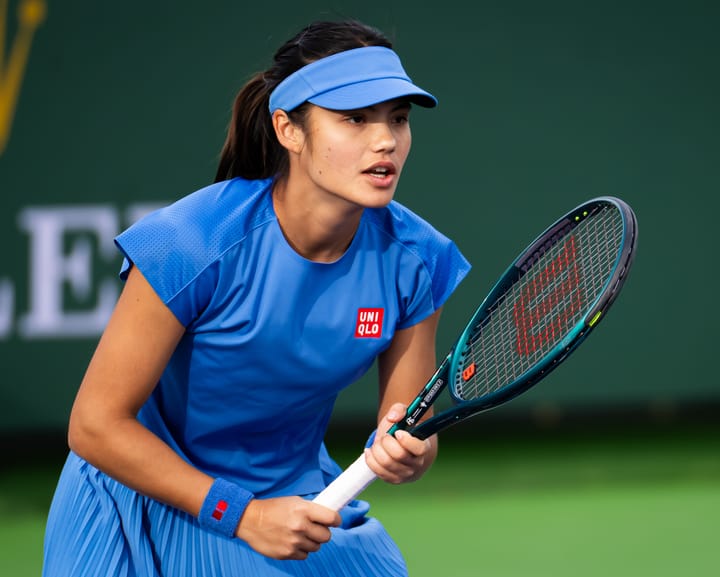
Raducanu falls in 52 minutes to No. 6 seed Anisimova in Indian Wells third round
Emma Raducanu endured a swift 52‑minute loss to Amanda Anisimova in the third round at Indian Wells. The British No. 1 was far from her best, falling 6‑1 6‑1 to the American world No. 6.
Seeded 25, Raducanu appeared to be hampered by a physical problem, repeatedly
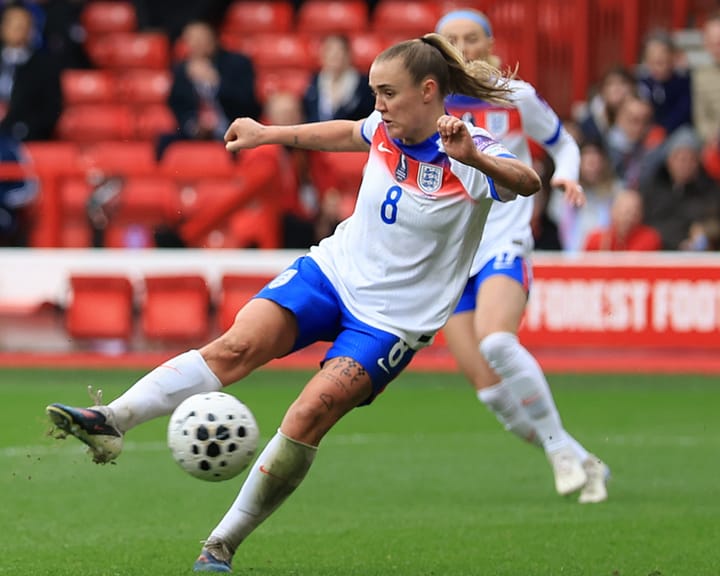
England win both Women's World Cup qualifiers, revealing key takeaways.
The matches were low‑key, yet securing six points from six confirmed England’s success in their opening two World Cup qualifiers. While a larger tally would have improved their goal difference, the wins are crucial for England’s aim to lead the group ahead of the upcoming clash with